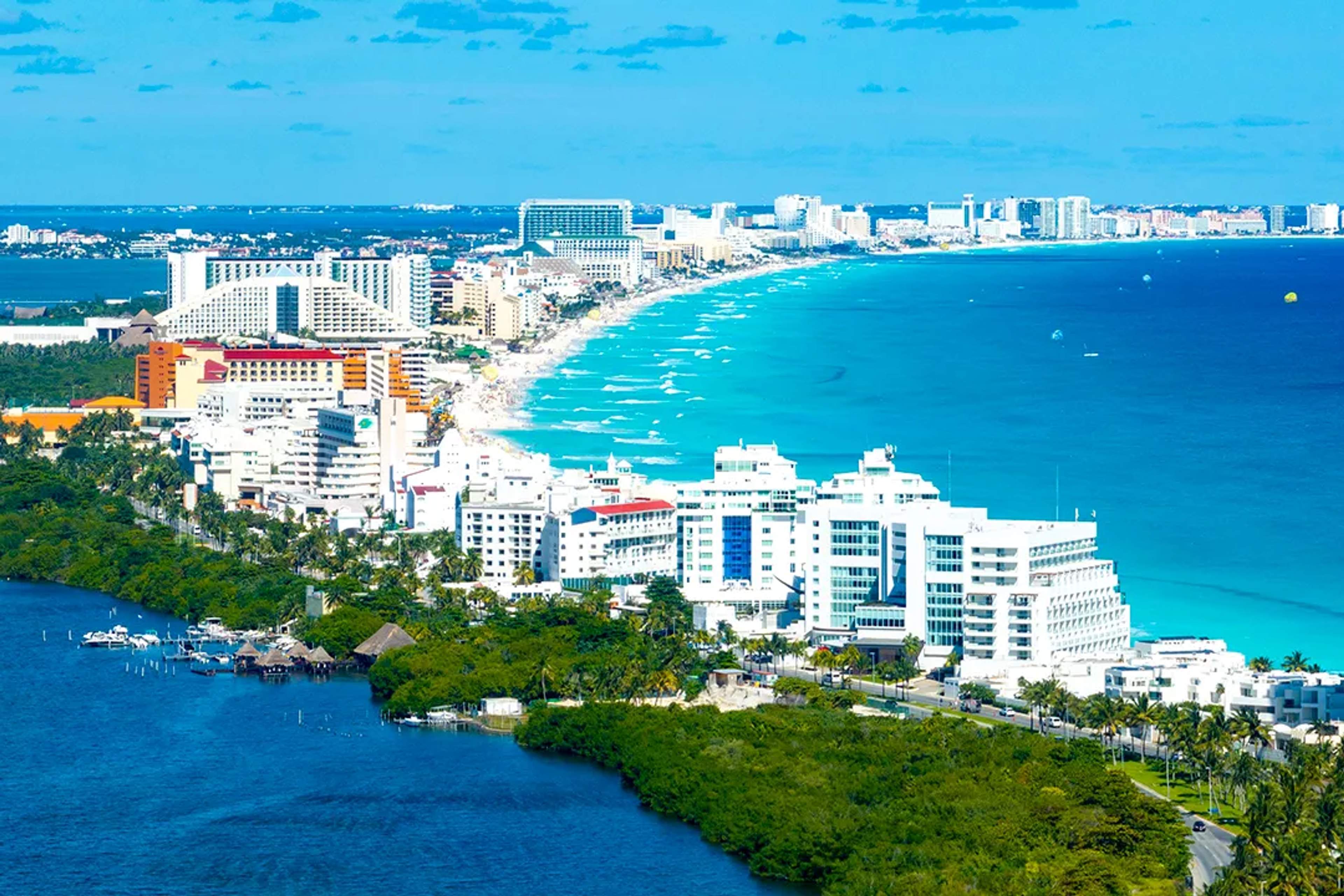
Cancun is safe for tourists in 2026. The U.S. State Department maintains a Level 2 advisory for Quintana Roo—the same level assigned to France, Germany, and the United Kingdom—and millions of visitors enjoy safe vacations each year with standard precautions.
From the UNESCO World Heritage site of Chichen Itza to the stunning Mesoamerican Barrier Reef, Cancun's turquoise waters, immersive Mayan culture, and luxurious hotels attract travelers who consistently report feeling very safe in the Hotel Zone and established tourist areas.
Cancun Safety in 2026: Current Conditions
The Level 2 advisory ("Exercise Increased Caution") places Cancun among Mexico's safer regions, where many other states carry Level 3 or Level 4 warnings. The Mexican government has implemented comprehensive security measures throughout Cancun.
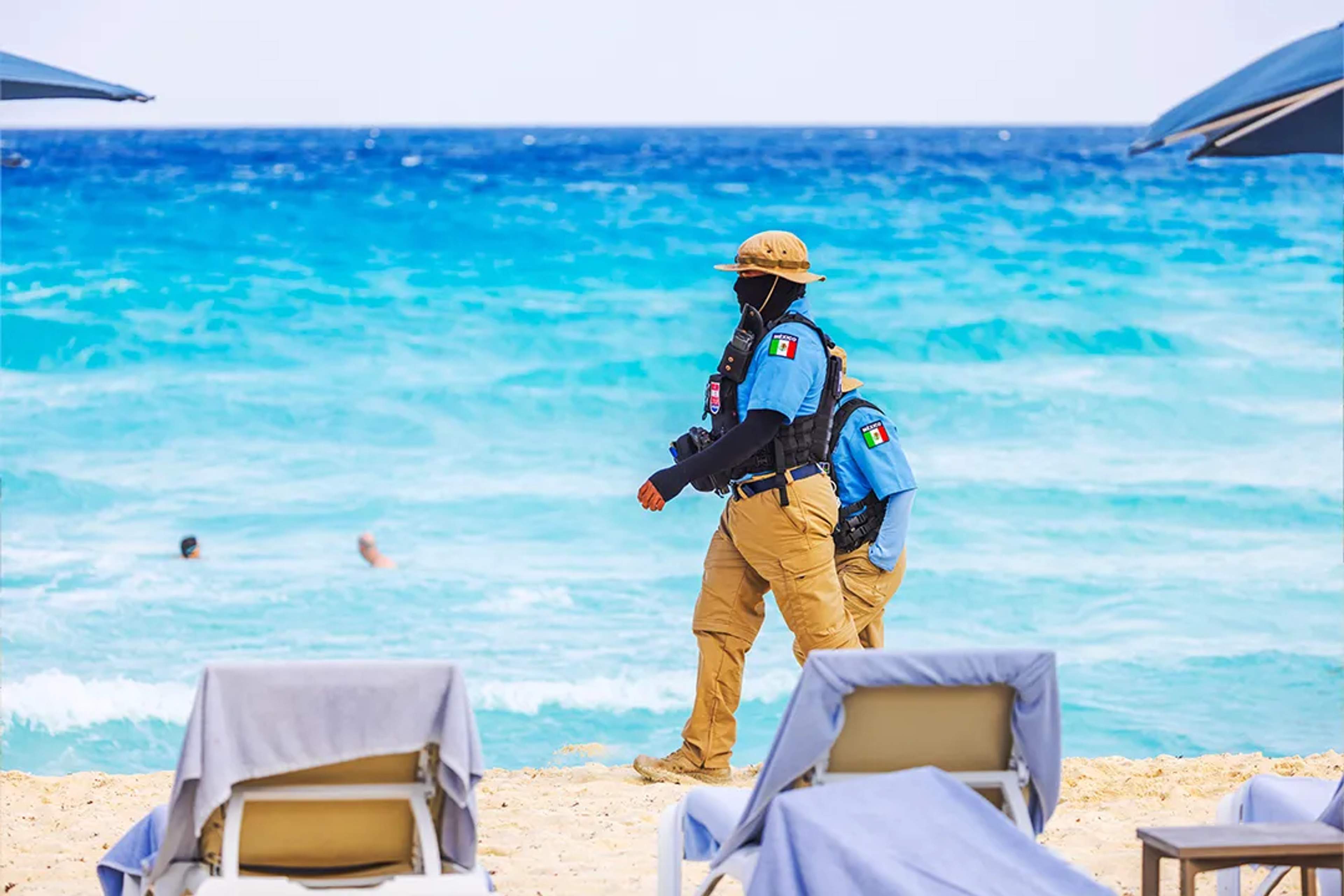
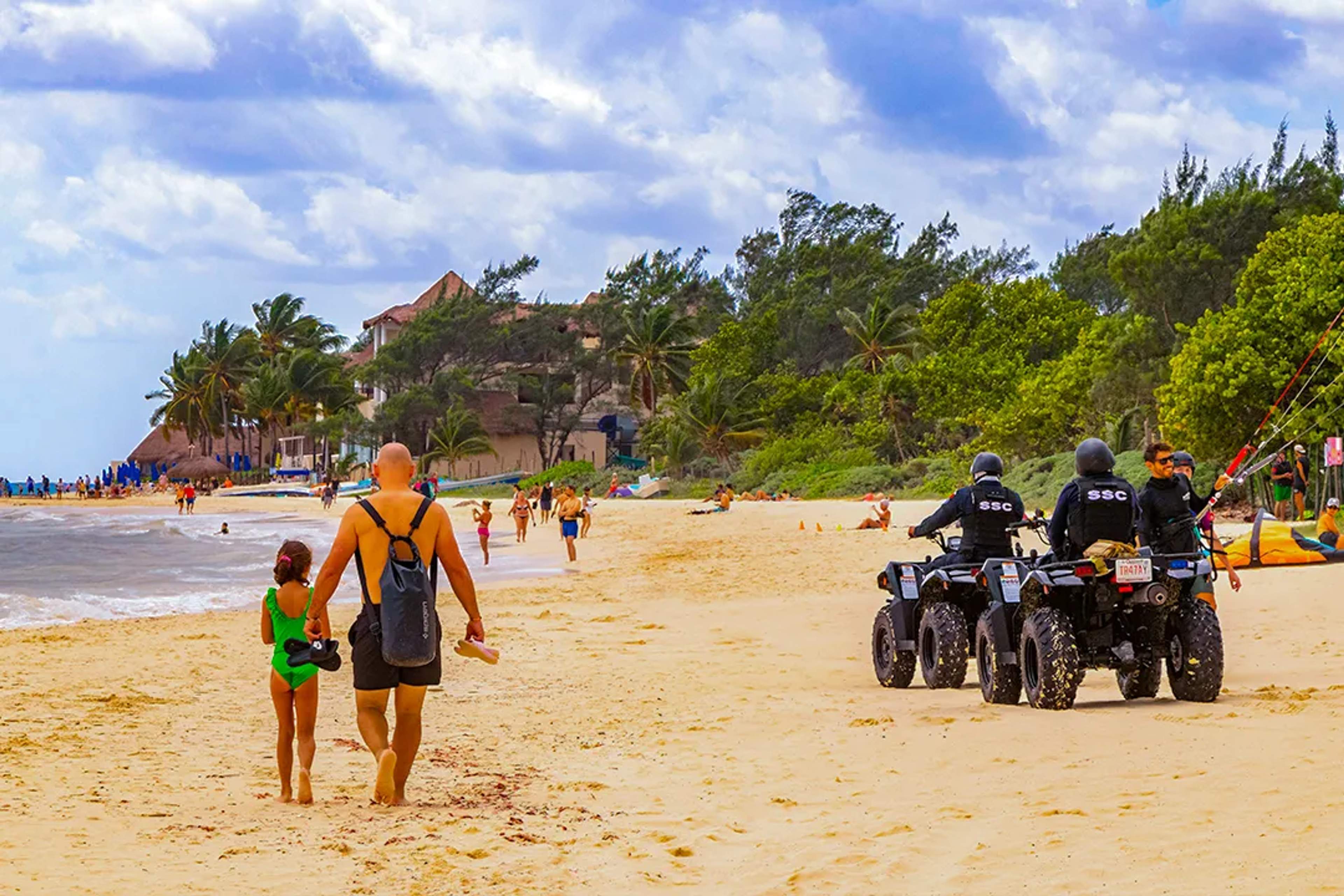
Authorities deployed over 7,000 security officers across the region, with officials reporting safe conditions. The city added 70 new patrol vehicles to its security fleet, each outfitted with six cameras transmitting live feeds to the C5 monitoring center. A federal-state Tourist Security Battalion specifically monitors beaches and nightlife areas. In emergencies, dial 911 or contact the Cancun Tourist Police.
Is Cancun Dangerous?
No. Despite media coverage that sometimes sensationalizes Mexico travel, Cancun's Hotel Zone and tourist corridors maintain an excellent safety record. The Level 2 advisory—identical to advisories for popular European destinations like France, Germany, and the United Kingdom—reflects standard urban precautions rather than elevated danger.
Criminal incidents affecting tourists are rare and typically involve preventable situations like accepting rides from unlicensed drivers or carrying large amounts of cash. Millions of Americans visit Cancun annually without incidents.
Is the Cancun Hotel Zone Safe?
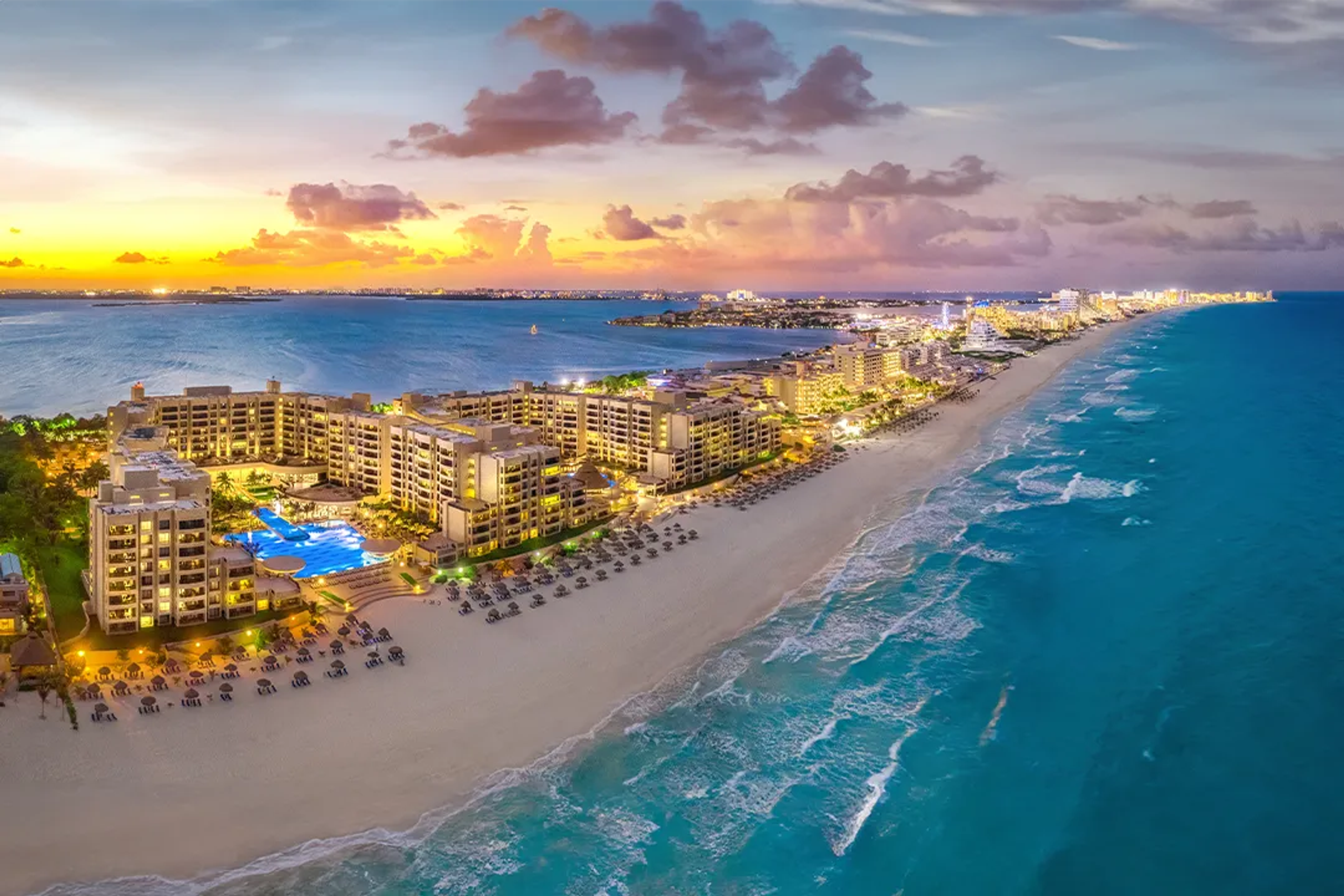
The Hotel Zone is heavily patrolled and has a strategic advantage: it can only be accessed via two main entry points from the mainland, creating a naturally controlled environment where most people you'll encounter are fellow tourists or tourism industry workers.
Recent travelers consistently describe feeling safer in Cancun than in their home cities, with many actively encouraging discovery beyond resort boundaries. The Marina area also maintains strong police presence.
Is Cancun Safe for Families?
Cancun welcomes families with kid-friendly beaches, resorts with children's programs, and manageable excursions. Playa Langosta and Playa Tortugas offer calmer waters than the open-ocean beaches, making them ideal for toddlers and young swimmers.
The Hotel Zone is walkable with children, and most resorts provide cribs and high chairs. Note that the minimum age for cenote tours is 6 years old, and stroller accessibility at archaeological sites is limited due to uneven terrain.
Car seats are not standard in tour vans—bring your own or request one in advance when booking. Guided family tours handle logistics like entrance fees, safety equipment, and air-conditioned transportation, removing stress for parents.
Is Cancun Safe for Solo Female Travelers?
Solo female travelers visit Cancun safely by following practical precautions: stay within the Hotel Zone at night, use app-based transportation and join group tours for day trips to remote sites. Group tours are also a practical way to meet other travelers while maintaining safety in numbers.
The controlled Hotel Zone environment and heavy tourist presence create a comfortable atmosphere for women traveling alone. Playa Delfines and the lagoon-side beaches tend to feel particularly relaxed for solo visitors during daytime hours.
Transportation Safety
Use official taxis from designated airport stands or app-based services like Uber and Cabify (both U.S. Embassy endorsed. Pre-book airport transfers for fixed pricing and verified credentials.
Booking excursions through established tour operators like Cancun Adventures eliminates the need to arrange separate transportation to remote sites like Chichen Itzá (2.5 hours from the Hotel Zone) or Tulum (1.5 hours)—tours include round-trip hotel pickup in air-conditioned vans with bilingual drivers.
Avoiding Scams in Cancun
Transportation scams include unlicensed drivers charging 300-500% above regulated rates or claiming broken credit card machines. Avoid hailing taxis on the street; use designated stands or ride-share apps.
Sales pressure tactics involve unsolicited representatives offering "free" transportation or vouchers in exchange for timeshare presentations that frequently last 4-6 hours with high-pressure closing techniques. Firmly decline all unsolicited offers.
Payment manipulation includes unauthorized currency exchange booths with hidden fees and credit card machines defaulting to USD at unfavorable rates. Always verify prices before accepting services and pay in pesos when possible.
Booking scams involve beach vendors collecting cash deposits for tours that never materialize. Book through established operators that include hotel pickup, bilingual guides, and all entrance fees in the booking price—this removes the variables that make travelers vulnerable.
Consider enrolling in the Smart Traveler Enrollment Program and downloading the Guest Assist mobile app for 24/7 tourist assistance.
Beach and Water Safety
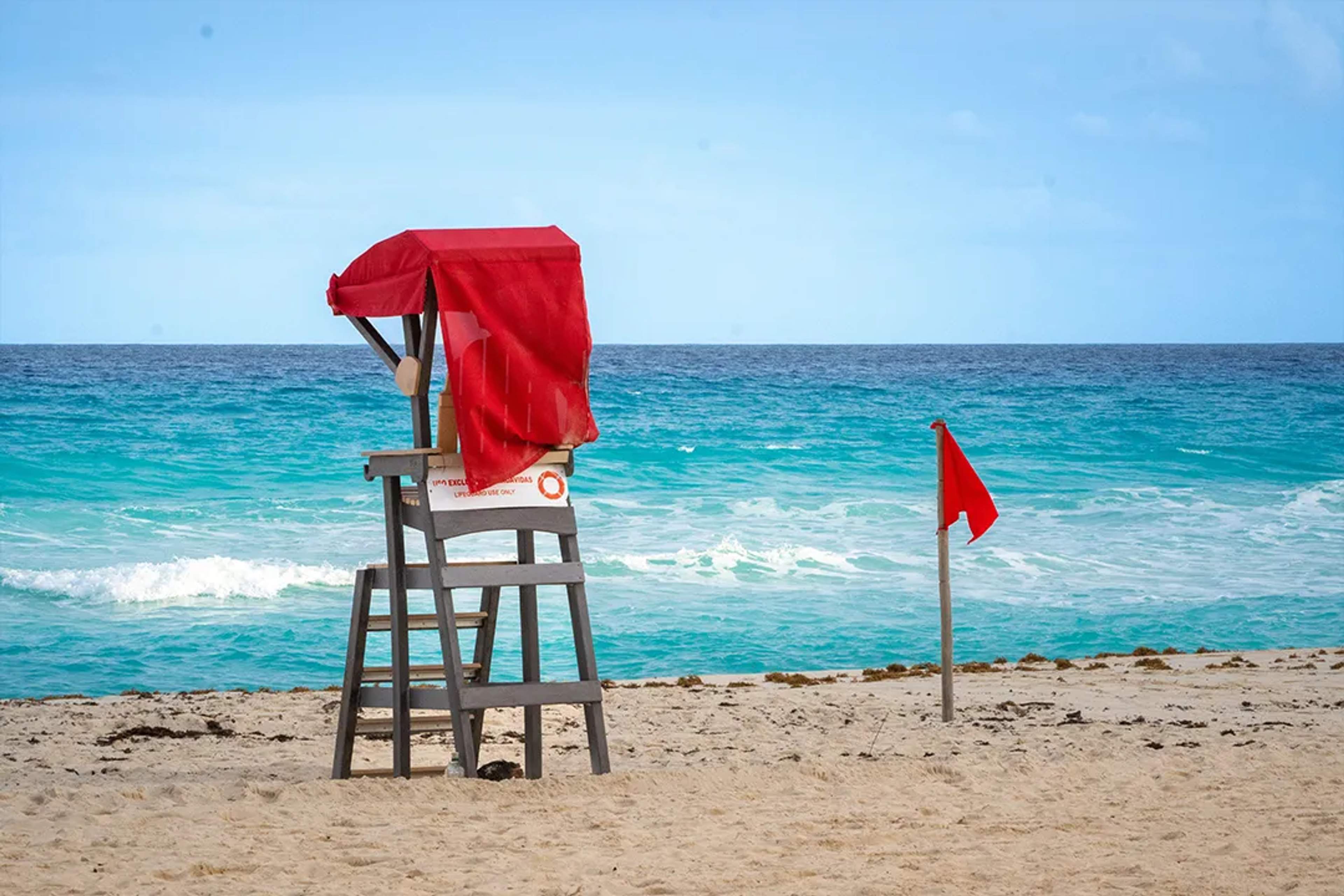
Cancun beaches use a colored flag warning system: green indicates calm conditions, yellow means moderate waves and currents, red signals dangerous conditions where swimming is discouraged, and black means the beach is closed.
Swim only at lifeguarded beaches and never alone. Rip currents are the primary ocean hazard—if caught, swim parallel to shore rather than fighting the current.
Guided snorkeling tours provide life jackets and instruction for beginners, making underwater exploration accessible even for inexperienced swimmers.
Are Cenotes Safe?
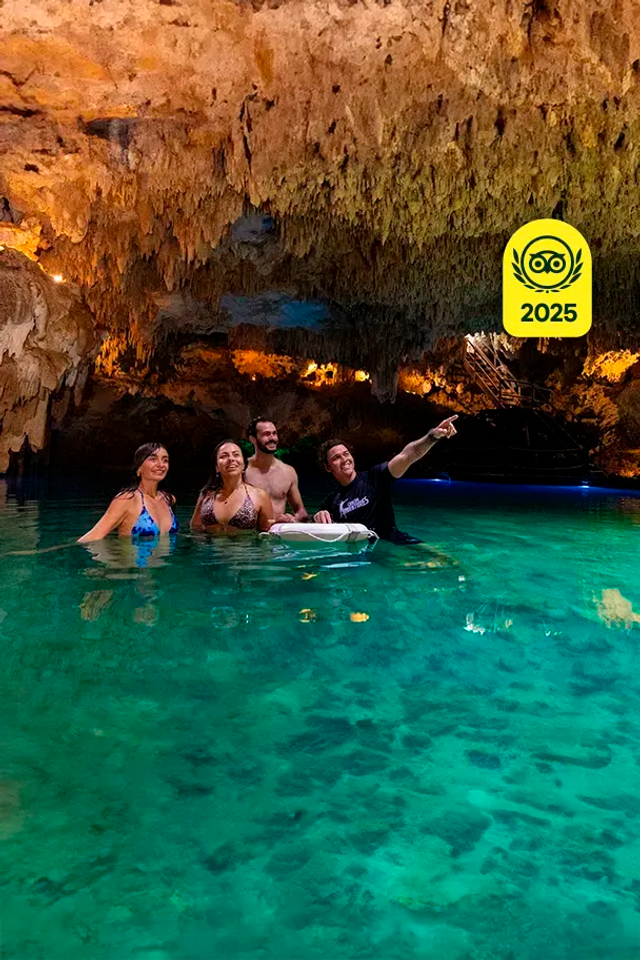
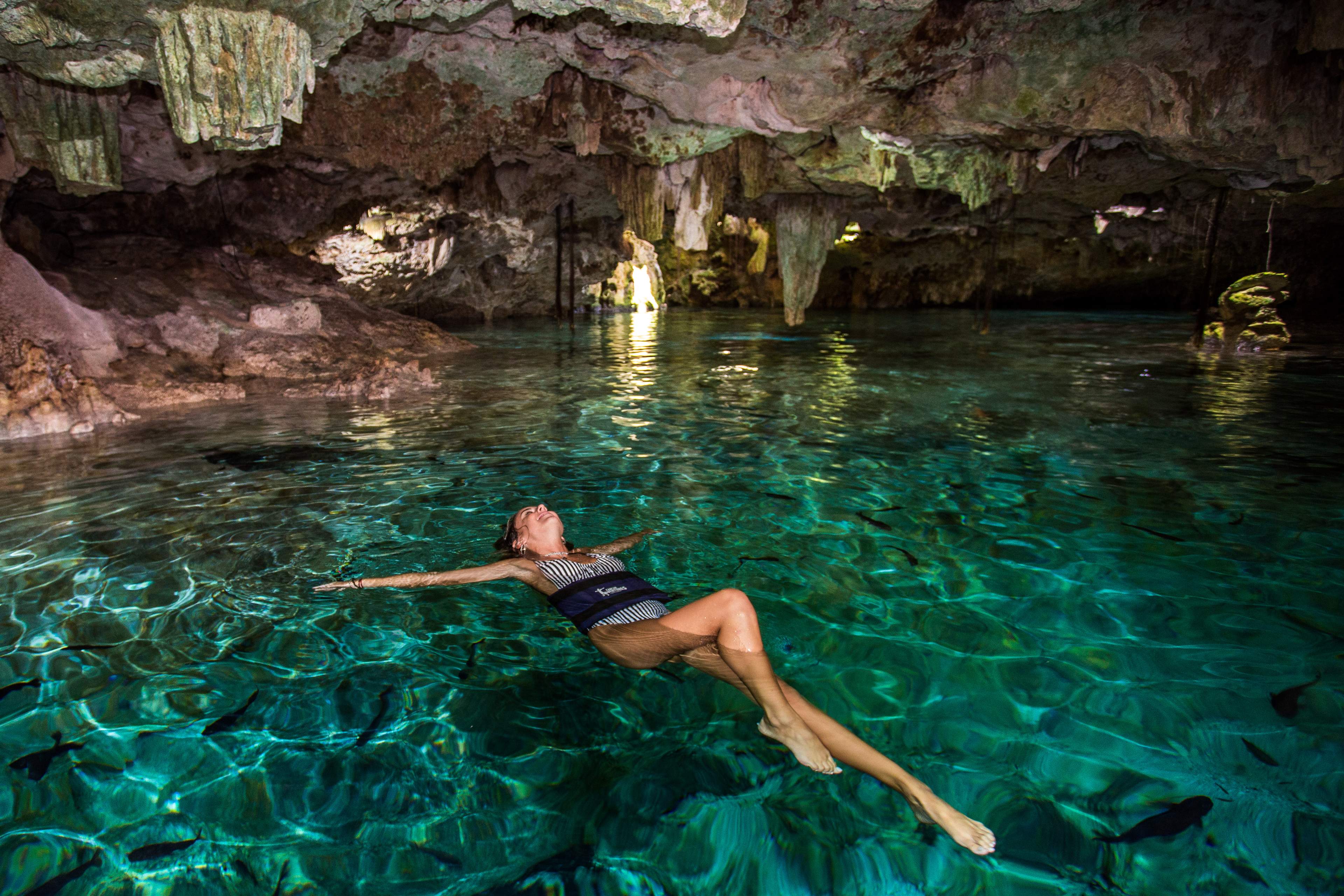
Most cenotes require navigating stairs without railings. The official minimum age for cenote tours is 6 years old, and life vests are mandatory. Cenote visits are not recommended for travelers with heart conditions, lung problems, spine conditions, or hypertension.
Guided cenote tours like the Cenote Cave & Yal Ku Lagoon tour and the Tulum, Yal Kú & Cenote tour provide all required safety equipment including life jackets and snorkel gear, removing a planning worry for safety-conscious travelers.
Archaeological Site Safety
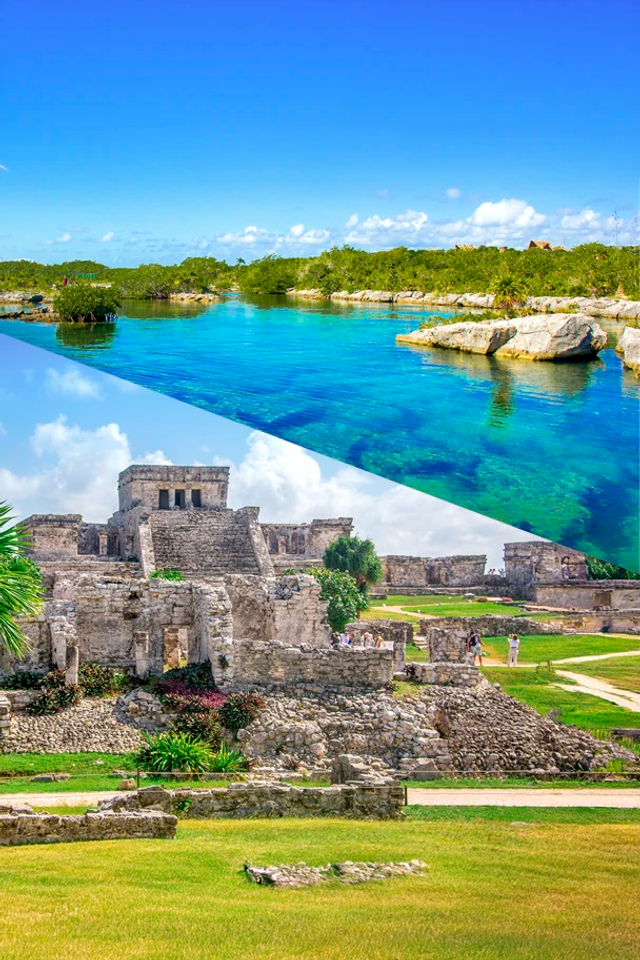
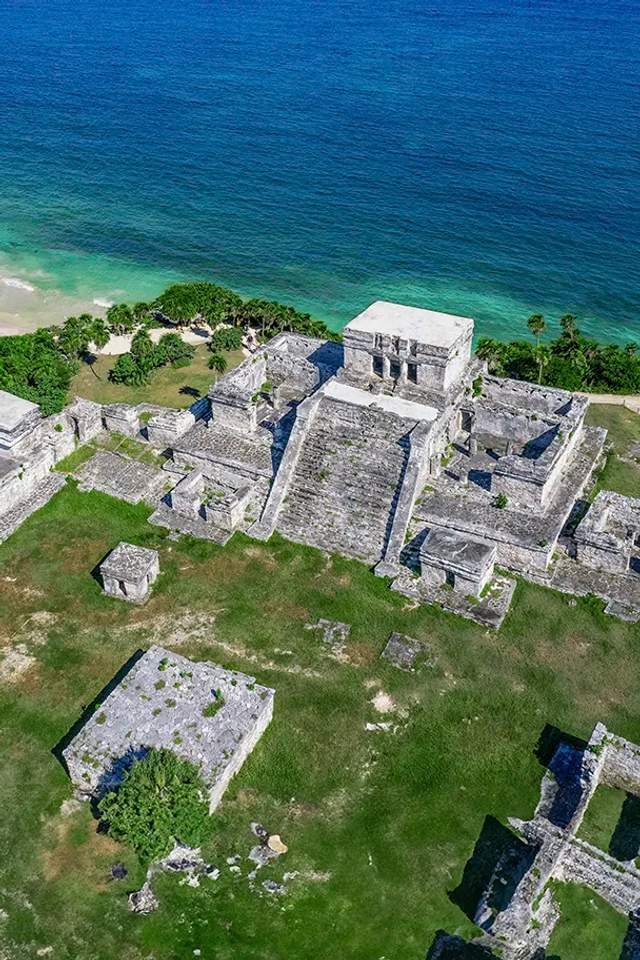
Tulum offers the most manageable experience with moderate walking and stunning cliff-top views—ideal for families and elderly travelers. The Tulum Ruins Tour includes entrance fees, bilingual guides, water, and umbrellas.
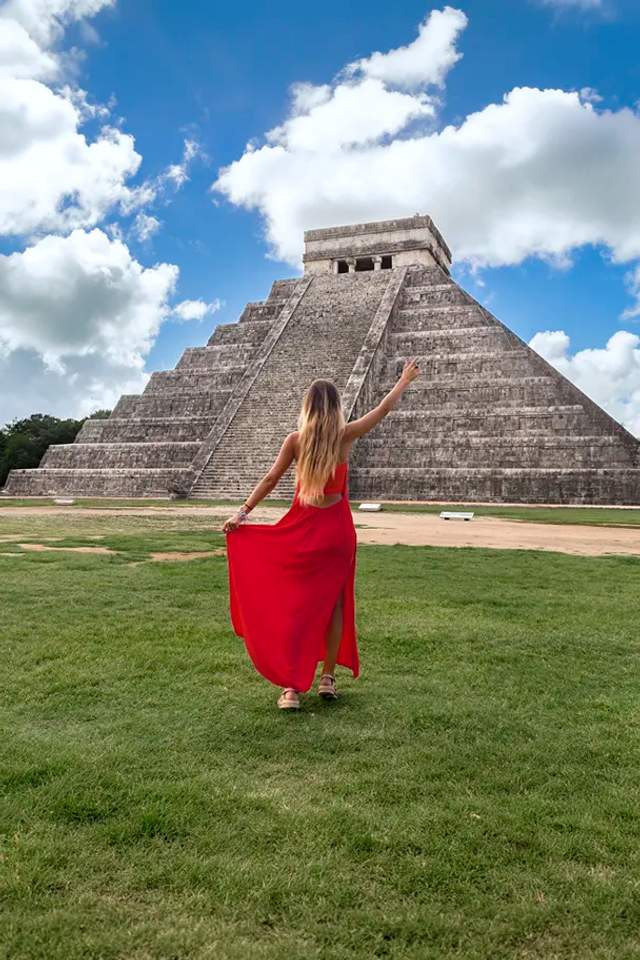
Chichen Itza requires considerable walking in heat. Climbing the iconic El Castillo pyramid is permanently prohibited. The Chichen Itza Tour includes water, soft drinks, snacks, and a box lunch.
Coba presents the most demanding experience but is the only major Yucatán site where visitors can still climb a pyramid—Nohoch Mul at 137 feet. The Coba & Mayan Cenote tour handles transportation through jungle terrain.
For all sites, wear sun-protective clothing, visit early morning, and bring refillable water bottles (single-use plastic is prohibited).
Nightlife Safety
The Hotel Zone nightclub strip (Coco Bongo, Mandala, The City) is heavily patrolled but requires precautions. Never leave drinks unattended, keep friends in sight, and arrange transportation before going out. Use app-based services to return to your hotel safely. Stick to well-lit, busy areas and trust your instincts.
For a complete guide to venues and tips, read our Cancun nightlife guide.

Health and Medical Safety
Tap water is not safe to drink anywhere in Mexico—use bottled or purified water for drinking, brushing teeth, and rinsing fruits. Ice at hotels and established restaurants is typically made from purified water and is safe. To avoid stomach issues, stick to cooked foods from reputable establishments and wash hands frequently.
No special vaccinations are required for Cancun, though the CDC recommends ensuring routine vaccinations are up to date. Mosquito repellent is advisable, especially during dawn and dusk, to protect against mosquito-borne illnesses.
The Hotel Zone has excellent medical facilities with English-speaking staff. Hospital Galenia is located on Avenida Tulum in downtown Cancun, and Hospiten is in the Hotel Zone on Boulevard Kukulcán—both offer 24-hour emergency services, modern equipment, and doctors trained in the United States.
Many hotels have on-site medical clinics or can arrange doctor visits to your room. Pharmacies are abundant throughout the Hotel Zone, and many medications available only by prescription in the U.S. can be purchased over the counter, though travelers should consult their doctor before purchasing unfamiliar medications abroad.
Verify whether your health insurance covers international travel before departure. Most U.S. policies provide limited or no coverage abroad, so consider purchasing travel medical insurance that includes emergency evacuation. Keep digital and physical copies of your insurance cards and any prescription medications you take regularly.
Isla Mujeres: A Safe Island Escape
Isla Mujeres is a small island with a single main road, virtually no crime affecting tourists, and a relaxed atmosphere that many travelers describe as feeling even safer than the Hotel Zone. The island's compact size and local community create a welcoming environment ideal for day trips.
Guided Tours: Safety Built In
Guided tours address the safety concerns this article raises: verified transportation, entrance fee handling, bilingual guides who navigate logistics, and safety equipment provided. Specific options include:
Chichen Itza Tour for ancient Mayan history—eliminates the 5-hour round-trip drive through unfamiliar roads with lunch and refreshments included
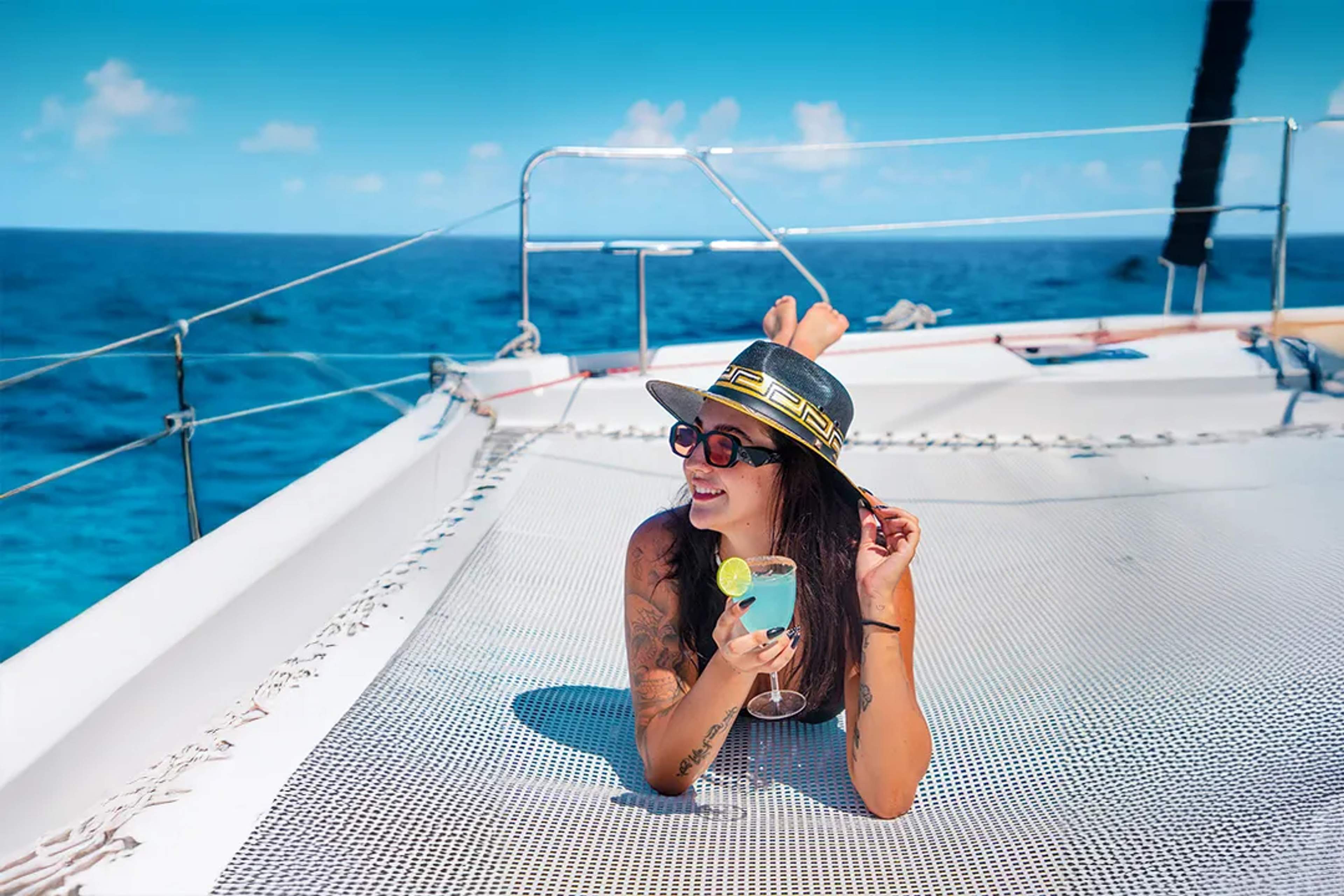
Isla Mujeres Luxury Sailing for catamaran island-hopping—removes the need to negotiate ferry tickets and island transport independently
Cenote Cave & Yal Ku Lagoon for cenote swimming—provides mandatory life jackets and a guide who knows the unrailed staircases
El Cielo Cozumel Snorkeling for underwater experiences—includes instruction for beginners in open-water conditions with life jackets provided
Safety Checklist
Enroll in STEP for embassy alerts
Carry travel medical insurance
Use app-based transportation (Uber, Cabify)
Book excursions through verified operators
Drink only purified water
Keep copies of documents separate from originals
Save emergency numbers: 911 and Tourist Police (998) 885-2277
Ready to experience Cancun safely? Explore our tours with professional guides, safe transportation, and unforgettable experiences.