Stare into the turquoise depths of a Yucatán cenote and you're looking at more than a swimming hole—you're gazing into what the ancient Maya called Xibalba, the "Place of Fear." This wasn't a realm of eternal punishment but a transformative underworld where souls journeyed before renewal.
The Hero Twins' trials in Maya mythology show us that life and death are part of an endless cycle. Every cenote you encounter tells this same story, carved in limestone and filled with sacred water. These natural limestone sinkholes served as the most direct portals to the underworld, where Maya priests lowered offerings of jade, pottery, and human life to communicate with gods and ancestors.
Over 6,000 cenotes dot the peninsula, and many still hold this sacred power. When you visit these natural formations, you're stepping into living legend. Treat each cenote as the sacred threshold it truly is, and the ancient stories will come alive in every ripple around you.
The Role of Xibalba in Mayan Culture and Spirituality
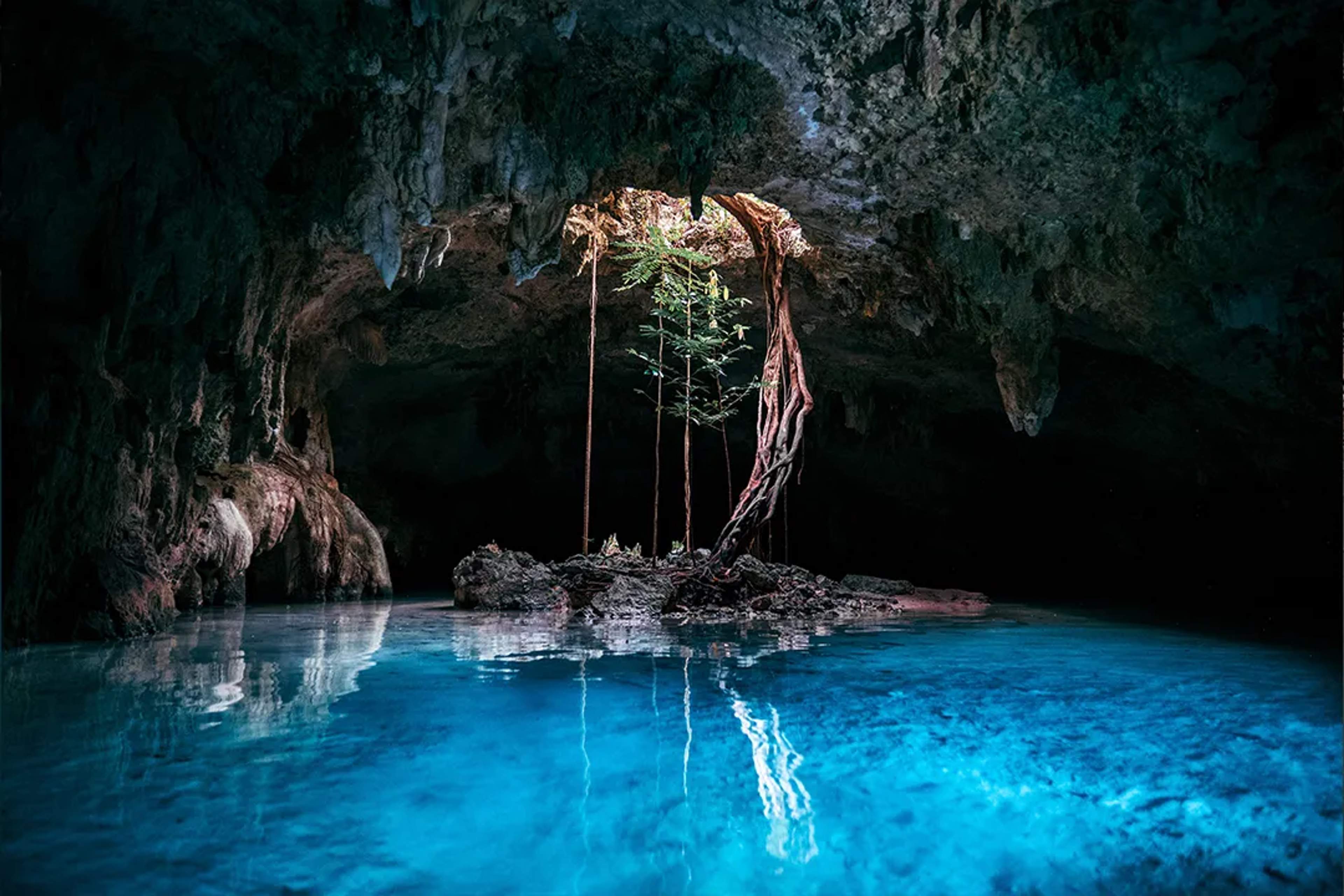
This mystical underworld, governed by the Lords of Death—primarily Hun-Came ("One Death") and Vucub-Came ("Seven Death")—represented far more than a place of punishment. Maya cosmology viewed it as an inevitable part of the soul's journey, illustrating their cyclical understanding of life, death, and renewal. Most souls would traverse this realm, with only those who died violently or through sacrifice possibly bypassing it entirely.
The mythology surrounding this underworld comes alive in the Popol Vuh, which chronicles the Hero Twins, Hunahpu and Xbalanque. After angering the rulers of the underworld, the twins were summoned to face a series of deadly trials. Their clever victory over the Lords of Death demonstrated the triumph of life over death, securing cosmic balance that became foundational to Maya spiritual beliefs.
Princess Ixquic also holds a vital place in this mythology as the mother of the Hero Twins. Her story symbolizes the connection between the underworld and the living world, emphasizing themes of union and transformation. These rich mythological tales framed the journey to the underworld as an essential phase of life rather than a place of despair, a complex view that continues to inform Maya cultural identity and spiritual practices today.
Cenotes as Sacred Waterways to Xibalba
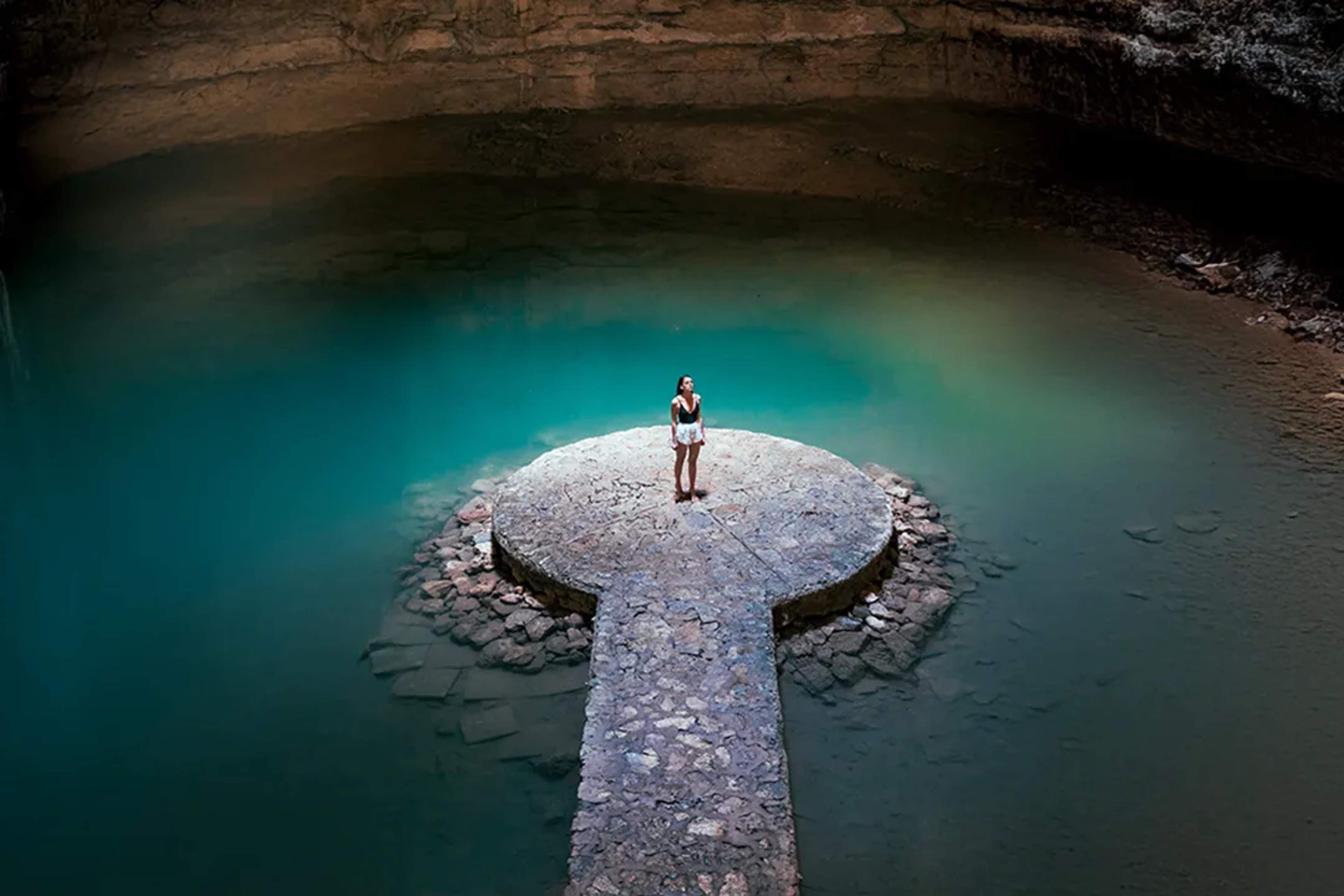
Stand at the edge of a cenote and you're peering into more than turquoise water—you're looking into a doorway the Maya believed led straight to their transformative underworld. While caves, sinkholes, and deep water were all considered liminal places, these limestone formations felt especially alive to ancient practitioners.
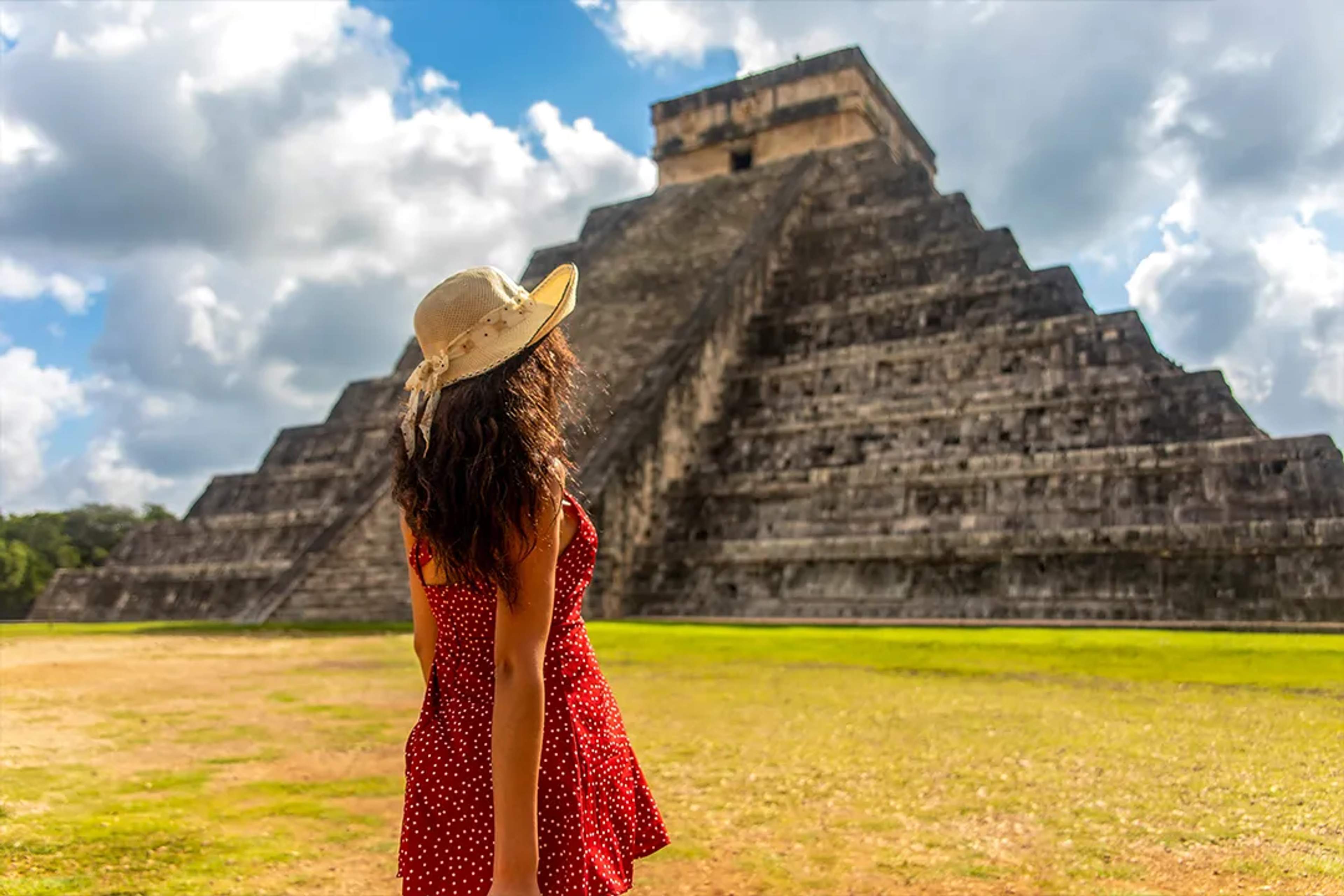
These silent mirrors marked where the surface world met the underworld's currents, creating sacred thresholds that archaeologists continue to study. Excavations at sites like Chichén Itzá's Sacred Cenote have revealed incredible artifacts—jade, obsidian blades, incense burners, and even intact wooden objects—proving the Maya treated these waters as sacred spaces rather than mere wells.
Physical and Spiritual Significance
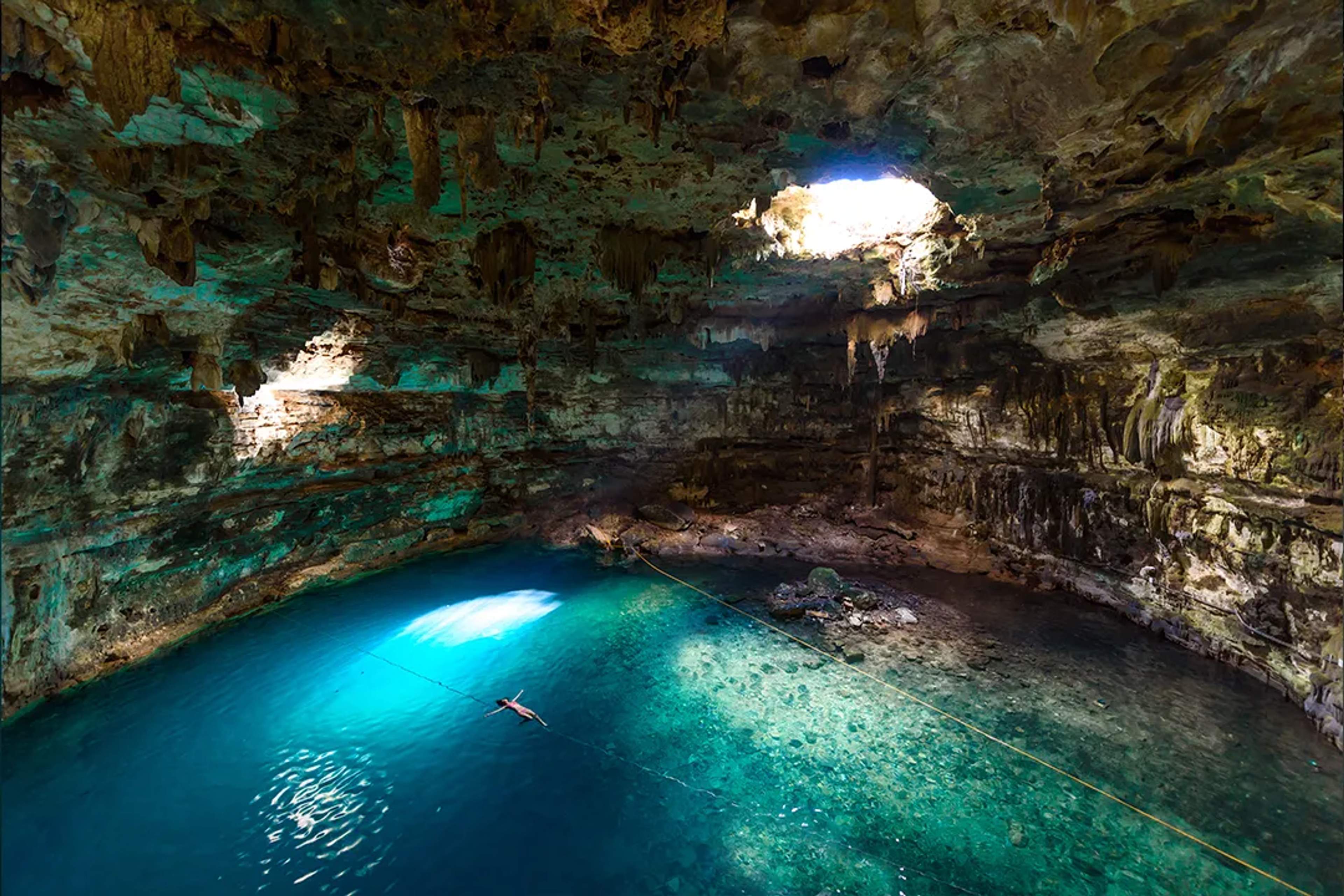
These natural formations dot the Yucatán by the thousands, yet only certain ones were revered as true portals. Their cool, seemingly bottomless chambers matched Maya stories of rivers of blood and winding passages in the underworld. At the Sacred Cenote, divers found gold bells and hundreds of human bones, evidence that offerings crossed from life into myth in these depths.
Water meant life, so these formations held delicate duality: life-giving reservoirs on the surface, gateways to the afterlife below. That balance made them natural shrines for Chaac, the rain god believed to reside in subterranean waters. When thunder cracked over the jungle, the Maya pictured Chaac rising from a cenote, bringing seasonal rains and renewal.
Ceremonial Uses and Practices
Rituals unfolded at the water's edge with an intensity few other settings could match. Priests purified initiates, couples sought fertility blessings, and entire communities gathered to petition Chaac for rain. During times of drought or political crisis, ceremonies grew more elaborate, with archaeological evidence revealing precious offerings—jade, pottery, and in extreme cases, human sacrifices—given so spirits could intercede with the underworld lords.
Not every site demanded such dramatic offerings. Maya priests selected locations based on lineage legends, local geology, and the perceived strength of the portal. Many cenotes hosted gentler rites tied to the ceremonial ballgame, where players reenacted the Hero Twins' victory over death, then cast burned incense and carved rubber balls into the water, letting the underworld witness their triumph.
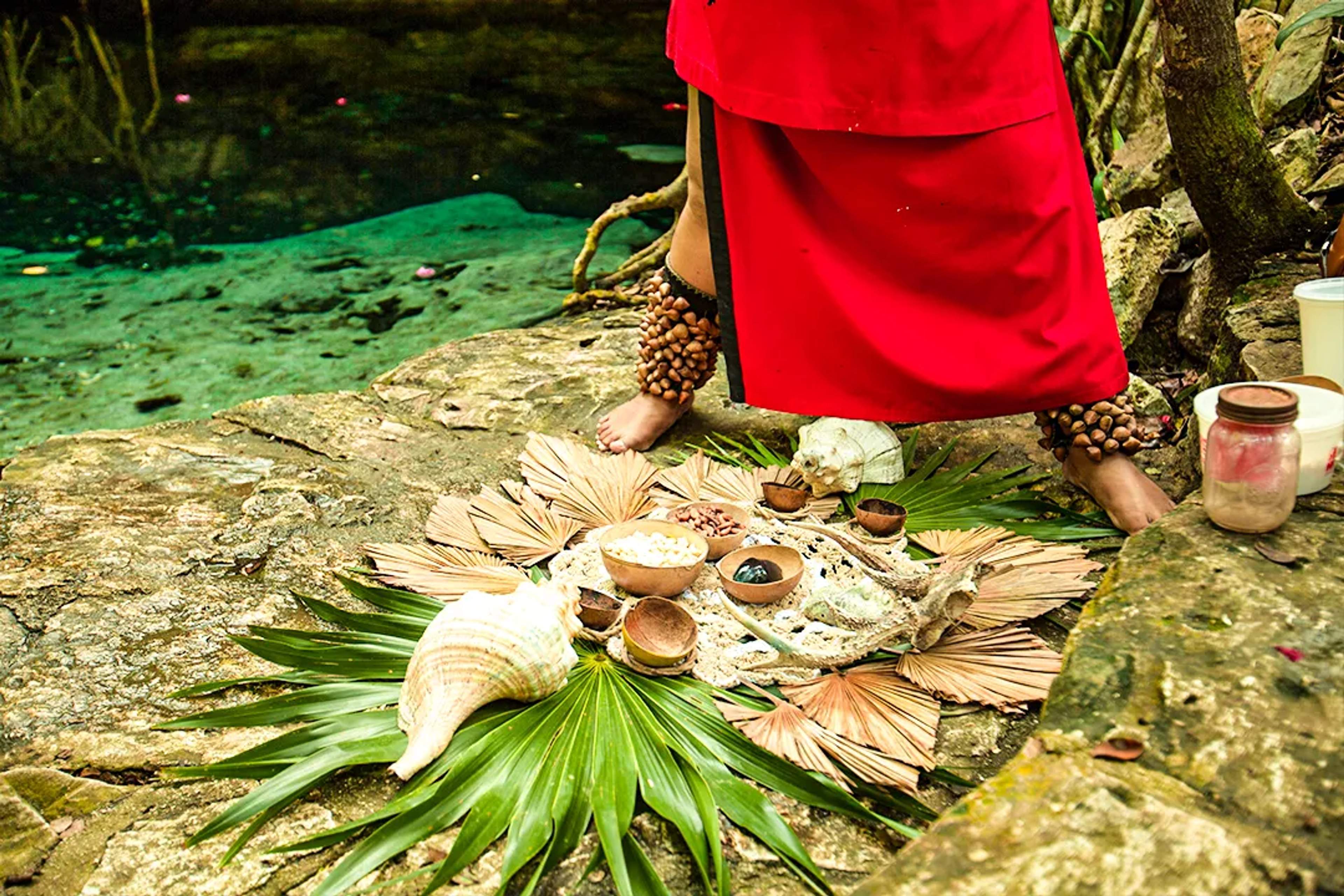
These sacred practices evolved over centuries, and while the dramatic rituals of ancient times have transformed, the reverence for these natural portals remains. Today's Maya communities still gather at cenotes for blessings and ceremonies, maintaining their ancestors' deep spiritual connection to these waters. Modern visitors can honor this legacy by approaching these spaces with respect and wonder.
How to Experience the Secrets of Xibalba on Your Trip
Stepping into a cenote today is the closest you'll come to touching the ancient Maya worldview without leaving the modern world behind. Crystal-clear water, echoing caverns, and shafts of filtered sunlight combine to create the otherworldly atmosphere the Maya recognized as sacred. With proper guidance and respect, you can safely explore these natural wonders while honoring their cultural significance.
These formations demand respect as both living ecosystems and ceremonial spaces. Proper cenote etiquette requires showering before entering to wash off substances that disrupt delicate freshwater life—even "reef-safe" sunscreen formulas can harm these pristine environments.
Experienced guides help you move mindfully through these spaces, knowing which paths protect fragile jungle flora and understanding the natural acoustics that keep chambers serene. They provide proper equipment like life jackets and explain safety protocols crucial in cave environments where underwater tunnels can disorient even confident swimmers.
Each type of formation offers a different connection to these ancient beliefs:
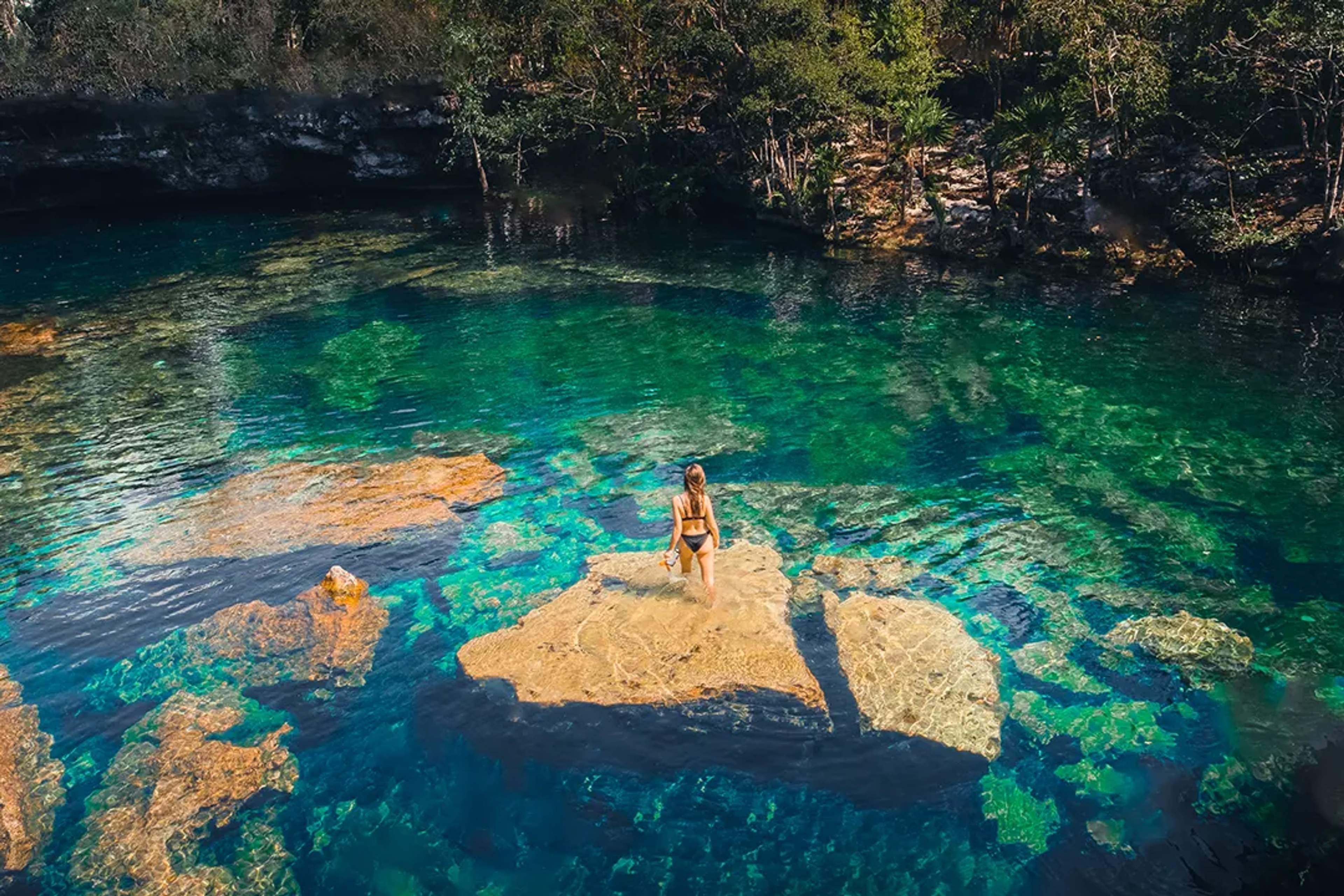
Open cenotes stretch like jungle-framed lakes, their broad, sun-drenched waters perfect for relaxed swimming and photography. These accessible sites let you ease into the experience while connecting with the spiritual significance Maya people recognized for millennia.
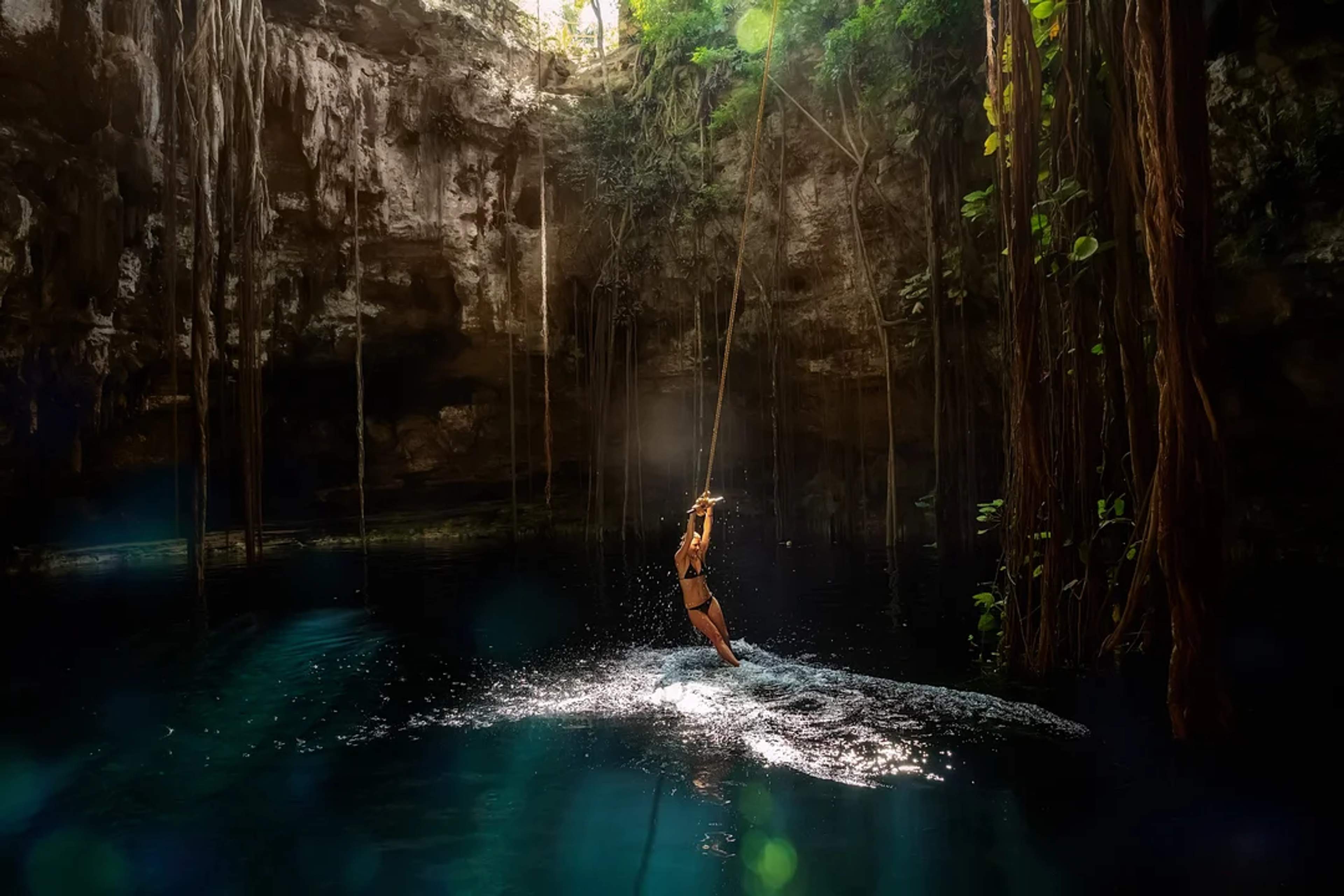
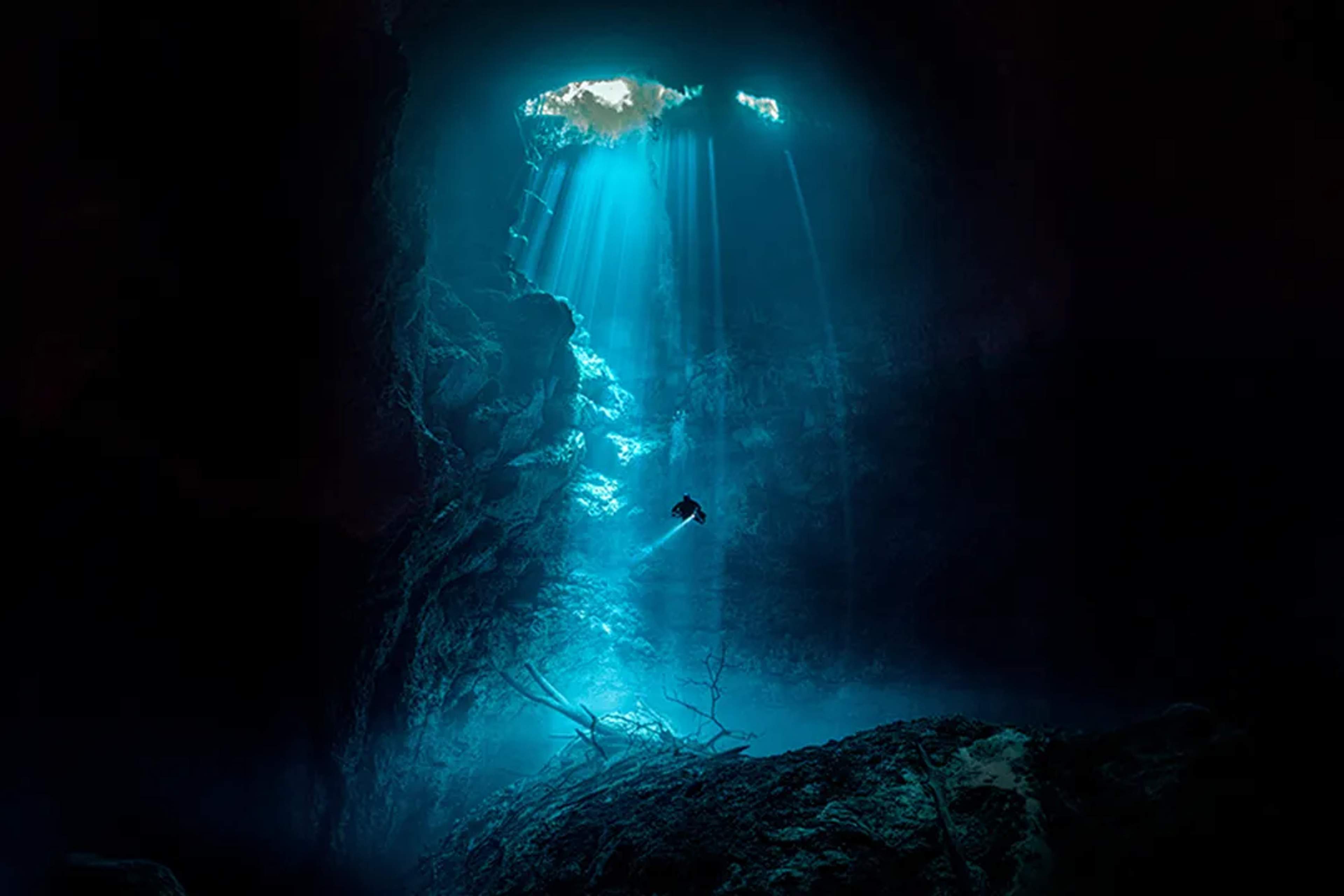
Semi-open formations provide drama through contrast—cave-like chambers punctuated by ceiling holes that stream ethereal daylight onto the water below. These sites create perfect conditions for snorkeling, where filtered sunbeams illuminate the connection between surface and underworld.
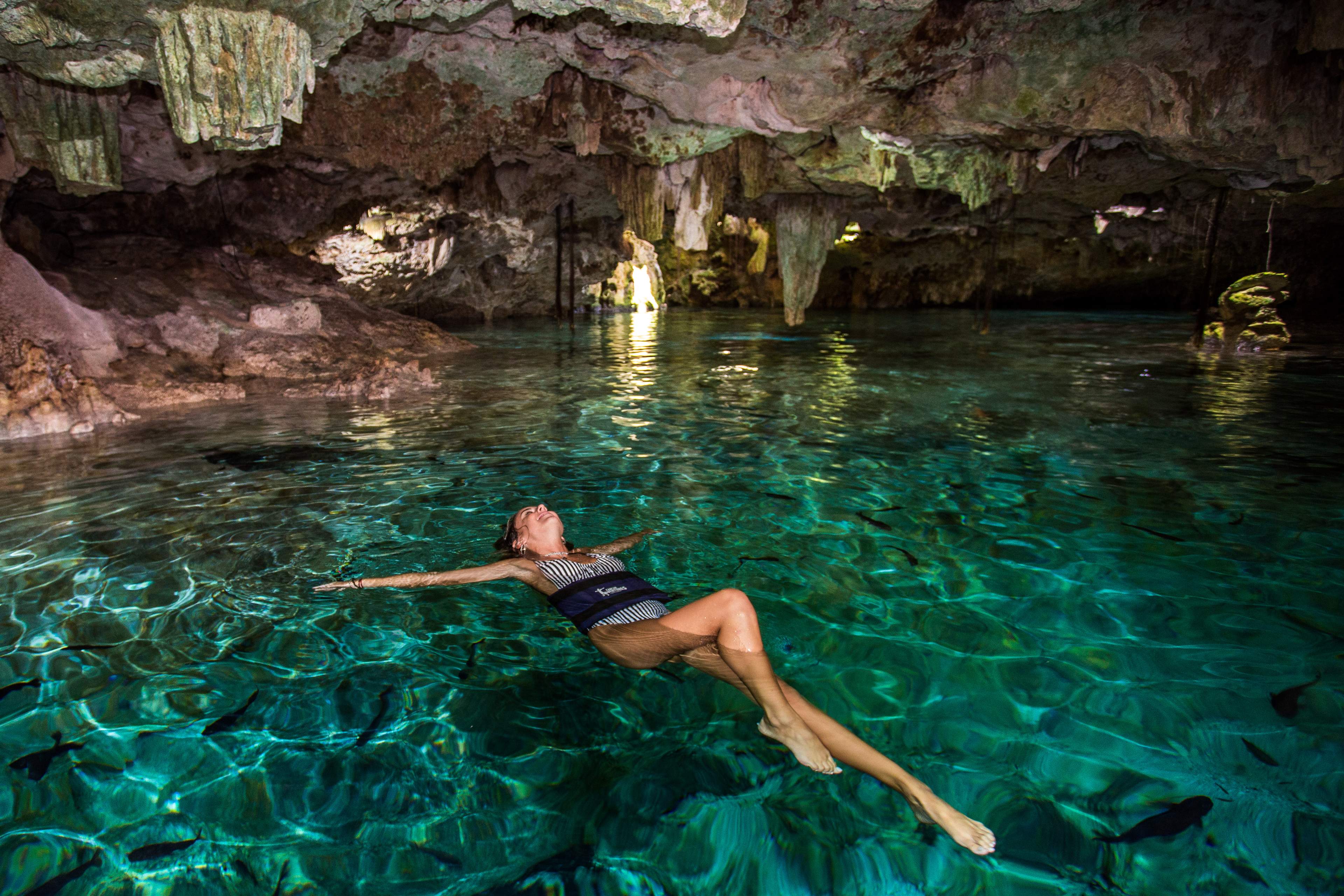
Cave cenotes remain mostly enclosed, their vaulted chambers studded with stalactites creating natural cathedrals of stone. Here, you float in near silence beneath formations that took thousands of years to grow. For certified divers, deeper passages reveal the true extent of underwater tunnel systems the Maya believed led directly to their underworld.
Basin cenotes provide the gentlest introduction to these sacred waters, with shallow, tranquil pools that welcome families and anyone who prefers wading to plunging into deeper mysteries.
Most importantly, guides who grew up with these stories can help you understand why you're entering places Maya people still regard as gateways to their ancestors. Their knowledge transforms a simple swim into a meaningful cultural experience.
Recommended Cancun Tours Featuring Cenotes
Step beyond the hotel zone and let experienced guides lead you through the limestone formations that once carried Maya prayers to the underworld. Each carefully designed experience combines cultural context with adventure, ensuring you return with authentic memories of the Yucatán.
Adventure-Focused Options
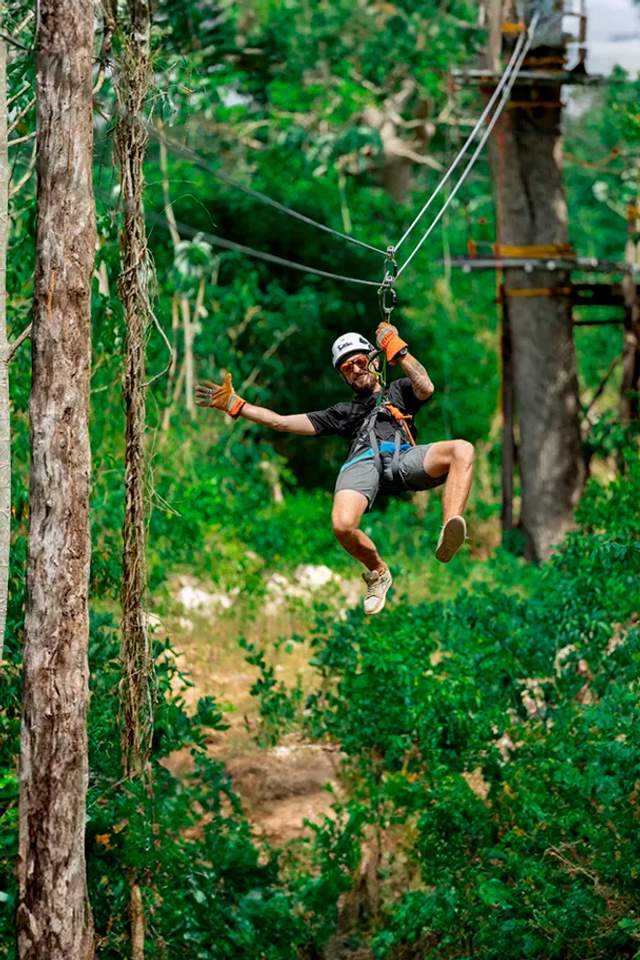
ATV, Zipline & Cenote Adrenaline Tour speeds through jungle trails on ATVs before soaring over treetops on multiple ziplines. The adventure includes rappelling down into a cenote and swimming in sacred Maya sinkholes, providing the perfect blend of adrenaline and cultural immersion.
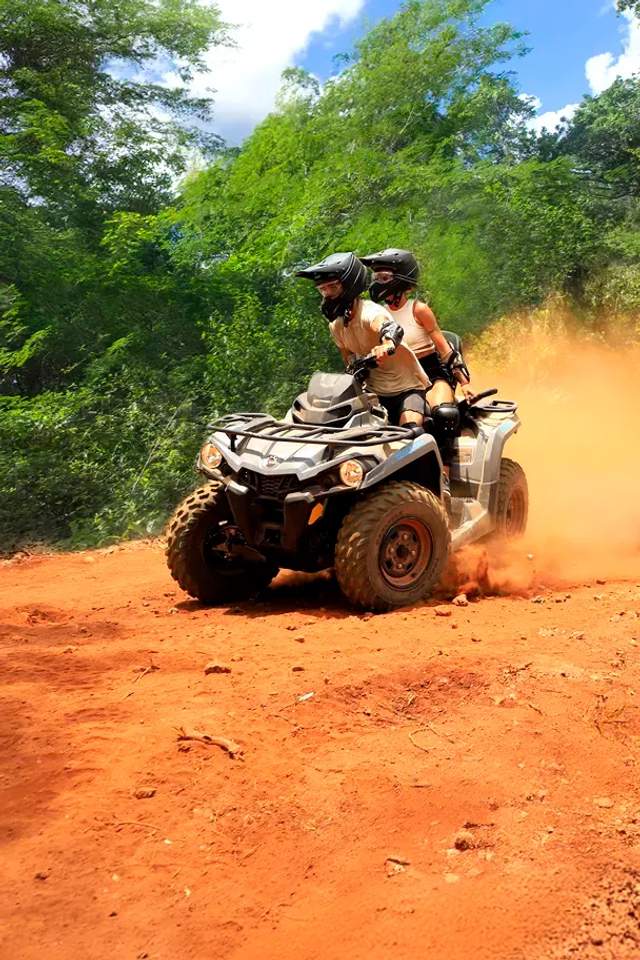
Cancun ATV & Cenote Adventure combines powerful Can-Am Outlander ATVs riding through Maya jungle trails with a refreshing swim in a secluded open-air cenote. After your adventure, explore the bohemian town of Puerto Morelos for local culture and traditional Mexican snacks.
Culturally Immersive Experiences
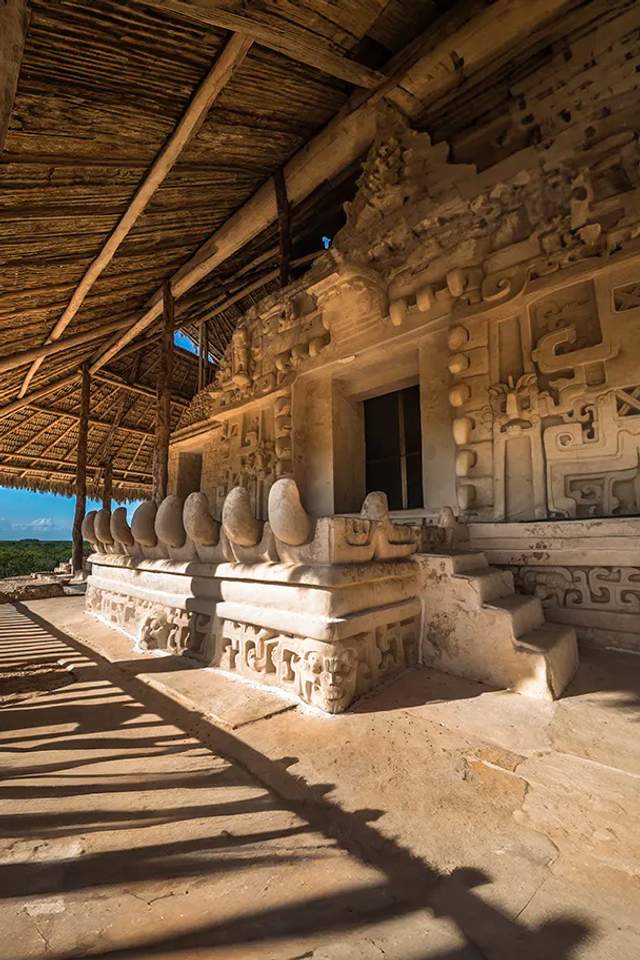
Ek Balam Ruins Adventure combines the ancient Maya city's iconic Acropolis pyramid with a cooling swim in crystal-clear cenote waters. Experience a traditional Maya ceremony and visit the charming colonial town of Valladolid for a complete cultural journey.
Family and Educational
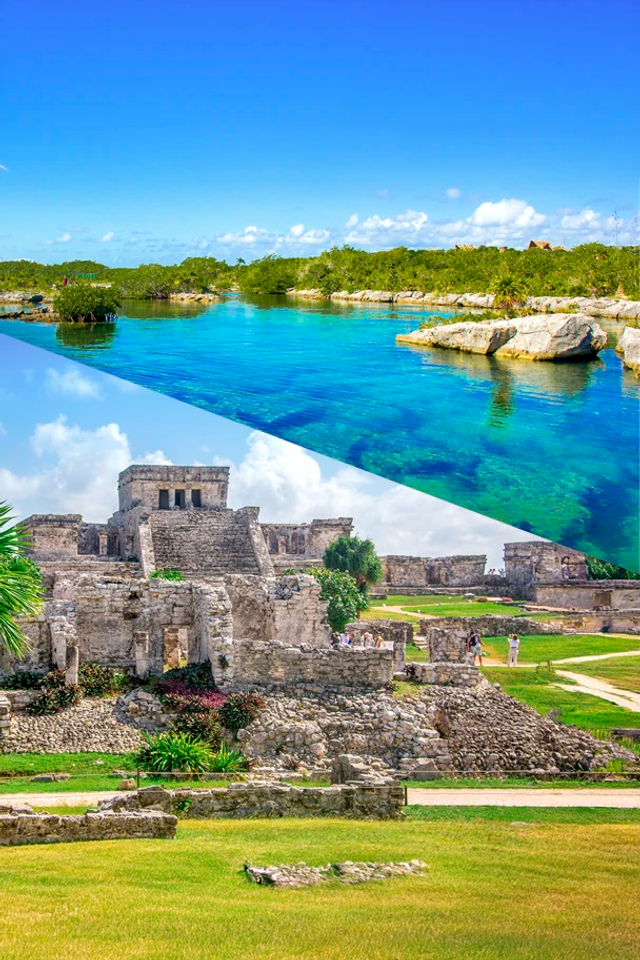
Tulum, Yal Kú & Cenote Cave Tour attracts families with its journey through the clifftop ruins of Tulum, snorkeling in Yal Kú Lagoon where freshwater meets saltwater, and swimming in an authentic Maya cenote. The tour includes a beachside lunch at the exclusive Punta Venado Beach Club.
Whichever path into the underworld you choose, you'll emerge with more than photos. These experiences connect you to thousands of years of Maya wisdom, where every splash echoes ancient ceremonies and every beam of light recalls the eternal dance between worlds. Book your cenote adventure and discover why the Maya saw paradise not above, but within the earth's sacred waters.