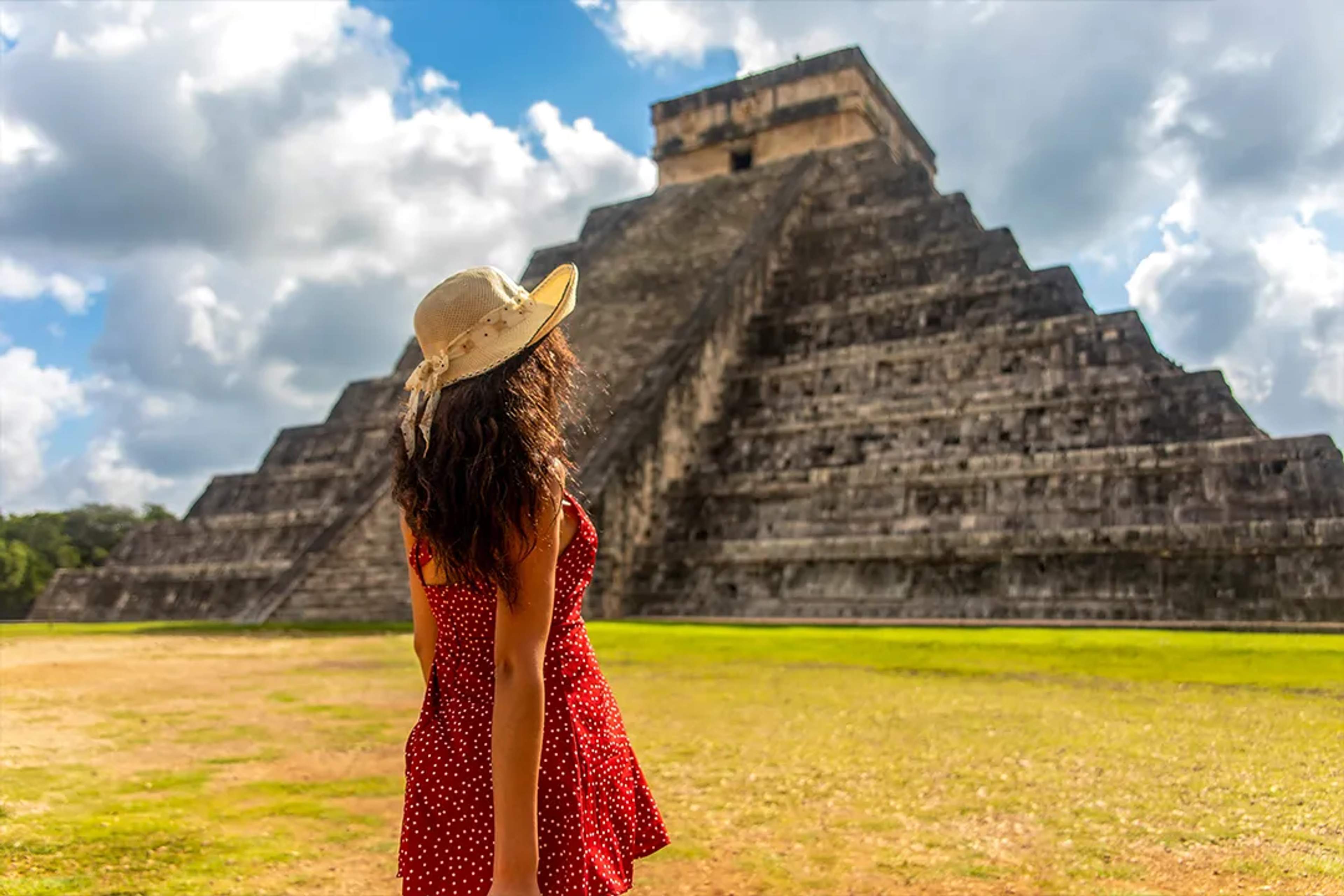
Chichen Itza stands as one of the most extraordinary archaeological achievements in human history. Designated a UNESCO World Heritage Site in 1988 and named one of the New Seven Wonders of the World in 2007, this ancient Maya city draws travelers from across the globe to witness its remarkable architecture and astronomical precision. If you're visiting Cancun, Playa del Carmen, or anywhere along the Riviera Maya, experiencing Chichen Itza should sit at the top of your list.
This guide covers essential Chichen Itza facts, from the history behind its construction to practical details that will help you plan a meaningful visit.
Where Is Chichen Itza and How to Get There from Cancun

Chichen Itza sits in the heart of Mexico's Yucatan Peninsula, approximately 200 kilometers (124 miles) west of Cancun. The journey takes roughly 2.5 to 3 hours each way via the toll road, Highway 180D. One detail that catches many travelers off guard: there's a one-hour time difference between Cancun and Chichen Itza since Yucatan state operates one hour behind Quintana Roo.
The core archaeological zone covers about 5 square kilometers, with residential architecture extending well beyond that footprint. The site opens daily at 8:00 AM with last entry at 3:00 PM.
For travelers staying in the Riviera Maya, the logistics of reaching Chichen Itza and coordinating transportation can feel overwhelming. The Chichen Itza Tour handles these transportation logistics with air-conditioned comfort, allowing you to focus on the experience rather than the drive.
How Old Is Chichen Itza?
Archaeological evidence suggests Chichen Itza was founded by the Itza Maya people in the 5th century AD, making the city well over 1,500 years old. The settlement underwent major construction phases across approximately 1,000 years, with significant architectural development during the Late Classic period (c. 600-800 AD) and a cultural renaissance during the Early Postclassic period (c. 900-1200 AD) when the site's most iconic monuments, including El Castillo, were constructed.
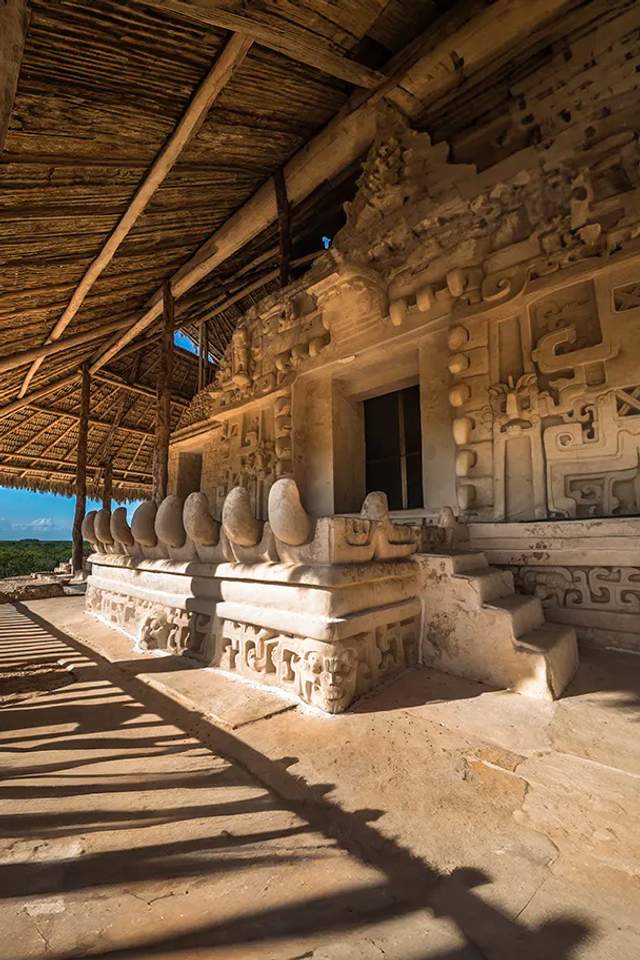
The earliest structures appear in the southern area known as Chichén Viejo (Old Chichen), featuring the distinctive Puuc architectural style with finely cut stone masonry and elaborate geometric facades. The city declined after political rivalry with the city of Mayapán around 1200-1250 AD shifted regional power elsewhere. The Spanish arrived in the mid-16th century to find the site still recognized as a sacred place.
Who Built Chichen Itza?
The city's name translates to "at the mouth of the well of the Itza," referencing both its founders and the sacred cenotes central to its existence. The site reflects the work of successive Maya populations, experiencing a major cultural transformation around 900 AD when new populations introduced Toltec-influenced design and the Kukulcán cult.

Chichen Itza displays architectural diversity beautifully, with Puuc-style buildings alongside structures showing influences from central Mexico.
Why Was Chichen Itza Built?
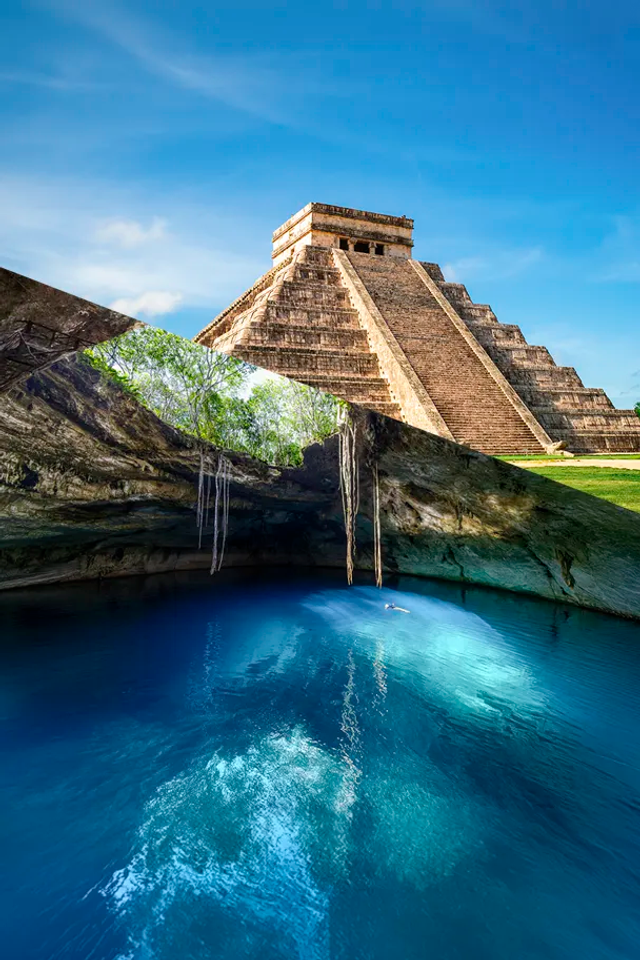
Understanding why the Maya chose this specific location requires understanding the Yucatan's unique geography. The peninsula features flat terrain with no rivers, streams, or lakes: cenotes provided the only reliable freshwater source across the entire region.
Historians believe Chichen Itza rose to prominence precisely because of its proximity to cenotes, particularly the Xtoloc cenote that supplied water to a large permanent population. But the practical necessity converged with profound religious meaning.
The Pyramid of Kukulkan: El Castillo
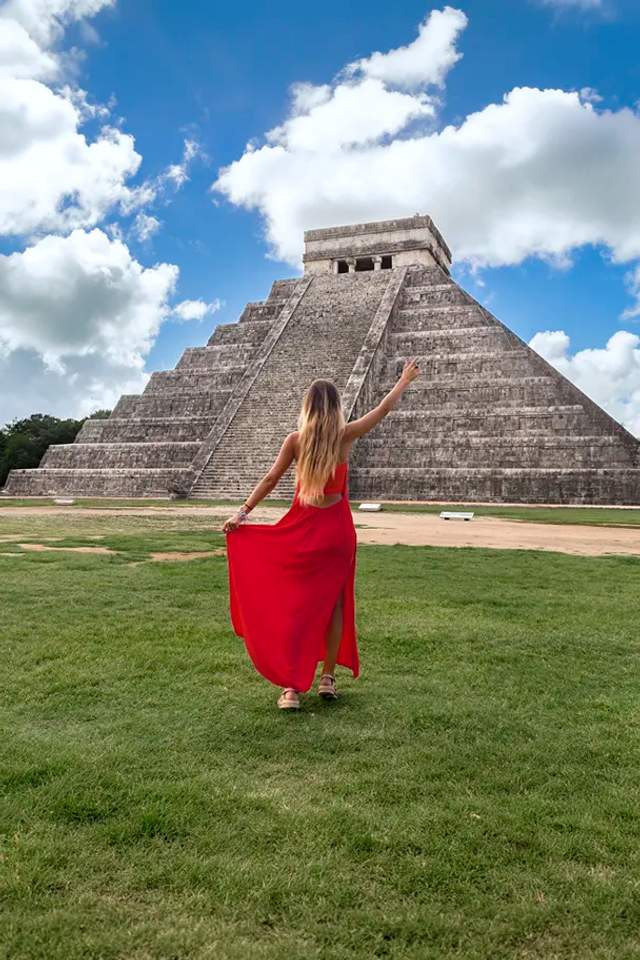
El Castillo (also known as the Temple of Kukulkan) dominates Chichen Itza's central plaza. This iconic stepped pyramid demonstrates the Maya's sophisticated understanding of astronomy and mathematics. Climbing is no longer permitted to protect the structure's integrity.

The Equinox Serpent
During the spring and fall equinoxes (March 20 and September 22 in 2026), the setting sun creates seven triangular shadows along the northern staircase. These shadows connect to the carved serpent head at the base, creating the illusion of a feathered serpent descending the pyramid, a representation of Kukulcán, the feathered serpent deity.
This spectacular phenomenon is visible for approximately one week before and after each equinox, making it accessible across several days rather than only on the exact equinox date. If you're planning an equinox visit, arriving on adjacent days offers the same visual experience with fewer people.
Can You Climb the Pyramid at Chichen Itza?
No, climbing El Castillo is strictly prohibited. Mexico's Instituto Nacional de Antropología e Historia (INAH) enforces this permanent ban to protect the ancient structure for future generations.
While you cannot ascend the pyramid, you can discover the entire archaeological zone on foot, photographing El Castillo from multiple angles and appreciating its astronomical alignments from ground level.
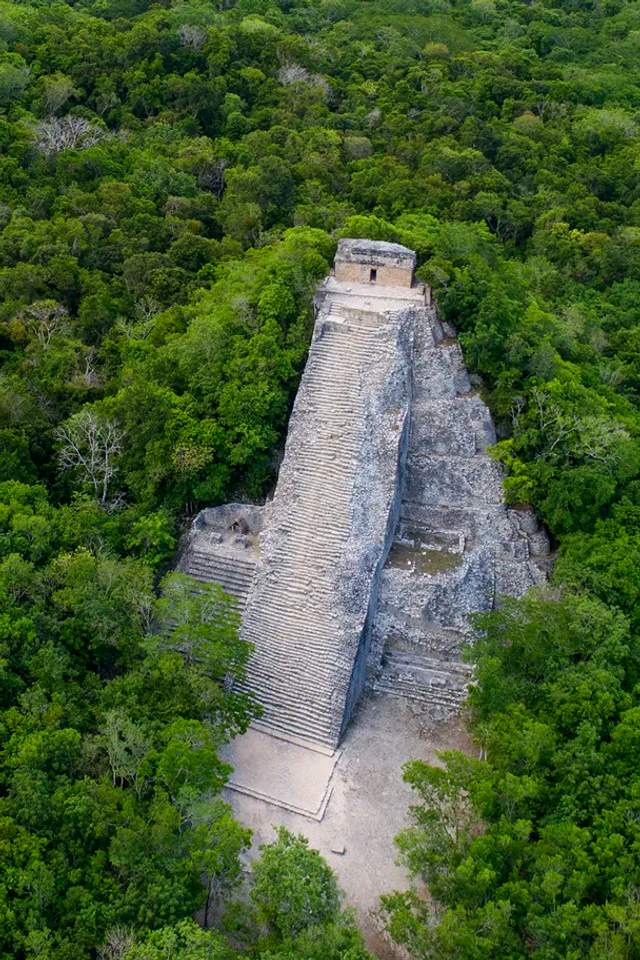
If you're seeking a more intimate Maya experience, the Coba Ruins are a compelling alternative. The Coba & Mayan Cenote Ek Balam Ruins tour takes you to this lesser-known gem that can be climbed and provides a quieter atmosphere with far smaller crowds than Chichen Itza.
The Major Complexes of Chichen Itza
Beyond El Castillo, the site contains several distinct zones reflecting different architectural styles and periods.

The Great North Platform
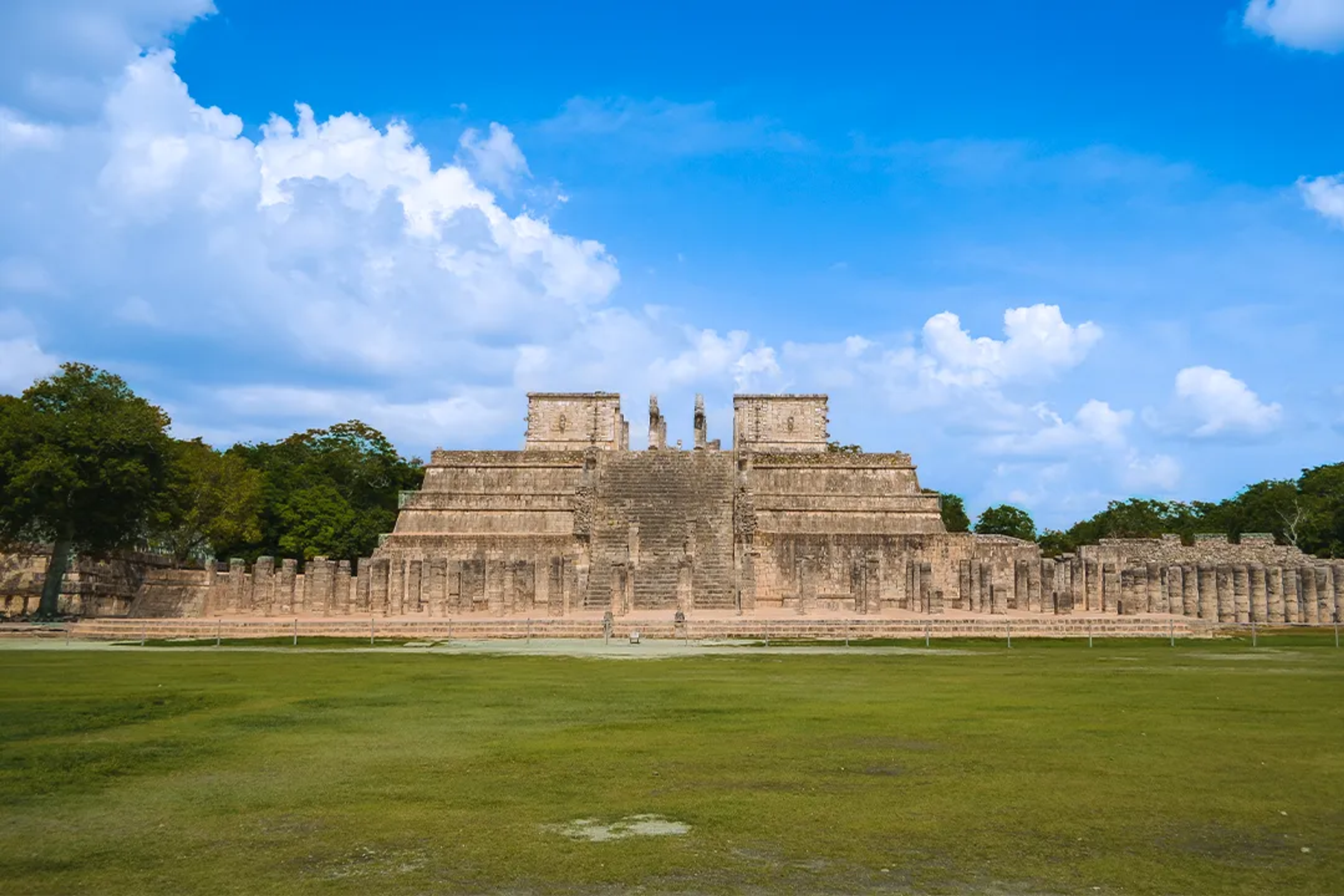
This area includes El Castillo, the Temple of Warriors with its distinctive columns and Chacmool sculpture, and the Great Ball Court, the largest in Mesoamerica. The Ball Court held profound mythological significance in Maya cosmovision, symbolizing the underworld and appearing in the Maya creation myth as documented in The Popol Vuh, where hero twins confronted the lords of death through ritual play.
El Caracol Observatory
This circular tower, unique among Maya structures, functioned as an astronomical observatory. The Maya excelled in their scientific knowledge: they succeeded in calculating solar and lunar eclipses and tracking Venus's movements, essential accomplishments for agricultural planning and ceremonial timing.
El Caracol reflects the Maya's elevation of time itself to divine status, demonstrating how their astronomical expertise was inseparable from their spiritual worldview.
The Sacred Cenote
A short walk from the main plaza leads to this large natural sinkhole with sheer limestone walls descending to dark water below. Unlike the nearby Xtoloc cenote, which was used for daily water collection, the Sacred Cenote's challenging geography made clear its specialized ceremonial function.
Archaeological evidence recovered from its depths demonstrates continuous use for ritual offerings throughout the city's occupation.
Why Is Chichen Itza a Wonder of the World?
In 2007, Chichen Itza was chosen as one of the New Seven Wonders of the World through an international vote that drew over 100 million participants. The designation recognized what visitors experience firsthand: one of the largest and best-preserved archaeological sites on Earth.
El Castillo functions simultaneously as calendar, observatory, and temple, a unified architectural achievement reflecting how Maya civilization integrated astronomical knowledge with spiritual practice. The pyramid's 365 steps track the solar year, its nine terraced levels correspond to the 18 months of the Maya Haab' calendar, and its light-shadow patterns marked seasonal transitions. This convergence of precise astronomical engineering with religious devotion reveals the Maya vision of the cosmos as both a measurable phenomenon and a sacred realm.
When to Visit Chichen Itza
Arriving at 8:00 AM when the site opens transforms the experience. By 10:30 AM, the plaza becomes crowded and the heat intensifies. Avoid Sundays when Mexican citizens receive free entry, resulting in dramatically higher visitor numbers.
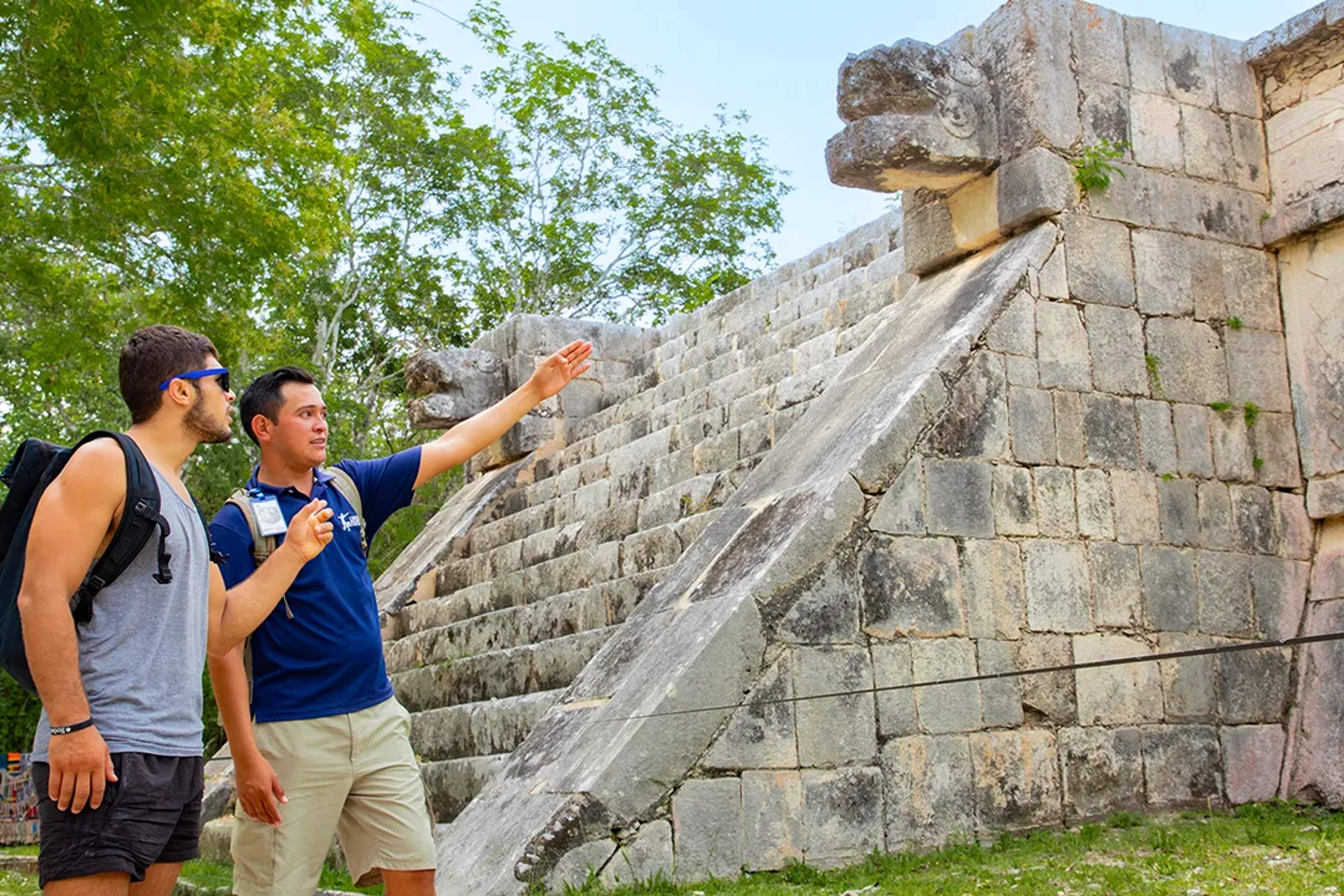
The dry season from November through April offers comfortable weather (75-90°F), with November standing out as the ideal month for balancing pleasant conditions while avoiding the peak December-March tourist surge. The rainy season from June through October brings afternoon rainfall along with substantially fewer visitors and lower prices.
Cooling off in a cenote after discovering the ruins under the Yucatan sun feels like the perfect conclusion to the day. The Chichén Itzá and Cenote Tour combines archaeological adventure with a refreshing swim in these sacred sinkholes, plus a traditional Yucatecan lunch, bringing together history, nature, and authentic Mexican flavor into a single day.
Making the Journey
Standing before El Castillo while understanding what the Maya encoded into its architecture transforms the experience from impressive sightseeing into genuine connection with an ancient civilization's worldview. The journey from Cancun covers more than distance; it crosses from resort coastline into the heartland where Maya civilization flourished for over a millennium.
Book your Chichen Itza Tour during shoulder season for the ideal balance of weather and crowds, an experience that justifies every minute of the trip.