Hurricane season shapes how travelers think about Cancun, influencing everything from flight prices to which wildlife encounters are available. Understanding what this period actually looks like—rather than relying on assumptions—helps travelers decide whether the trade-offs work for their trip.
When Is Hurricane Season In Cancun?
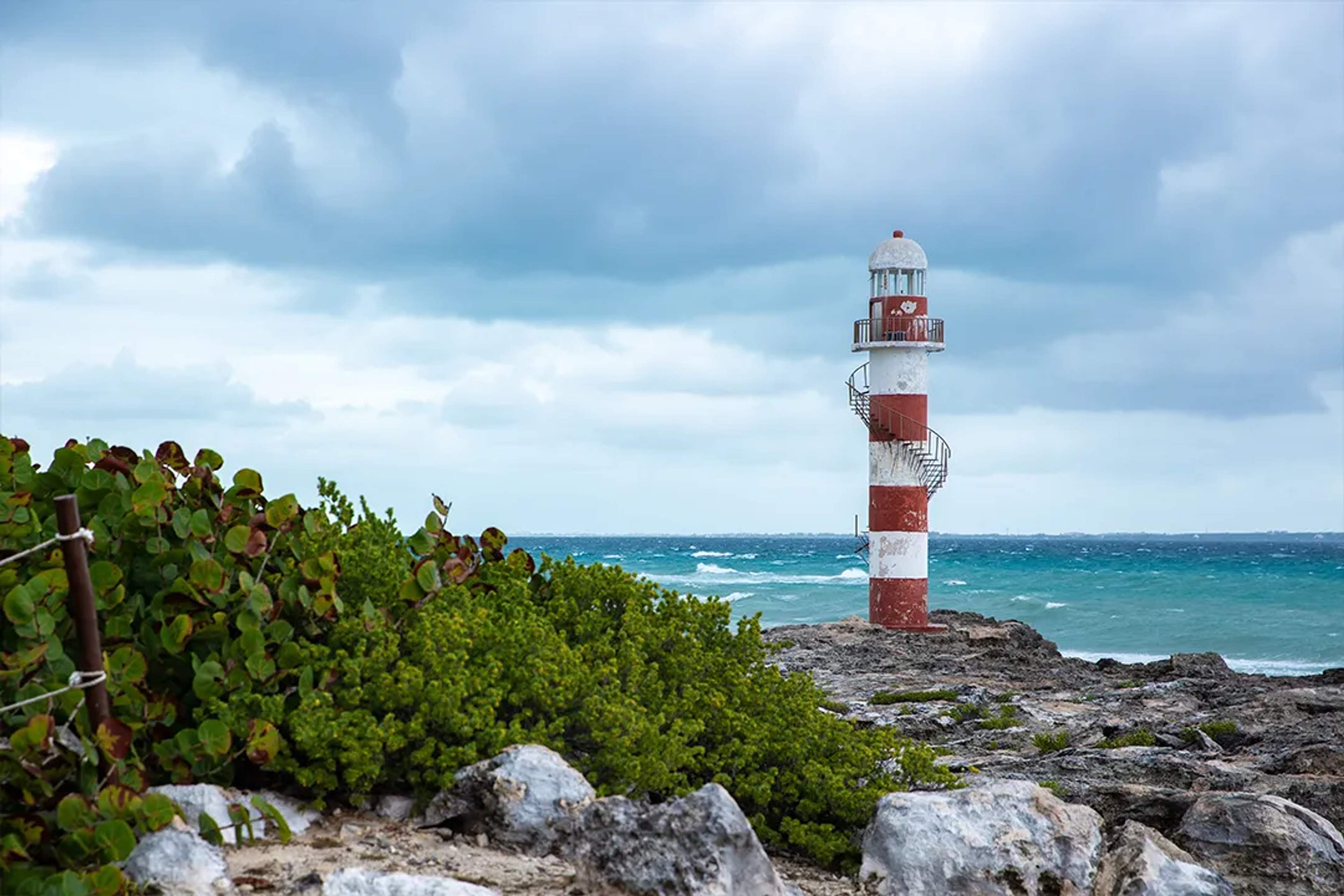
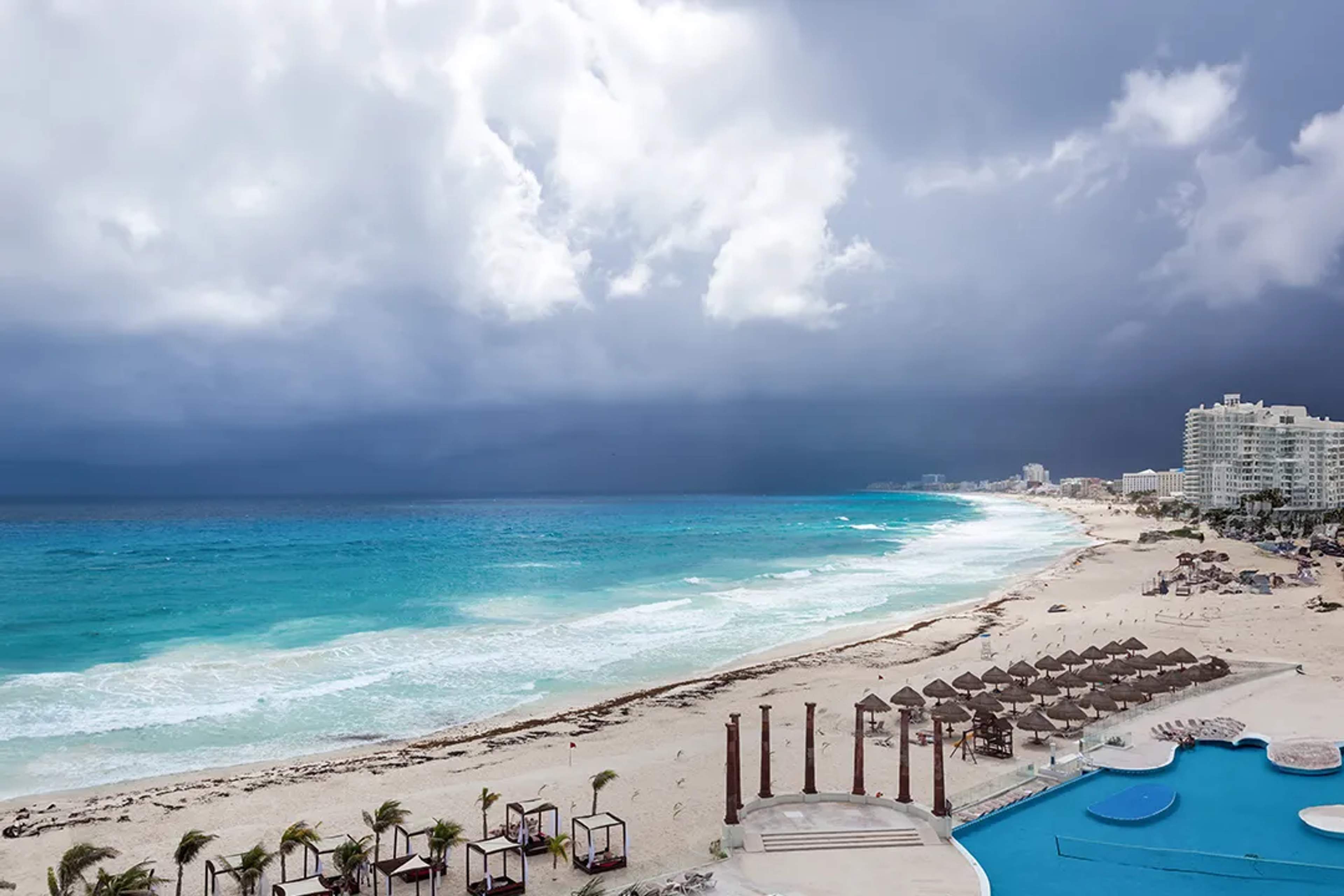
Hurricane season in Cancun runs from June 1 through November 30, with peak storm activity concentrated in August, September, and October.
The region has experienced hurricanes in the past, including Hurricane Gilbert in 1988 and Hurricane Wilma in 2005. More recently, the Riviera Maya completed the 2025 Atlantic hurricane season without a single tropical storm making direct landfall.
What Is the Weather Like During Hurricane Season?
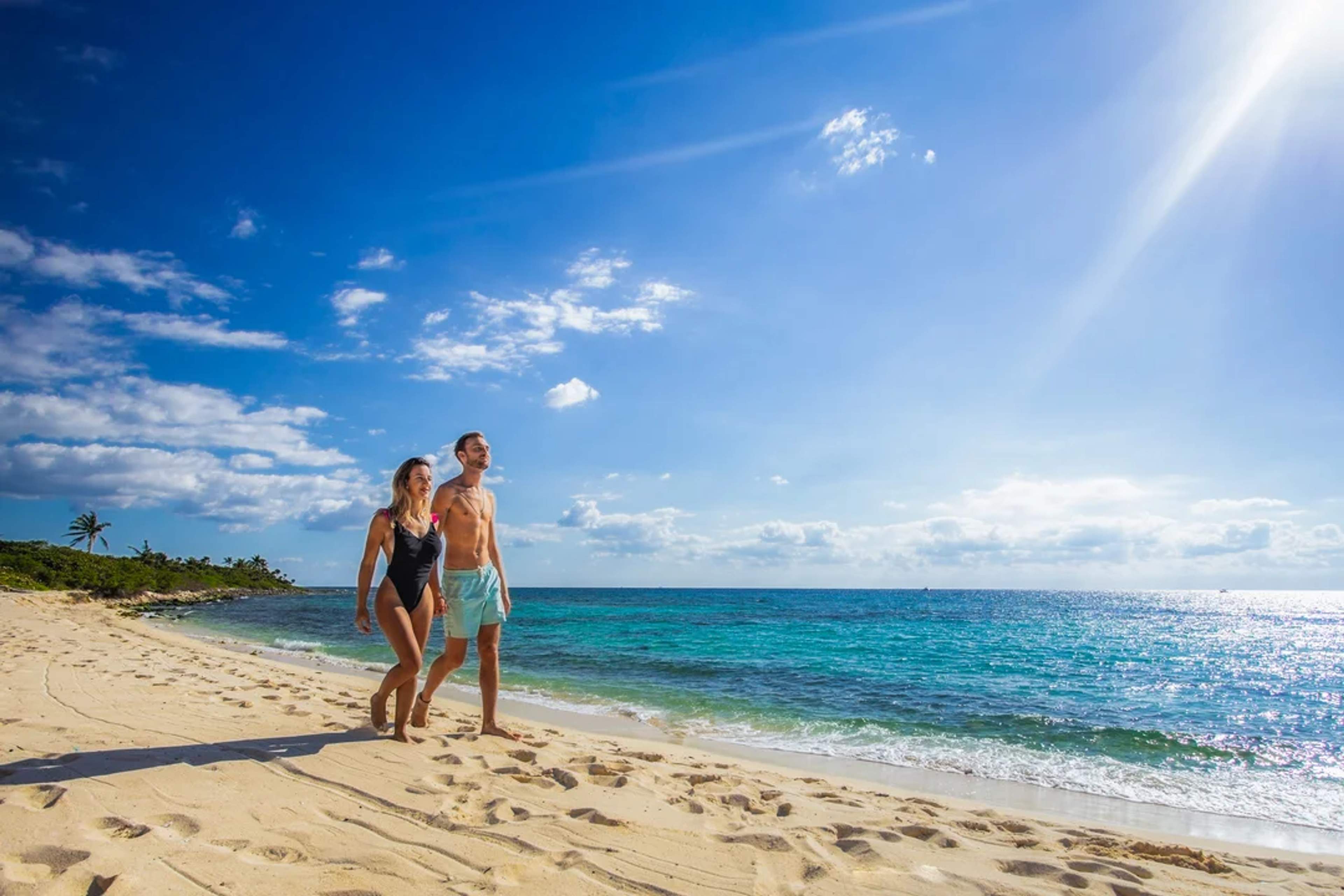
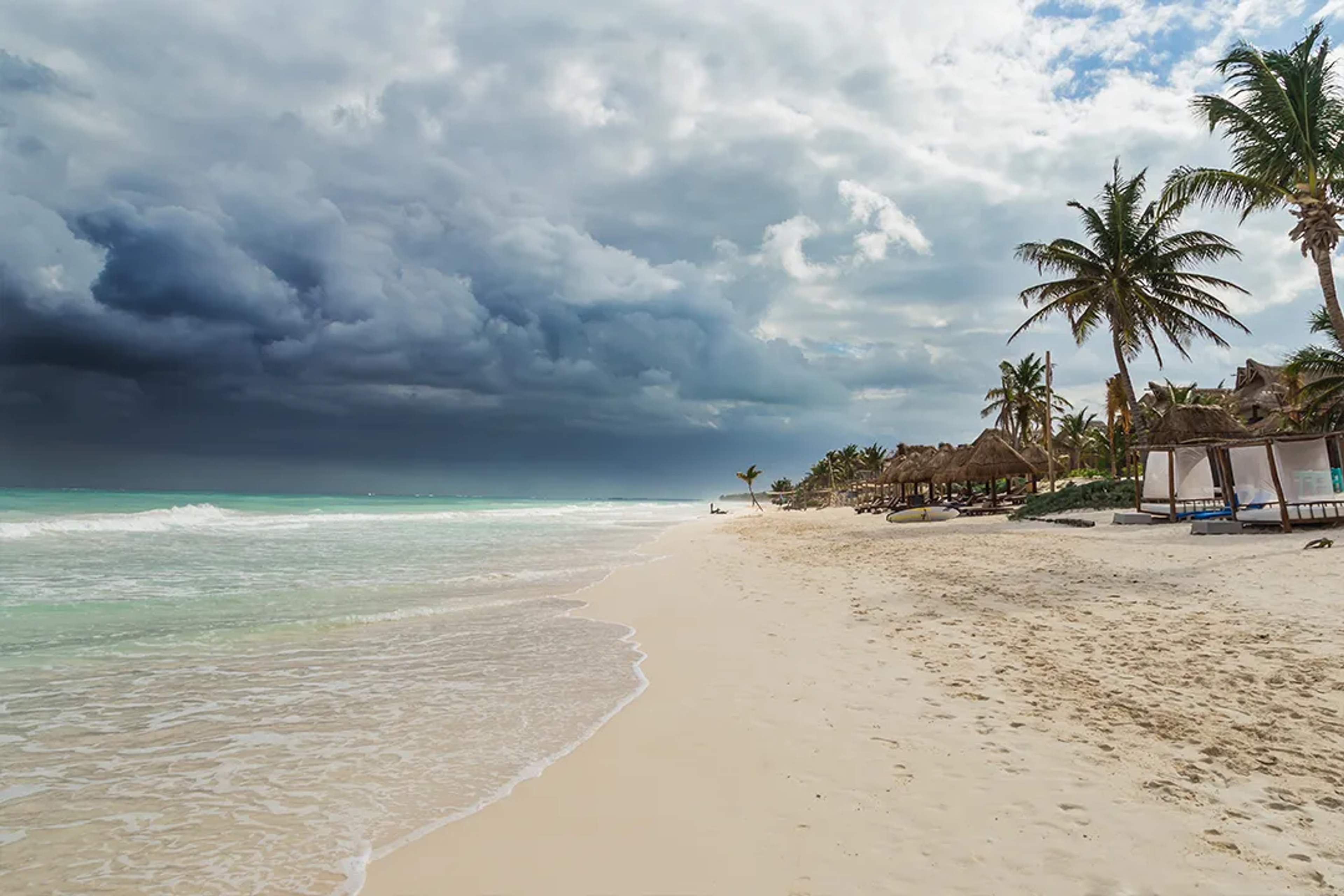
Hurricane season in Cancun and Riviera Maya doesn't have to be something to schedule your vacation around. The weather during this period can be pleasant and warm, with conditions varying significantly between months. Cancun's average temperature during hurricane season ranges from 80°F to 90°F (27°C to 32°C), with August typically the hottest month. During hurricane season, Cancun mornings are typically clear and sunny, with brief rain showers arriving in the late afternoon and usually lasting 10 to 20 minutes before clearing.
August brings extreme heat and humidity along with predictable afternoon and evening showers. Morning sunshine remains reliable, making it ideal for early excursions.
September marks the transition from summer to fall and represents the peak month for hurricane probability. Temperatures remain high, averaging in the low 80s. Rainfall averages around 9 inches spread across roughly 14 days. Travelers choosing September should maintain flexible itineraries.
October conditions remain warm with temperatures around 81 degrees. The month represents less hurricane activity than September while remaining officially low season with significantly reduced crowds and substantial pricing benefits compared to peak season.
How Safe Is Cancun During Hurricane Season?
Cancun is generally safe to visit during hurricane season. For a hurricane to significantly impact Cancun, it would need to make a direct hit—and since 2005, no hurricane has done so. Modern forecasting provides roughly seven days of advance warning for significant storms, giving time to adjust plans.
Additional strategies include monitoring weather forecasts through the National Hurricane Center website, scheduling major outdoor activities for reliable morning hours, and prioritizing weather-resistant activities like underground cenotes.
For broader safety considerations beyond weather, read the complete guide on whether Cancun is safe.
Is It Worth Going to Cancun in September?
September represents the peak month for hurricane probability, but it also offers the deepest discounts. Hotel rates typically run 30-50% lower than December through March, and flights often follow similar patterns. Travelers who maintain flexible itineraries and secure comprehensive trip insurance can stretch their budget significantly further while experiencing major attractions without crowds.
The trade-off is real weather risk—September sees the highest storm probability of any month—but modern forecasting provides roughly seven days of advance warning for significant systems.
Should I Visit Cancun in October?
October strikes a balance between value and weather stability. Hurricane probability drops compared to September while pricing remains at low-season levels. Temperatures hover around 81 degrees, and the predictable pattern of clear mornings and brief afternoon showers holds steady.
For travelers who want hurricane season benefits with reduced weather risk, October represents the sweet spot.
What Are the Crowds Like During Hurricane Season?
Hurricane season offers distinct advantages for travelers who prioritize fewer crowds over weather certainty. Major attractions see significantly fewer tourists, and cenotes experience considerably less crowding, enabling more intimate experiences.
Because school typically resumes by August and September, families with children largely disappear from the tourism mix. The reduced crowds mean more personalized service at hotels and on tours. For couples seeking romantic getaways or active travelers wanting immersive experiences, the reduced crowds can transform a standard trip into something exceptional.
Best Activities During Hurricane Season
Not all activities respond equally to rainy season conditions. Understanding which experiences thrive during this period—organized from most weather-resistant to most weather-sensitive—makes planning significantly easier.
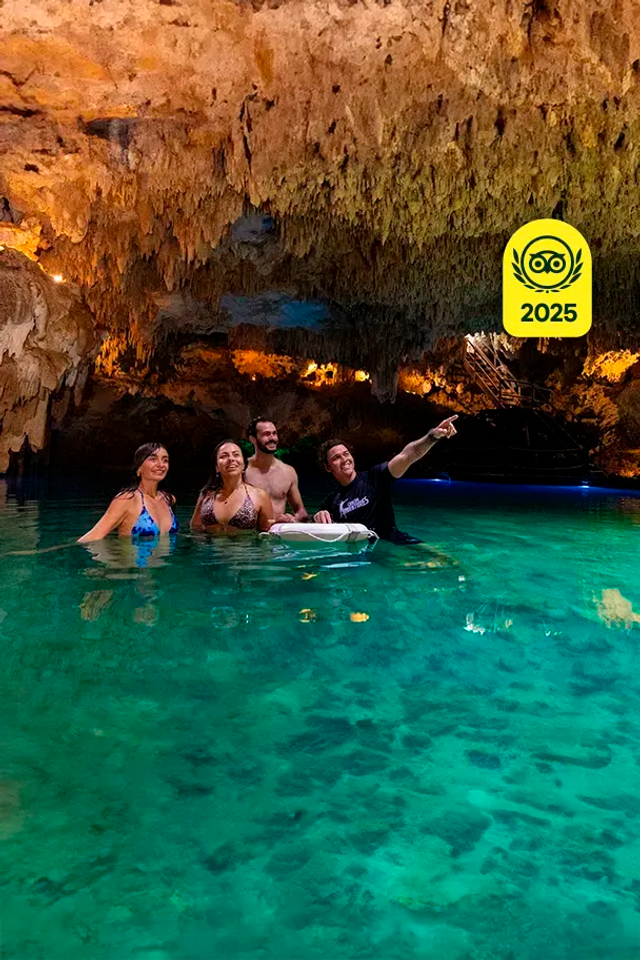
Cenotes remain excellent during rainy season with minimal weather impact. These underground sinkholes benefit from natural limestone filtration that protects them from direct surface runoff. While rain can cause slight visibility reductions, the impact is minimal compared to the advantages: fewer crowds, comfortable temperatures, and higher water levels.
Underground and semi-enclosed cenotes offer the most reliable conditions, and the Cenote Cave & Yal Ku Lagoon tour takes you into cave formations filled with stalactites and stalagmites—exactly the sheltered environment that performs best when afternoon showers roll through.
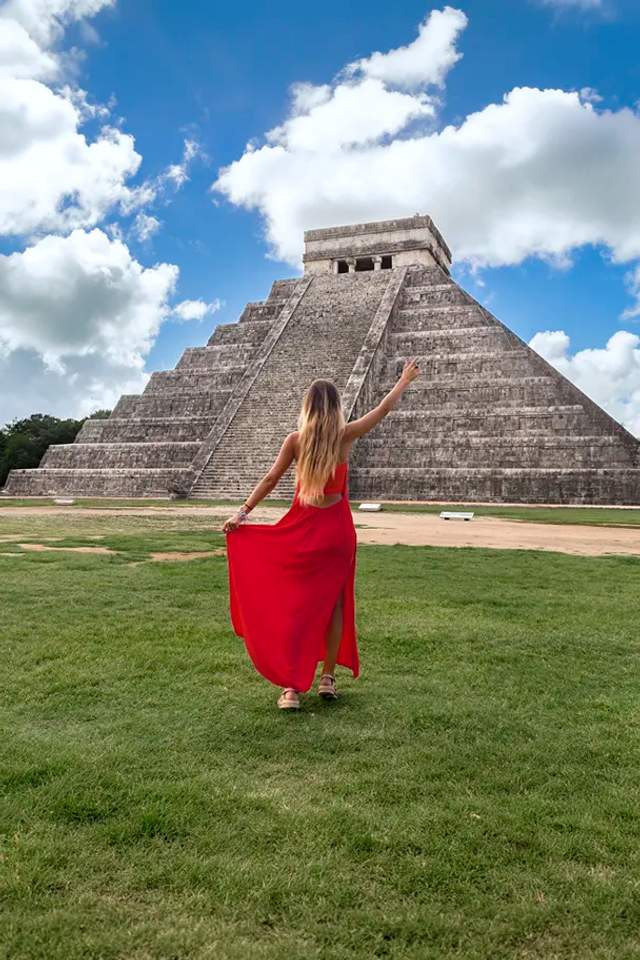
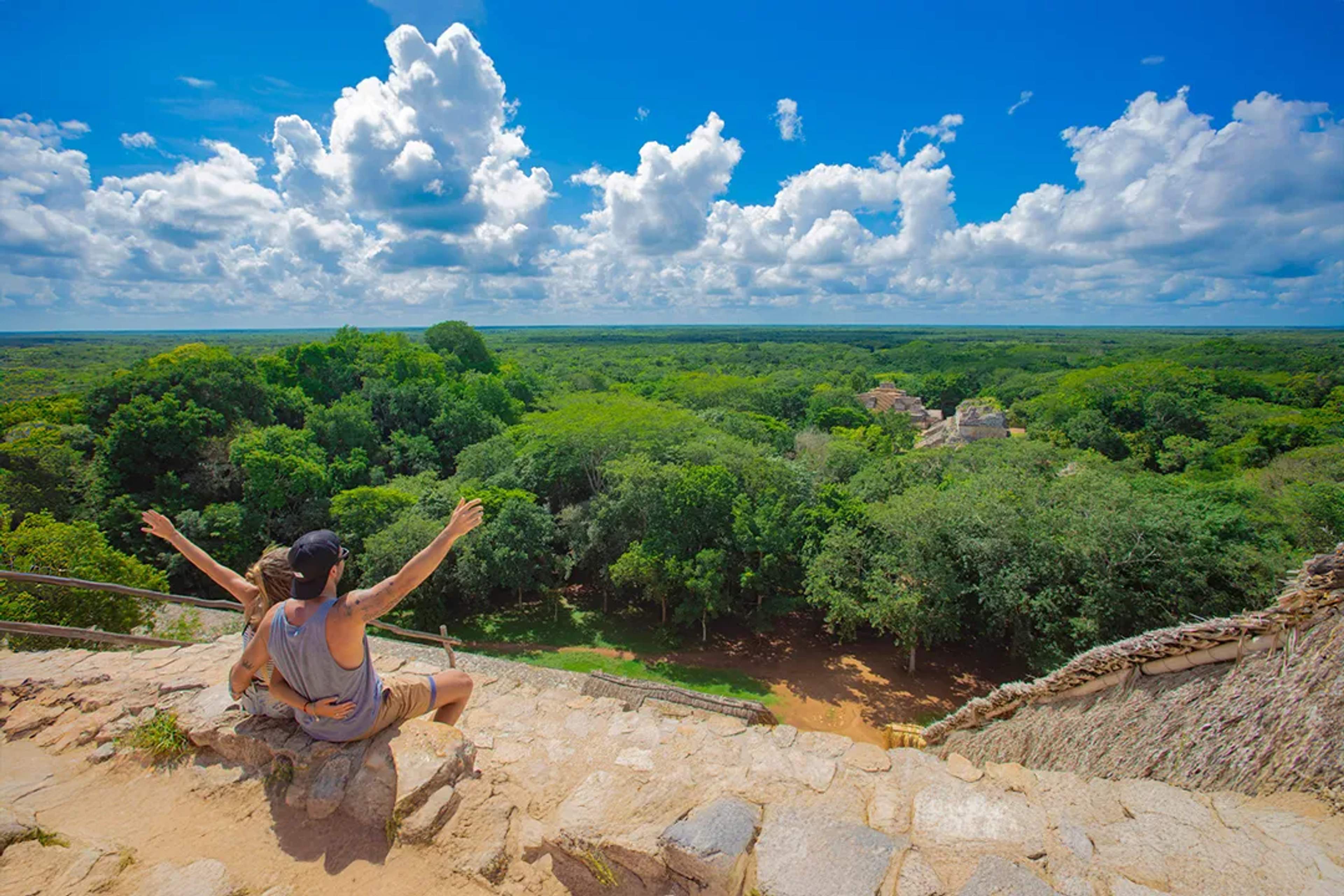
Archaeological ruins remain accessible with strategic morning timing. Early visits to Chichen Itza, Tulum, or Ek Balam capitalize on predictable weather patterns—clear mornings transitioning to brief afternoon showers.
The Chichen Itza Tour departs in the morning and includes hotel pickup with air-conditioned transport, solving the rain logistics that make self-drive visits more complicated during hurricane season.
For travelers seeking even quieter ruins, the Ek Balam Ruins tour offers an alternative that draws far fewer visitors year-round—during low season it becomes practically empty. Ek Balam's jungle setting provides more shade than open-air sites like Chichen Itza, and the tour includes a cenote swim and a stop in the colonial town of Valladolid.
Muddy trails and wet conditions create challenging terrain through the Mayan jungle, attracting participants who enjoy the adventure. The Cancun ATV Adventure puts you on Can-Am Outlander 4x4 ATVs built for these conditions, with jungle trails leading to a cenote swim and a stop in Puerto Morelos. Rain transforms these trails from dusty paths into genuine off-road terrain—conditions that make the experience more memorable rather than less.
Wildlife experiences peak during summer months, making them hurricane season's strongest draw. Whale shark season runs from June 1st through September 15th, with these gentle giants gathering in warm Caribbean waters off Isla Mujeres and Holbox.
The Swimming with Whale Sharks tour provides snorkeling gear, bilingual guides, and lunch—a complete day built around an encounter that simply doesn't exist during peak winter travel months.
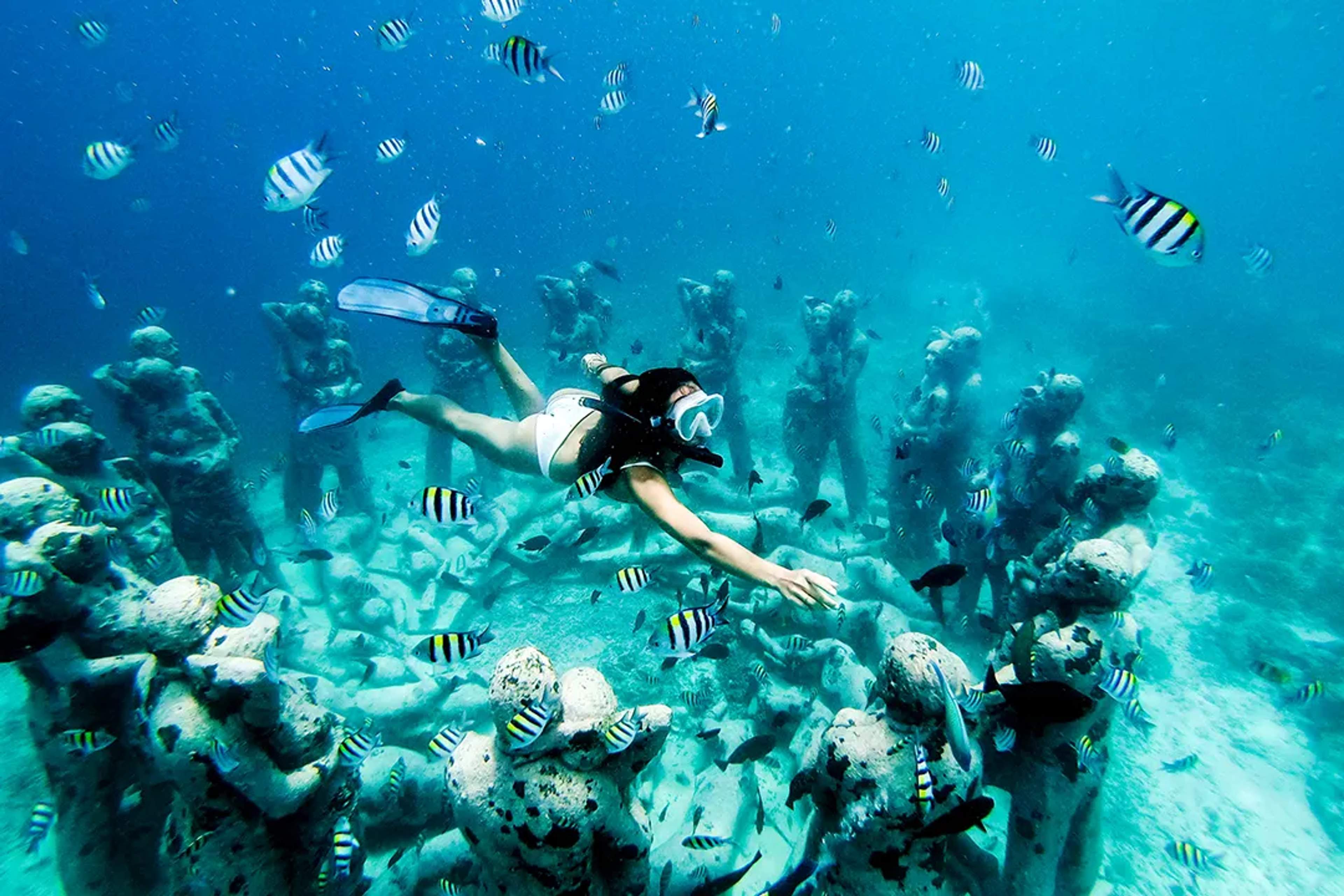
Sea turtle nesting season at Akumal runs May 1st through October 31st, and the Tulum, Turtles & Cenote tour pairs Akumal snorkeling with a cenote swim and lunch at Punta Venado Beach Club. These seasonal wildlife windows overlap almost perfectly with hurricane season, offering experiences unavailable to travelers who visit during "perfect weather" months.
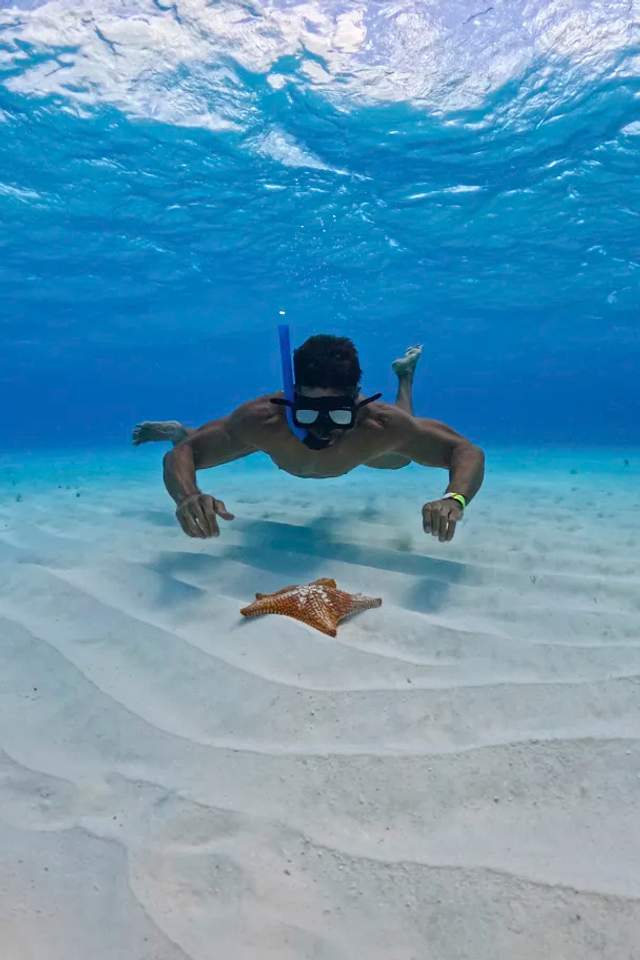
Ocean activities require the most flexibility. Sailing and catamaran tours face higher weather sensitivity and may be rescheduled during storms. Snorkeling visibility can diminish during the rainy season at ocean sites, though protected snorkeling environments like cenotes maintain excellent visibility throughout the season.
When weather forces a cancellation, Cancun Adventures offers rescheduling for an alternative date during your stay or a full refund. Building buffer days into your itinerary allows for rescheduling if conditions require it.
What to Pack for Hurricane Season
Proper preparation transforms hurricane season from a concern into a manageable variable. Essential items include:
Lightweight waterproof shell that takes minimal luggage space
Waterproof daypack to protect belongings during sudden downpours
Waterproof phone pouch that keeps your device accessible while swimming or during rain
Water shoes for wet conditions
Quick-dry clothing and multiple swimsuits to ensure dry options after unexpected rain
Mosquito repellent for increased activity following rainfall
Portable phone charger for backup during occasional power fluctuations that can accompany storms
Sun-protective clothing like rash guards and wide-brimmed hats (since cenotes prohibit chemical sunscreens to protect their ecosystems)
Planning Your Hurricane Season Trip
Hurricane season rewards travelers who value experience quality over weather certainty. With the right preparation and mindset, this time of year reveals a side of the Mexican Caribbean that most visitors never see—quieter, more affordable, and filled with wildlife encounters that simply aren't possible during peak season.
The turquoise waters, ancient ruins, and stunning cenotes await. Ready to start planning your adventure? Browse Cancun and Riviera Maya tours to find the perfect experiences for your trip.