A trip to Cancun rewards you with turquoise waters, ancient ruins, and tropical adventures, no matter when you arrive. Every month offers beautiful days in this tropical paradise, though the best time to travel depends on what you're looking for: perfect beach weather, budget-friendly rates, a more relaxed atmosphere, or extraordinary wildlife experiences.
This guide breaks down what experienced travelers love about each season so you can maximize your time in the Mexican Caribbean.
Best Time to Visit Cancun for Good Weather
Cancun's dry season runs from December through April, delivering the most reliable beach weather. Skies stay predominantly blue, humidity drops to comfortable levels, and rainfall becomes significantly reduced. Temperatures hover in the low-to-mid 80s, and ocean waters remain warm enough for swimming.

January and February represent the best months for those prioritizing beach conditions, with average highs around 82-84°F and minimal chance of rain. Water temperatures remain comfortable year-round, ranging from 78-84°F depending on the season.
Late April through early May offers favorable conditions that many seasoned visitors consider the hidden gem of Cancun weather: warm without being oppressive, far less busy than winter peak, and significant savings off peak pricing.
The summer and fall months bring afternoon showers, but these tropical downpours rarely ruin a vacation. Brief bursts typically last ten minutes to two hours, followed by clearing skies. Mornings usually stay sunny, making early morning beach time ideal during summer months.
Best Time to Visit Cancun for Lower Prices
If a quieter atmosphere and lower prices matter more than guaranteed sunshine, two shoulder windows stand out: late April through early June, and early-to-mid November.
Late April through early June represents the optimal post-spring break window. Visitor numbers drop and prices decrease significantly from peak rates. You'll find shorter lines at archaeological sites and easier restaurant reservations throughout the Riviera Maya.
November offers another excellent window. Rainfall decreases significantly, and hurricane season winds down. Early November coincides with Día de los Muertos celebrations (November 1-2), a chance to witness authentic Mexican traditions.
September and October offer the lowest prices for budget-conscious travelers willing to monitor forecasts and purchase comprehensive travel insurance.
When Is Hurricane Season in Cancun
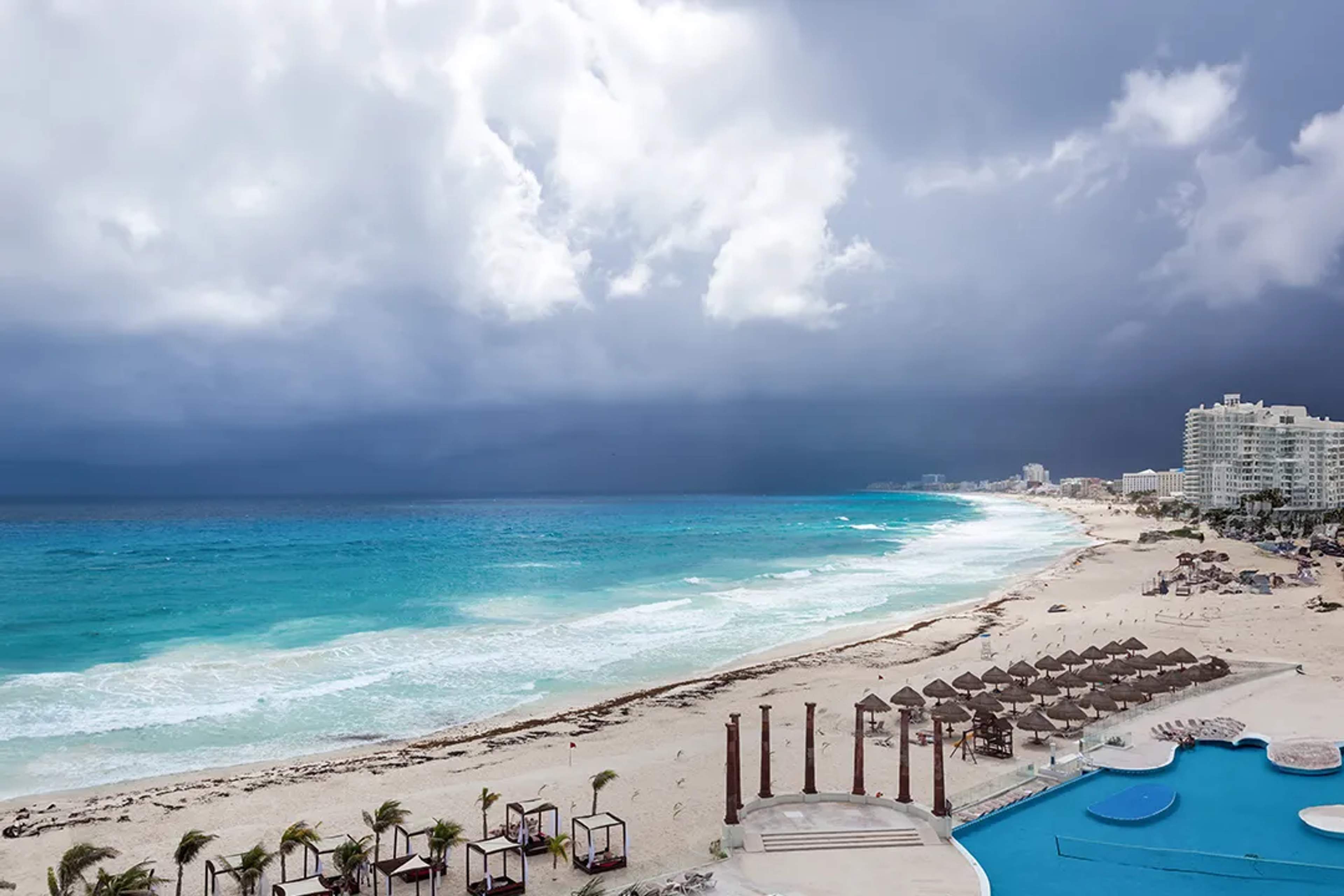
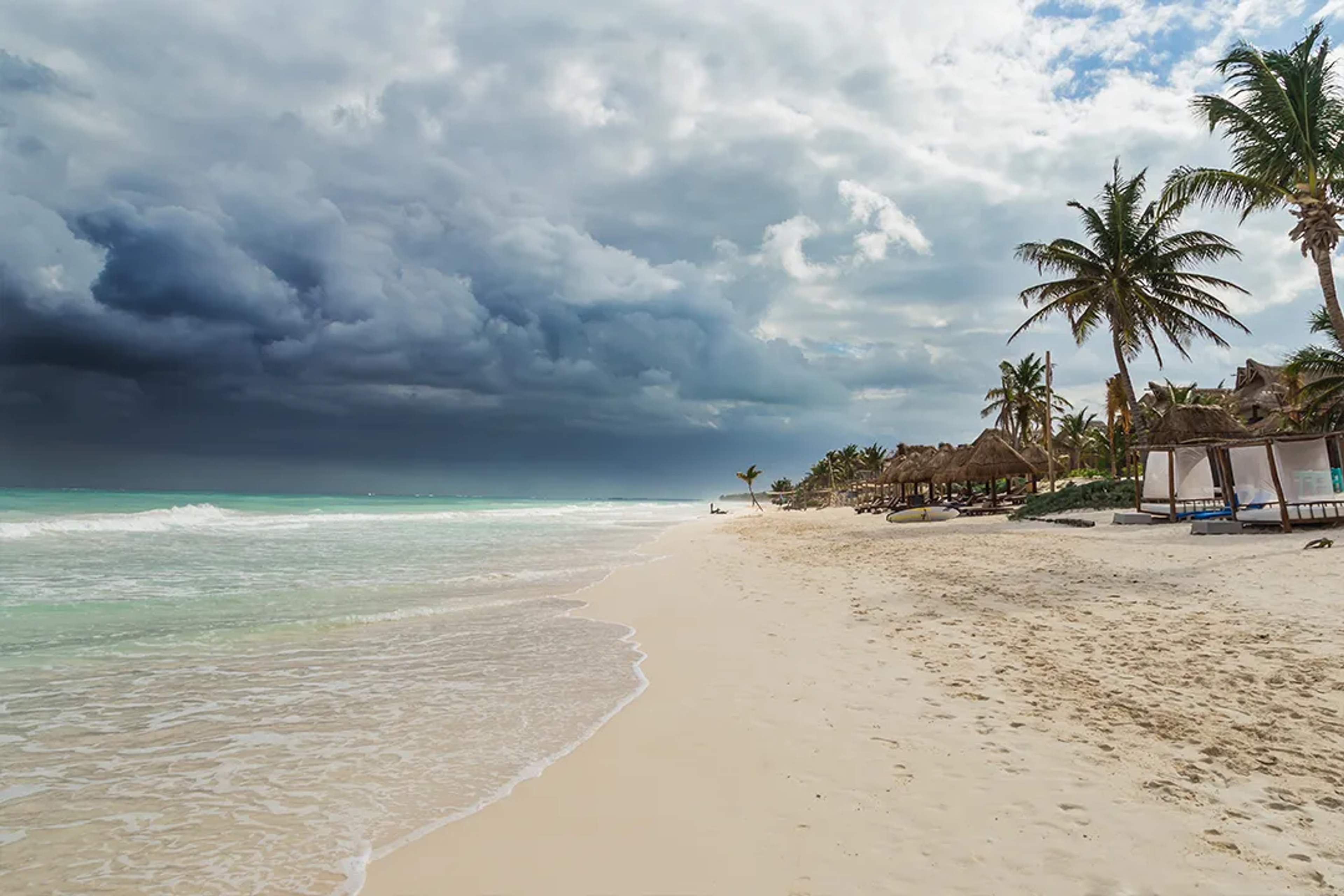
The actual risk to travelers is statistically low, and the region's hotels maintain established hurricane protocols with certified refuges capable of housing guests through major storms. Hurricane season officially runs June 1 to November 30, with August through October representing the peak risk period.
If a storm approaches during your trip, hotels communicate through multiple channels including in-room notices, front desk announcements, and mobile alerts. Modern forecasting typically provides 3-5 days of advance warning, giving travelers adequate time to adjust plans.
What to Know About Cancun Seaweed Season
Sargassum seaweed typically accumulates along Caribbean beaches from April through August, with peak arrival in May and June. Quantities vary year to year.
Hotels invest heavily in beach management and cleanup. Early morning beach visits provide the best conditions before new seaweed arrives.
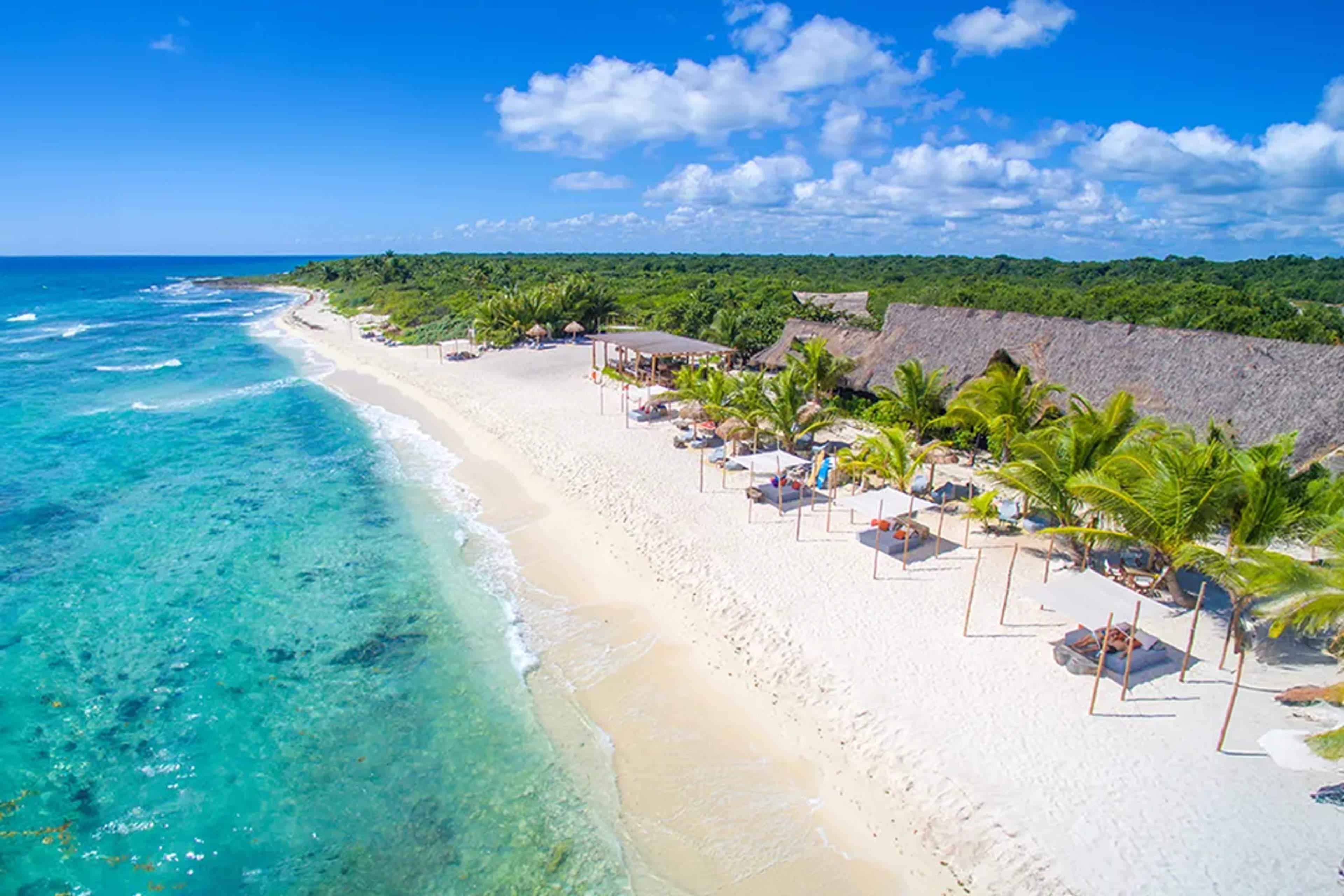
The most reliable escape involves heading to the islands. Isla Mujeres, particularly Playa Norte, benefits from geographic positioning that shields it from incoming seaweed. Cozumel's west coast beaches enjoy similar protection, as do northern sections of Cancun's Hotel Zone.
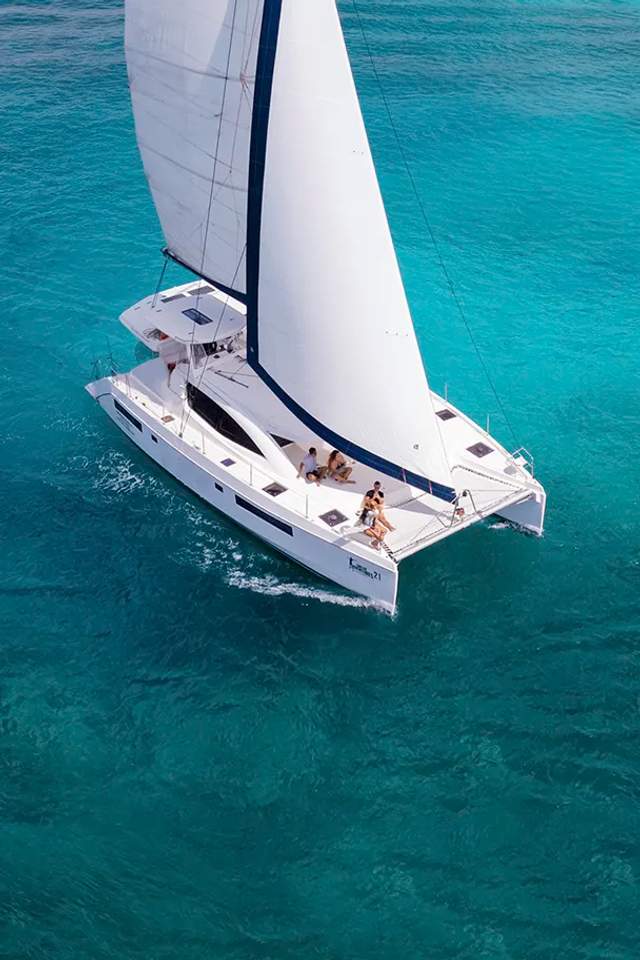
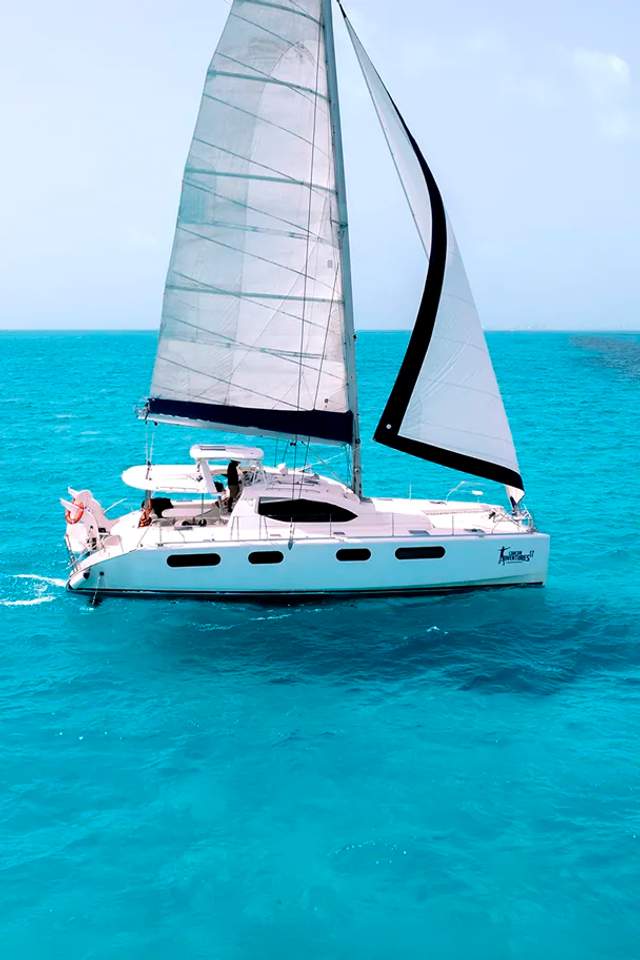
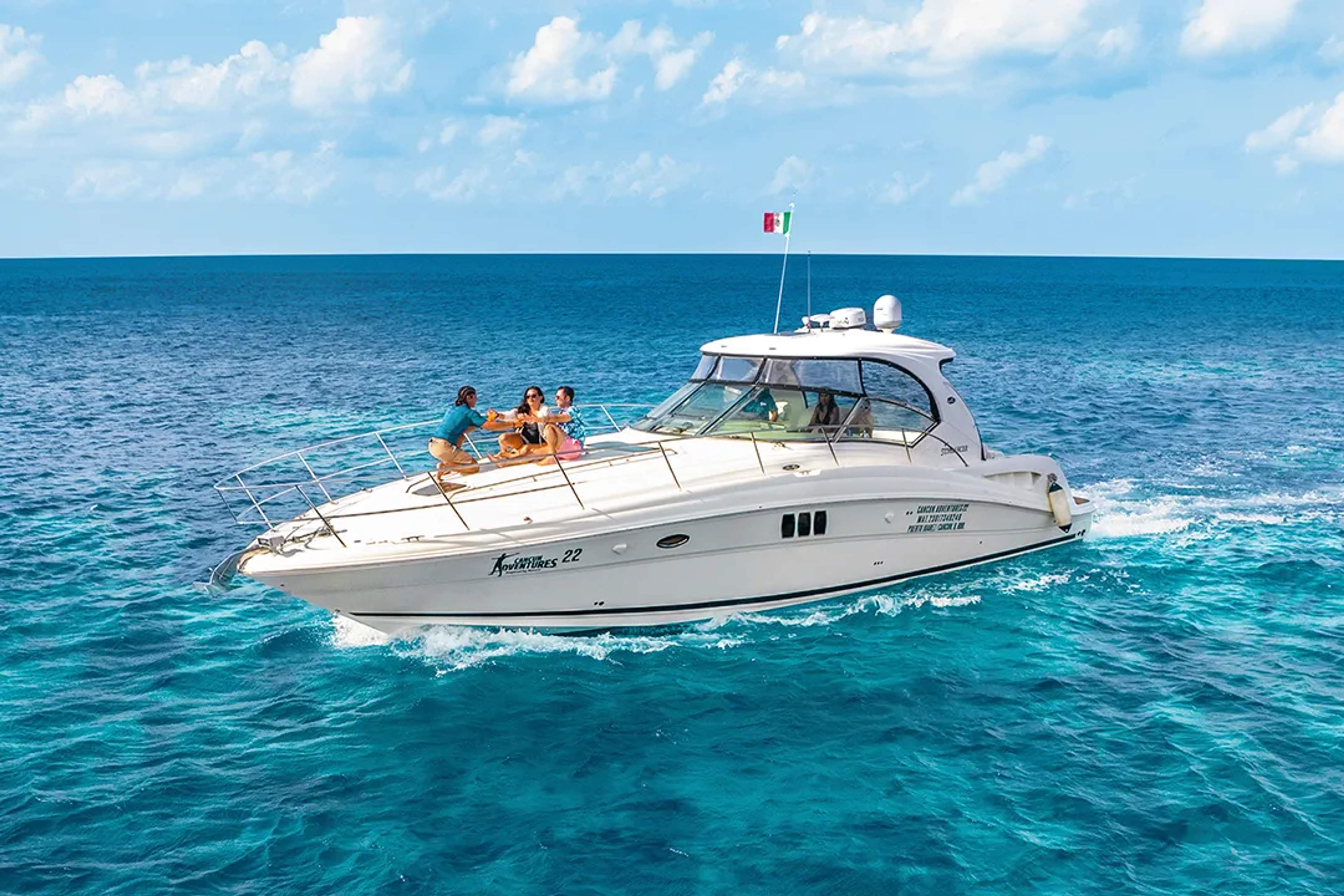
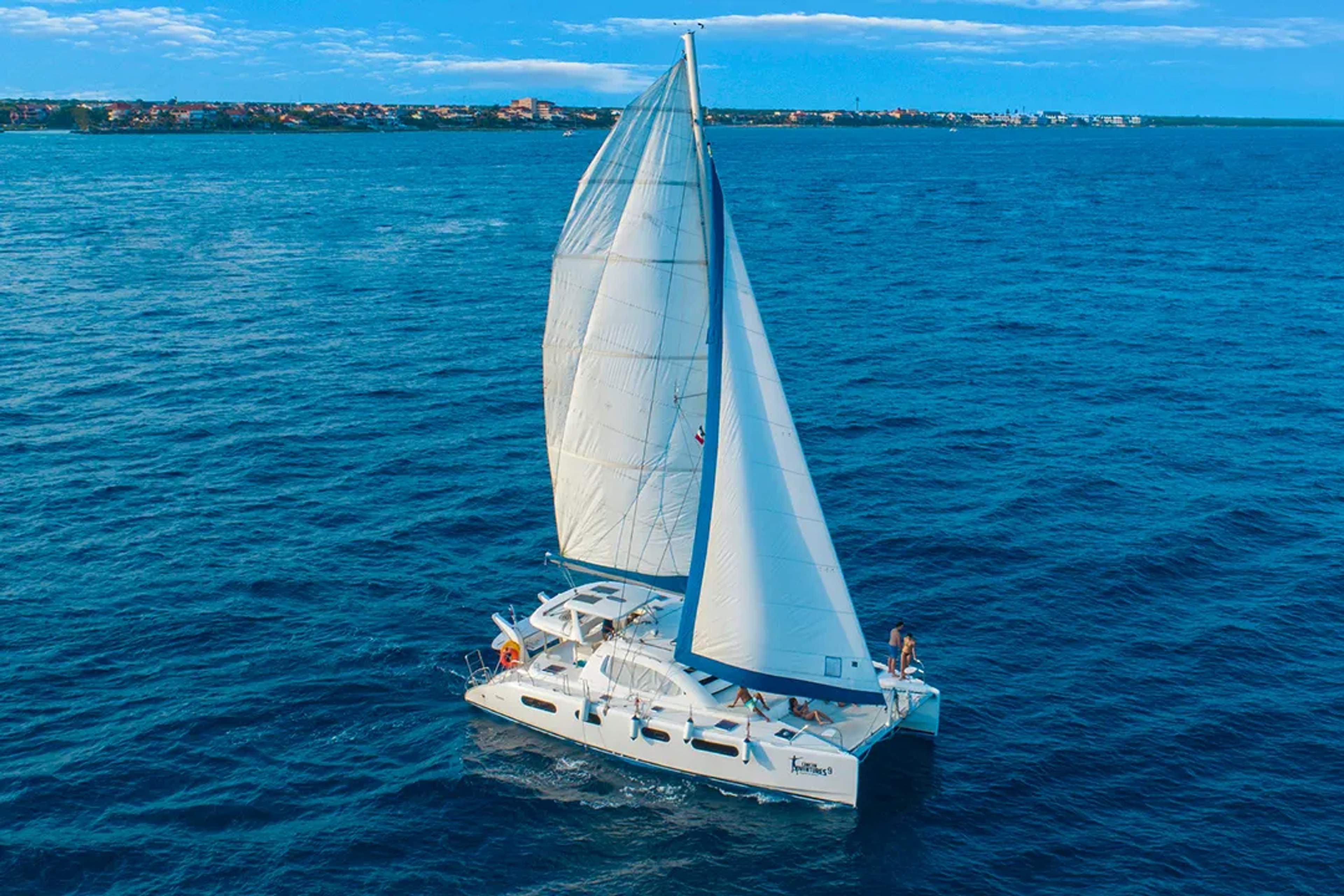
Pristine white-sand beaches await regardless of mainland sargassum conditions when you sail to the islands. The Isla Mujeres Luxury Sailing tour handles the logistics: catamaran sailing, snorkeling, gourmet lunch with open bar, and free time on the island.
The fact is that sargassum is present year-round, although in varying quantities. You’re likely to find it on all public beaches and islands throughout the year. The difference is that sometimes it’s managed and controlled by hotels, while at other times it may be impossible to completely avoid, but it is always there.
Best Time to Swim with Whale Sharks in Cancun
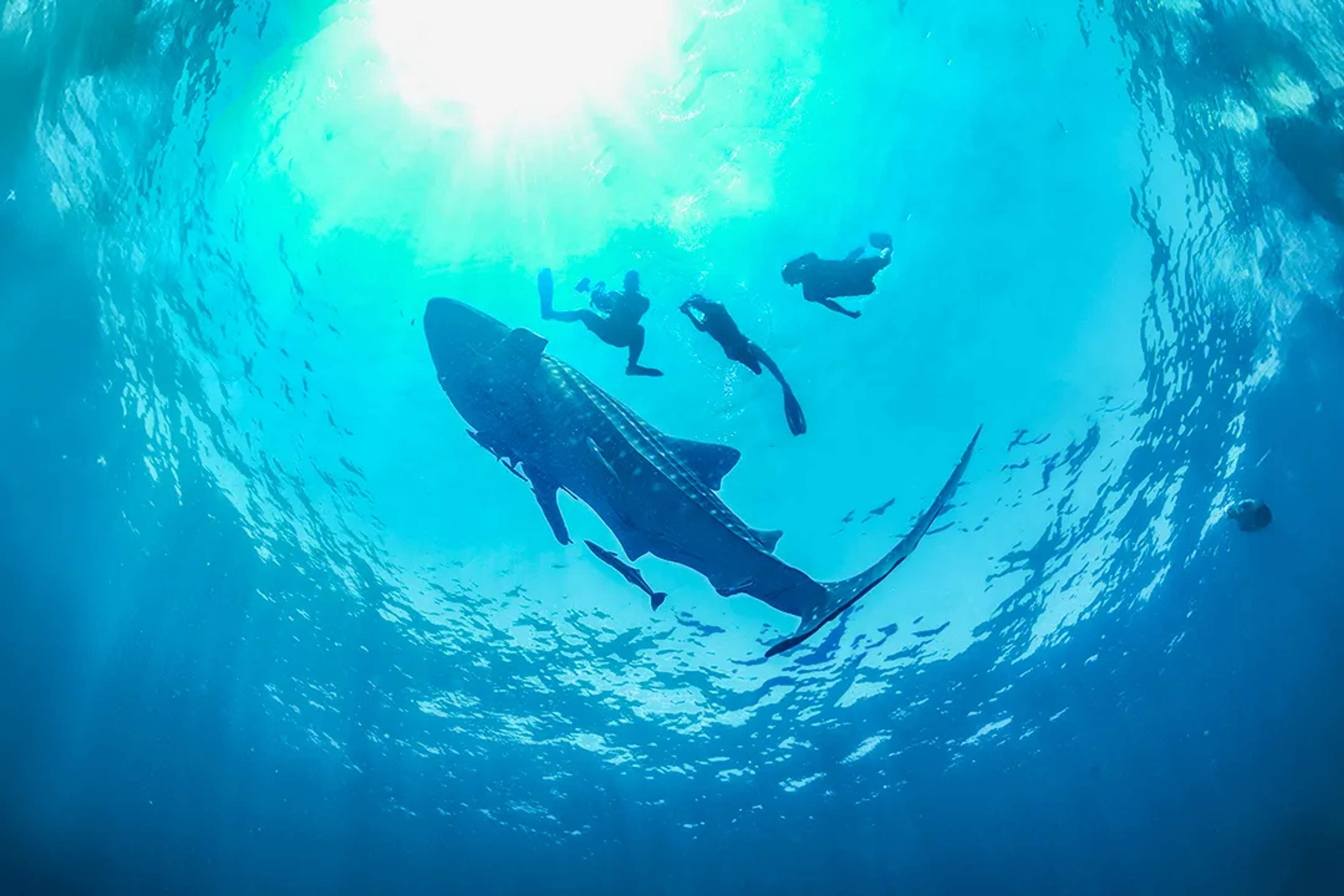
The waters off Cancun and Isla Mujeres host the world's largest documented whale shark aggregation. The season runs June through mid-September, with peak sightings in July-August when massive plankton blooms attract these filter-feeding giants.
Swimming alongside these magnificent creatures, the world's largest fish, represents one of the most extraordinary wildlife experiences available anywhere. Whale sharks are classified as Endangered, and viewing requires adherence to strict conservation guidelines: maintaining distance, never touching or feeding them, and respecting their natural feeding behavior.
The Swimming with Whale Sharks experience operates seasonally with small groups and expert bilingual guides.
What to Do in Cancun in Every Season
Winter: December Through February
Winter delivers Cancun's most reliable weather. Temperatures top out in the low 80s with minimal humidity, making these months ideal for beach days, boat tours, and discovering archaeological sites without overheating.
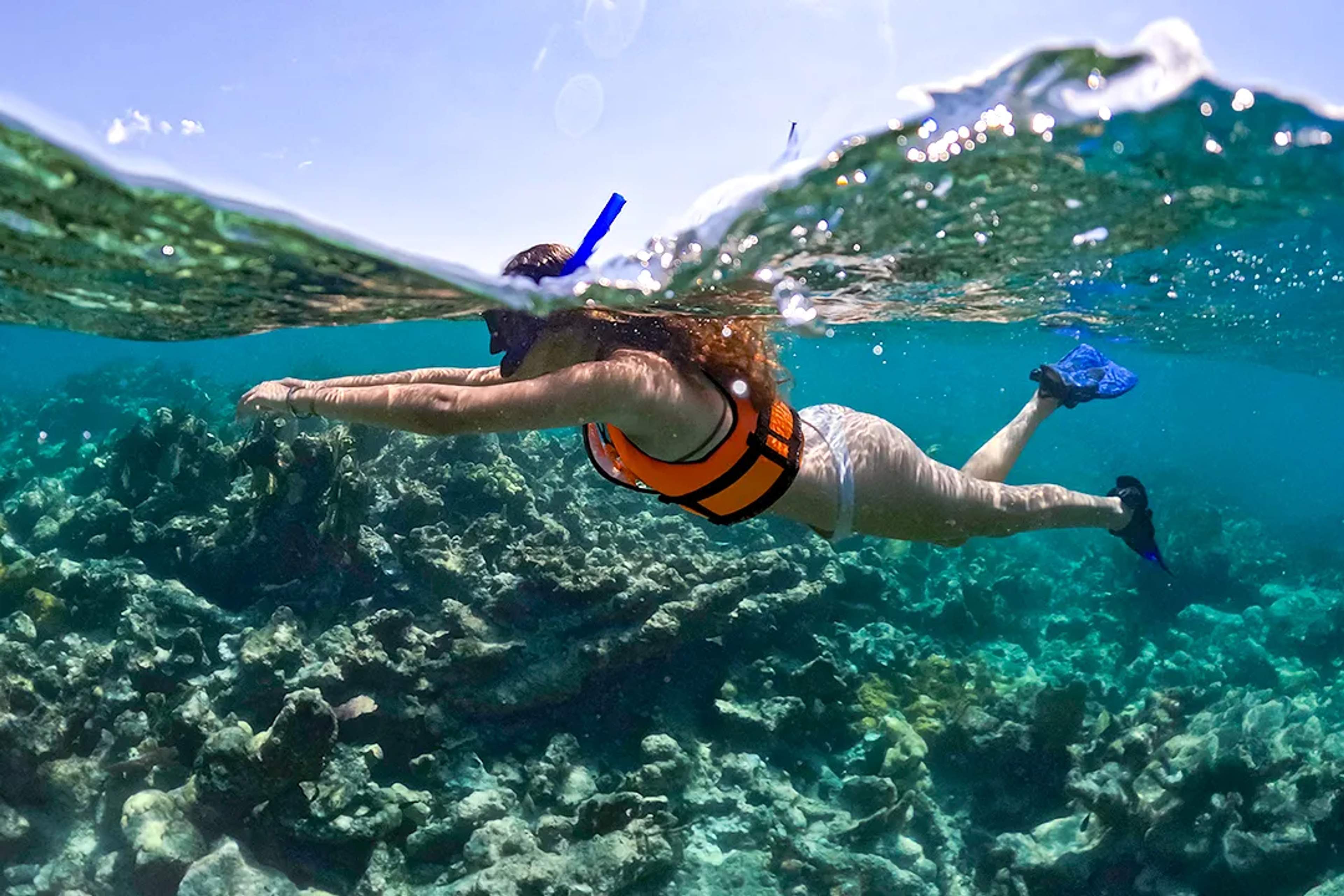
The calm winter seas create ideal conditions for water activities, from sailing excursions to snorkeling trips. Visibility reaches its peak during these months, making underwater discovery particularly rewarding.
Watching a Caribbean sunset from a catamaran deck, open bar in hand, transforms the golden hour into an experience. The Cancun Sunset Cruise departs from the Hotel Zone and delivers exactly this atmosphere.
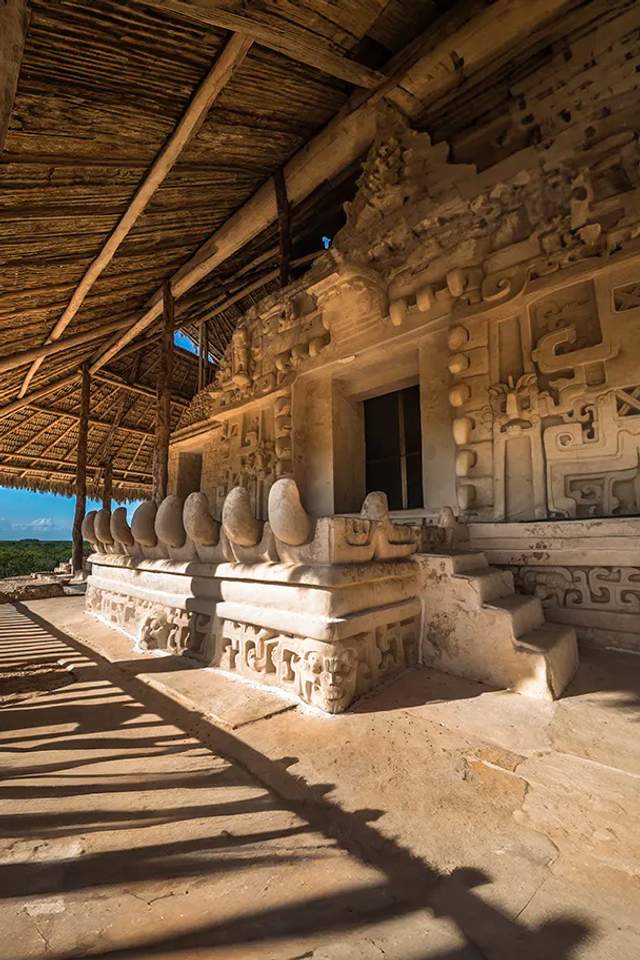
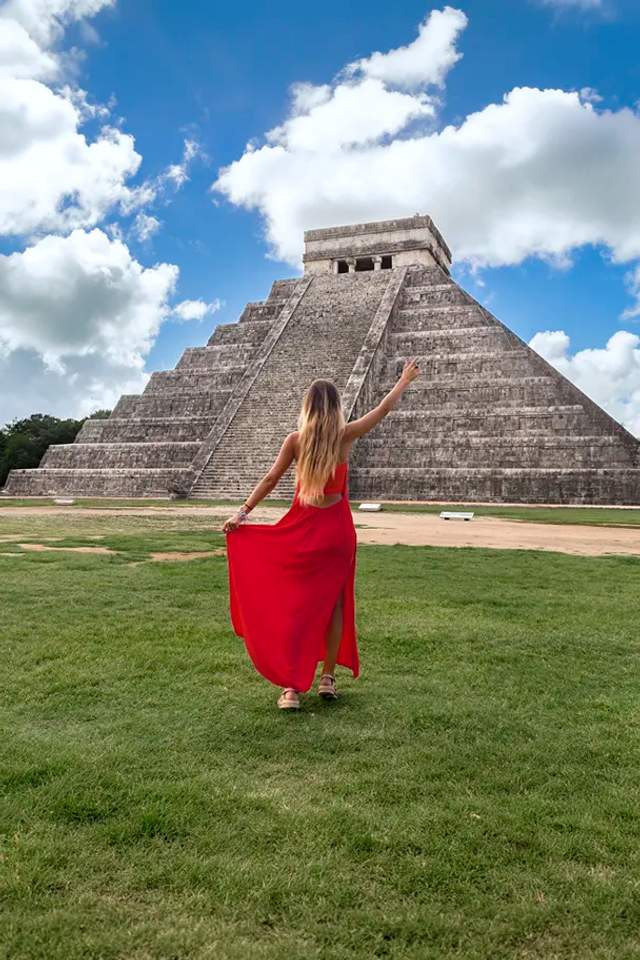
Winter's mild temperatures make inland excursions particularly enjoyable. The Chichén Itzá and Cenote Tour pairs guided discovery of the ancient Maya capital, one of the New Seven Wonders, with a refreshing cenote swim and traditional Yucatecan lunch.
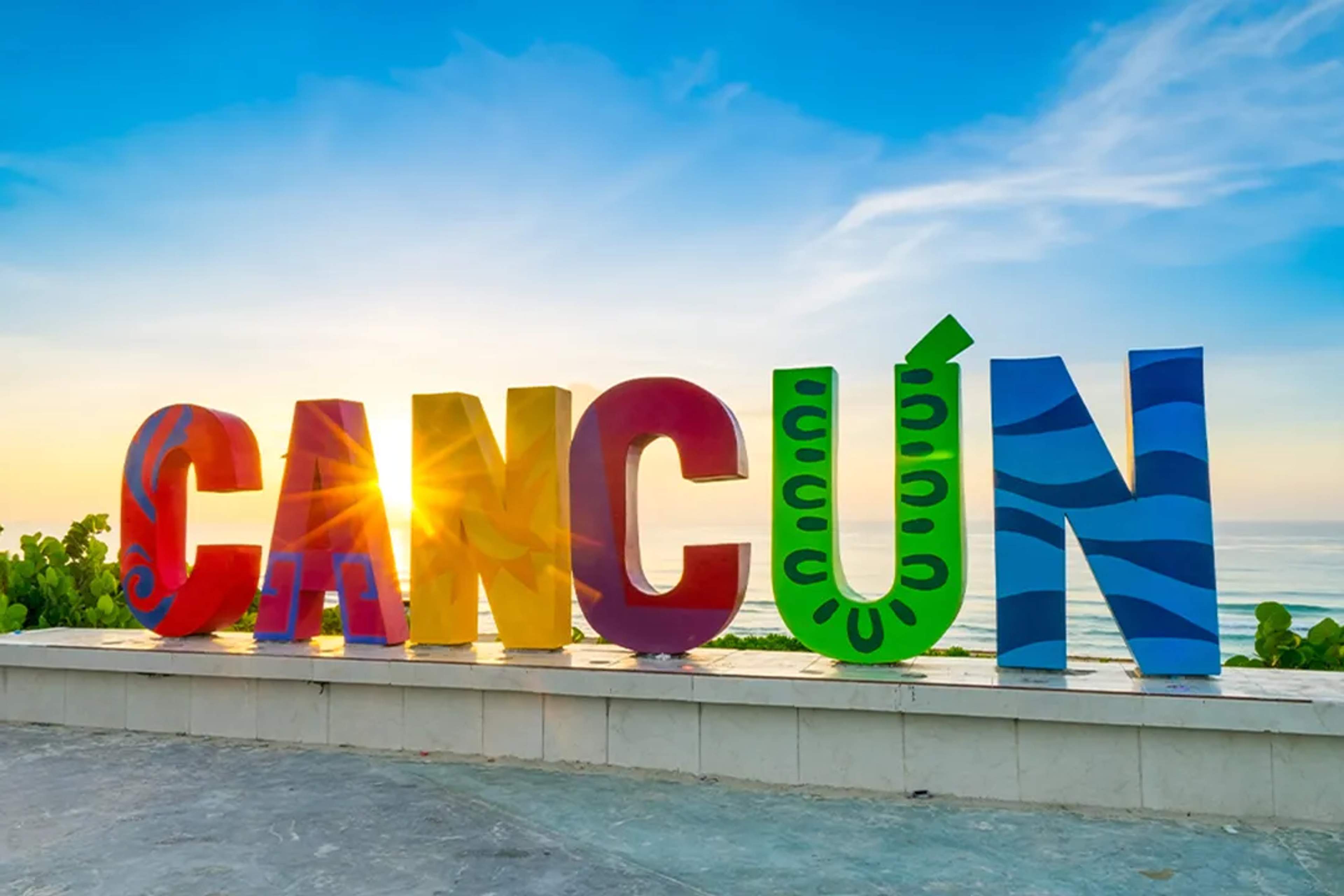
For zero-cost activities, Playa Delfines offers Cancun's best free public beach with the iconic "Cancun" sign and shaded palapas. In the evenings, stroll the Malecón Tajamar for stunning sunset views over the lagoon, completely free and far from the busier tourist areas.
Spring: March Through May
Late April through early May offers an optimal window with significant savings and a more relaxed atmosphere.
The spring equinox (March 20-21) creates a unique opportunity at Chichén Itzá, where the setting sun casts shadows down El Castillo's staircase, creating the illusion of the feathered serpent deity Kukulkán descending to earth. Thousands gather to witness this phenomenon, creating an electric atmosphere of cultural celebration mixed with archaeological wonder.
While in the area, discover downtown Cancun's local food vendors serving authentic Mexican street food at a fraction of Hotel Zone prices, a free cultural experience that connects you with everyday Cancunense life.
May marks sea turtle nesting season along the Riviera Maya. The Tulum, Turtles & Cenote tour combines Tulum's clifftop ruins, sea turtle snorkeling in Akumal's protected bay, underground cenote swimming, and beachside lunch.
Summer: June Through August
Summer brings the warmest temperatures and occasional afternoon showers. The real draw is world-class wildlife: whale shark season peaks July-August, and sea turtles continue nesting through summer.
The warm waters make swimming and snorkeling particularly inviting. Cenote swimming becomes especially refreshing during hot summer days; these underground sinkholes maintain consistently cool temperatures year-round, offering a welcome escape from the midday heat.
For a free beach escape away from the busier Hotel Zone, head north to Isla Blanca, a pristine stretch of sand popular with locals but virtually unknown to tourists.
Fall: September Through November
Fall offers excellent value with lower prices and pleasant weather. November is particularly appealing as hurricane risk drops sharply and rainfall decreases. Temperatures remain pleasant with highs in the low 80s and moderate humidity.
Fall brings exceptional conditions for cenote discovery: warm water temperatures, fewer visitors, and magical light filtering through jungle canopy. Archaeological sites like Cobá and Ek Balam offer intimate experiences, allowing you to wander ancient temple complexes and jungle paths in relative solitude.
Día de los Muertos (November 1-2) transforms the region with elaborate altars, marigold flowers, and candlelit cemetery vigils honoring deceased loved ones. This is an authentic Mexican tradition that welcomes respectful visitors into profound cultural moments.
The Cancun Maya Museum offers a budget-friendly cultural experience, with an exterior sculpture garden showcasing Maya artifacts.
Sea turtle hatchlings emerge throughout fall, making their nighttime journey to the ocean.
No matter when you arrive, Cancun rewards travelers who venture beyond resort boundaries. Pack sun-protective clothing, purchase comprehensive travel insurance if traveling during hurricane season, and discover why the Mexican Caribbean captivates millions of visitors every year.
Frequently Asked Questions about the Best Time to Travel to Cancun

Is Cancun worth visiting during the rainy season?
Cancun remains a worthwhile destination during the rainy season from June through October. Afternoon showers typically last under two hours before clearing, leaving mornings and evenings perfect for beach activities and excursions. Many travelers appreciate the lower prices, warmer ocean temperatures, and unique wildlife opportunities like swimming with whale sharks.
The brief tropical downpours often provide welcome relief from the heat, and indoor attractions like cenotes and museums offer excellent alternatives during rain. Flexible travelers find excellent value during these months.
How does Cancun Adventures help visitors experience the best of each season?
Cancun Adventures operates year-round tours designed to showcase the region's highlights regardless of when you visit. From whale shark encounters in summer to archaeological expeditions in winter, each tour is led by bilingual guides who share local knowledge and handle all logistics including transportation and meals.
The team monitors seasonal conditions to ensure optimal experiences, whether that means timing cenote visits for the best light or selecting beaches with minimal seaweed. This local expertise helps travelers maximize their time in the Mexican Caribbean.
How far in advance should I book my trip to Cancun?
Booking 2-3 months ahead works well for most Cancun visits, though timing varies by season. Peak winter months from December through February and spring break in March fill up quickly, so securing flights and accommodations 3-4 months in advance ensures better availability and pricing. Shoulder season travel in late April through June or November allows more flexibility.
For seasonal activities like whale shark tours running June through September, book excursions at least 2-3 weeks before your trip since spots fill fast. Last-minute travelers can find deals during fall months when visitor numbers decrease.