Learn 10 new interesting facts about whale sharks, the sea’s gentle giants. We’re proud to introduce our welcomed guests to the wonders of the sea.
We are excited to share these 10 interesting facts about whale sharks – the friendly giants of the sea who love traveling through Cancun as much as our valued tourists do. In the spirit of the upcoming Yucatan whale shark season –from June to September– we are celebrating all the unique aspects of the world’s most giant sharks with these fun tidbits of information.
How big are whale sharks?
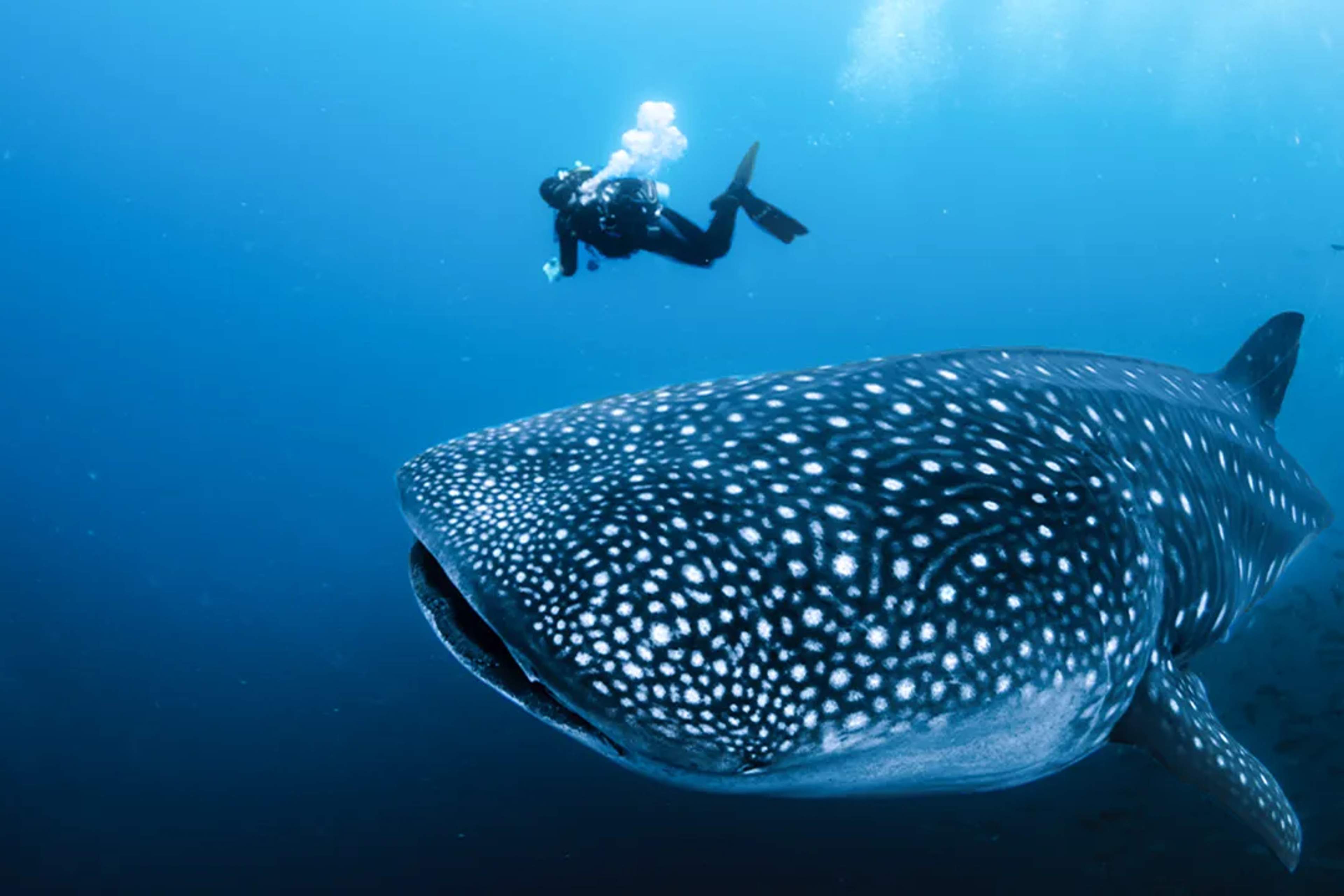
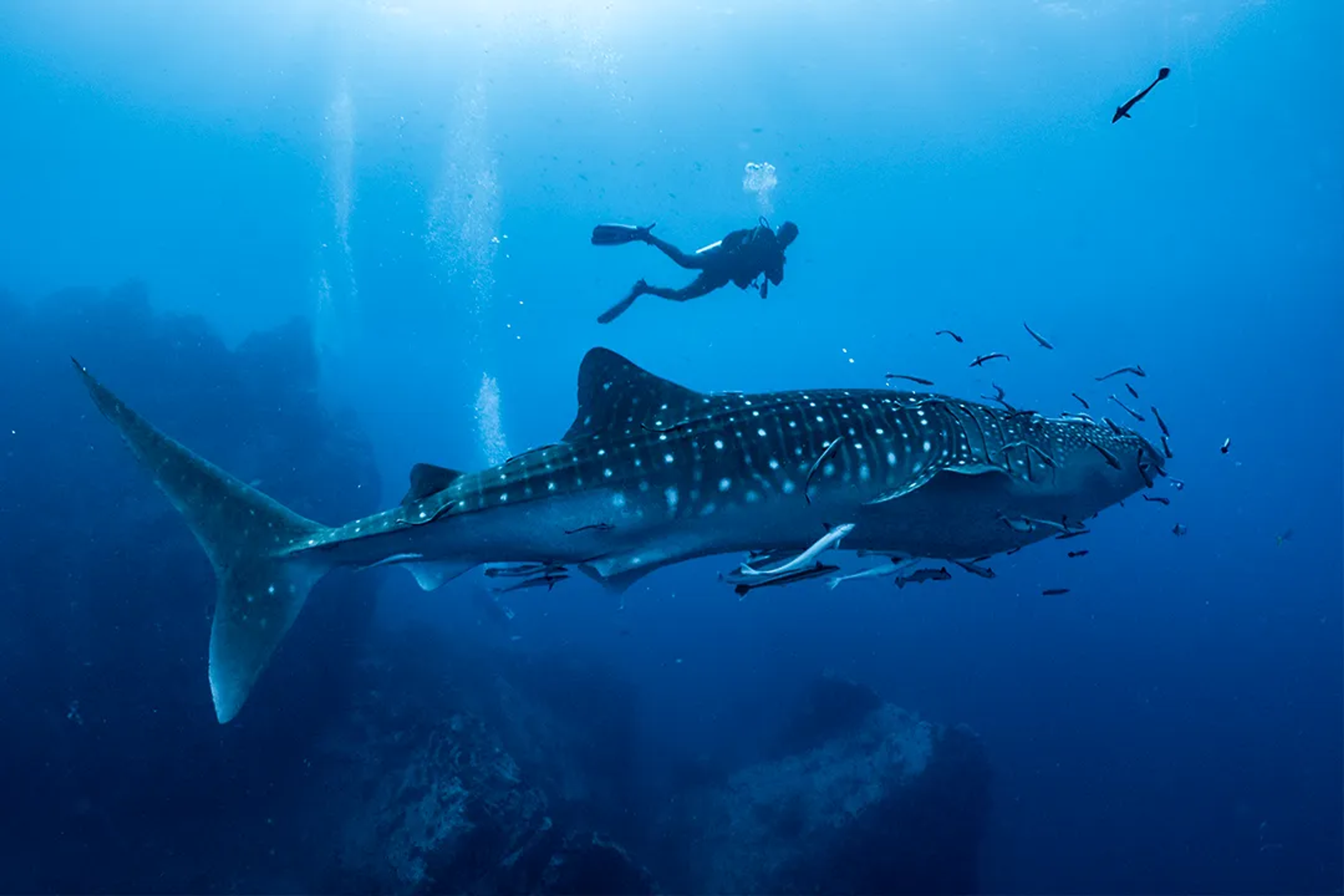
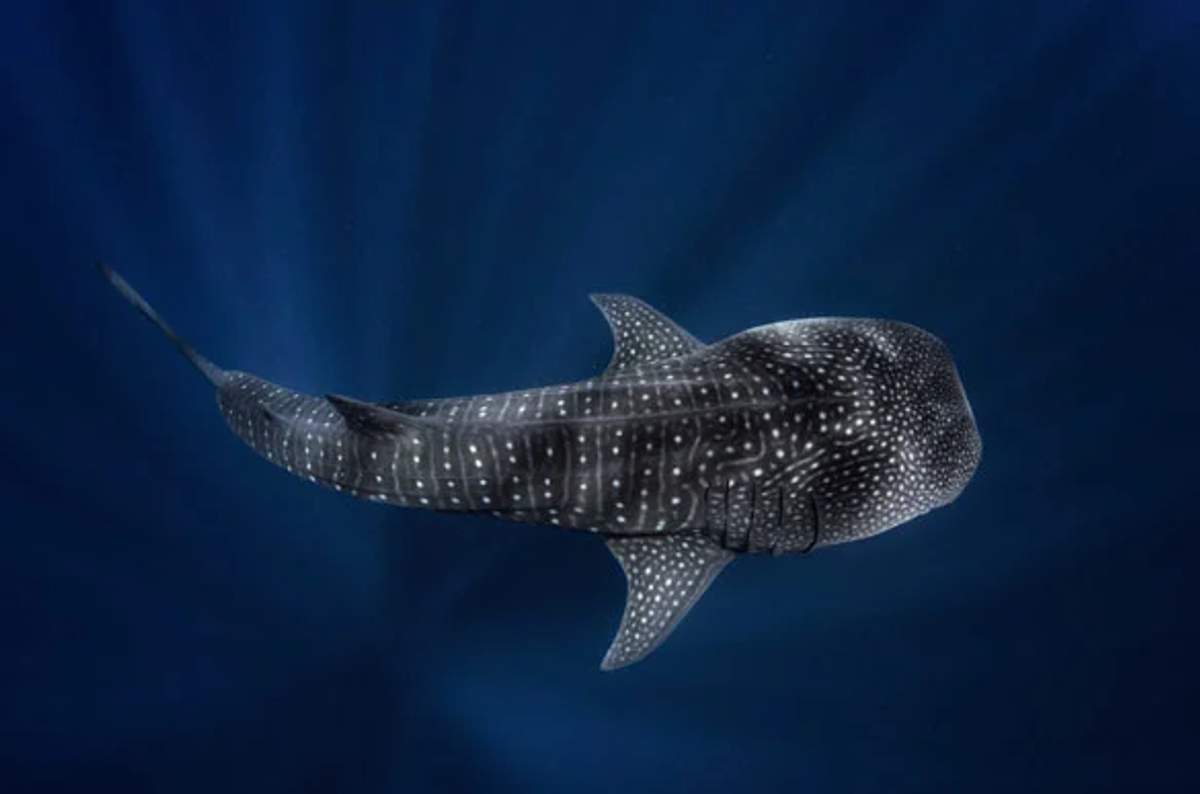
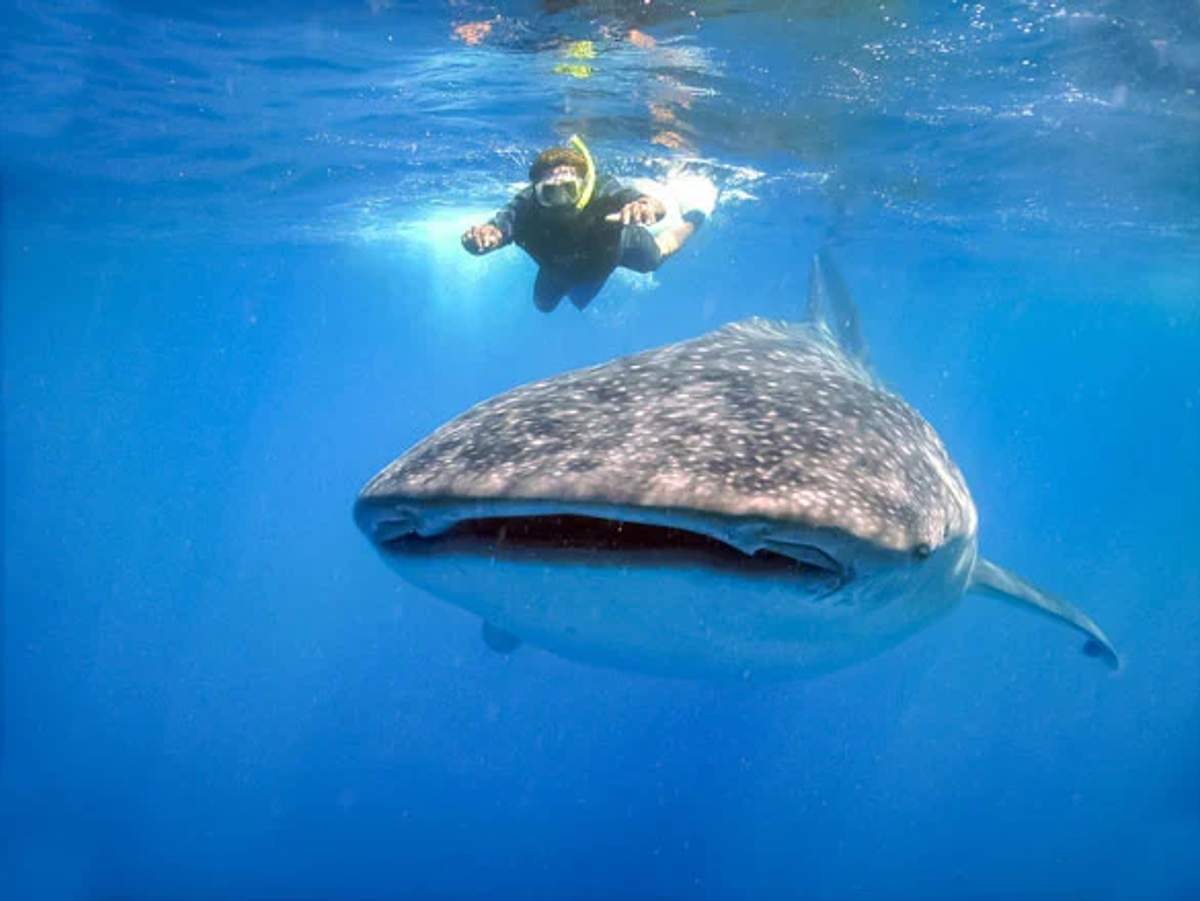
We do not use the word giant here lightly. Whale sharks are HUGE. They can grow to more than 40 feet, which is larger than a school bus. They also weigh about 66,000 pounds, which is more than three times heavier than the bus we just compared them to.
Are whale sharks actually whales?
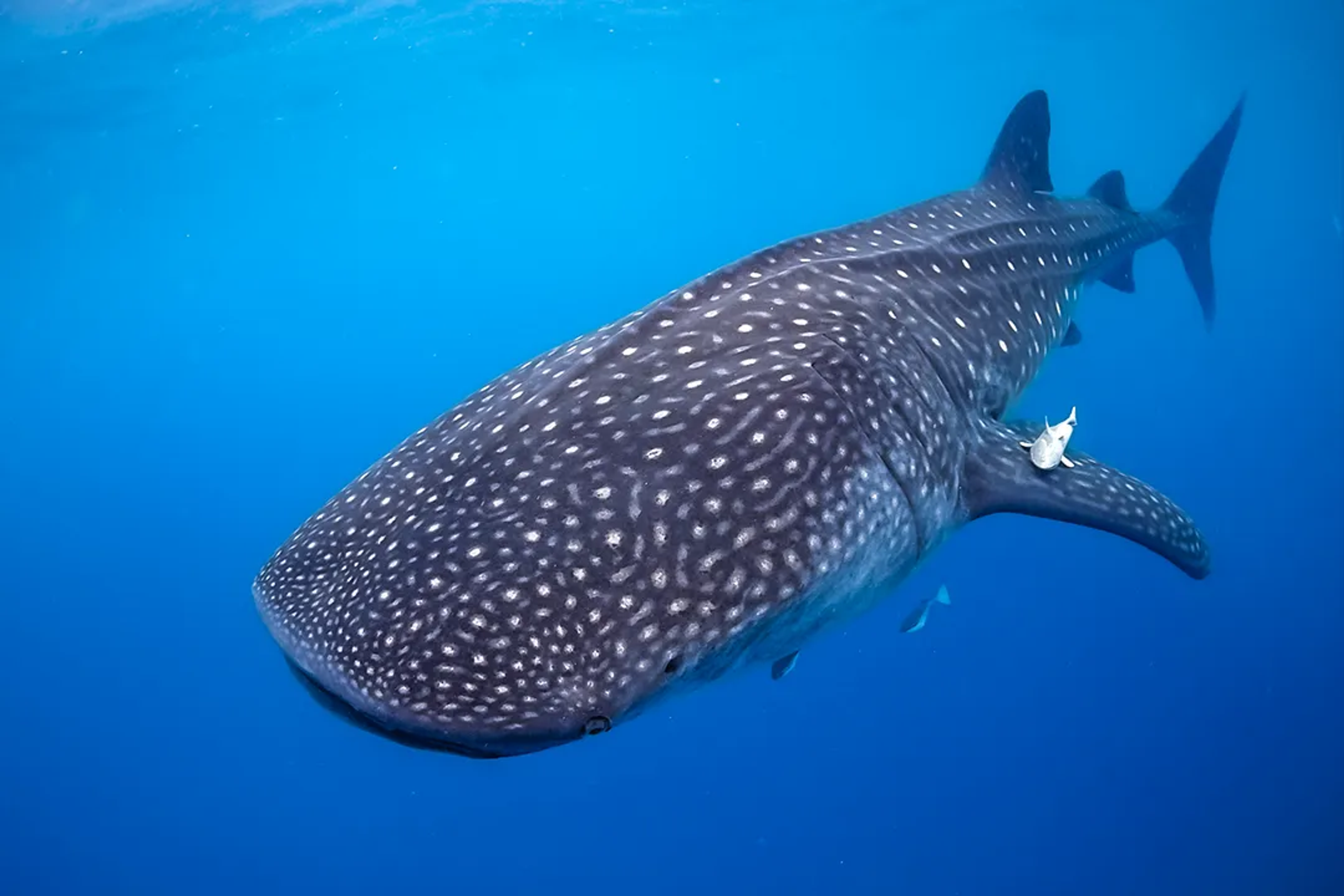
While they are called “whale sharks”, these larger-than-life animals are not whales, but the world’s largest fish.
Their bite is definitely not as big as their bark
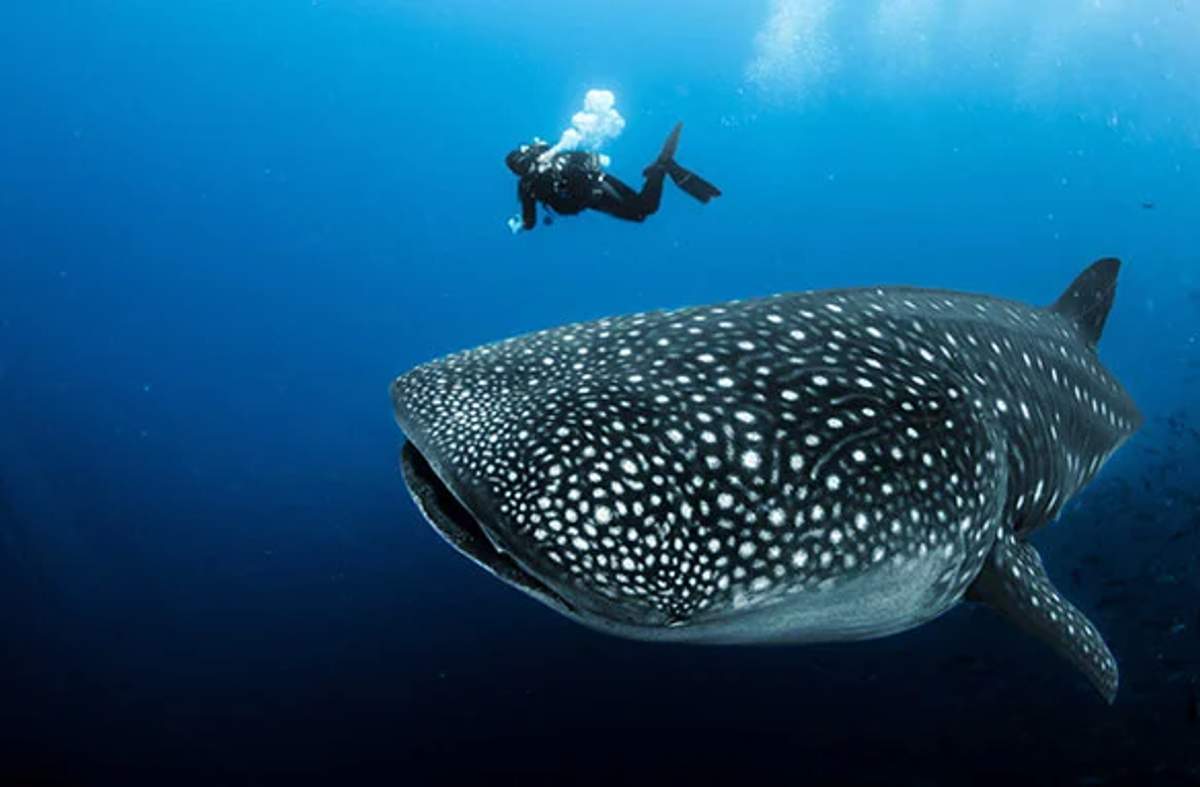
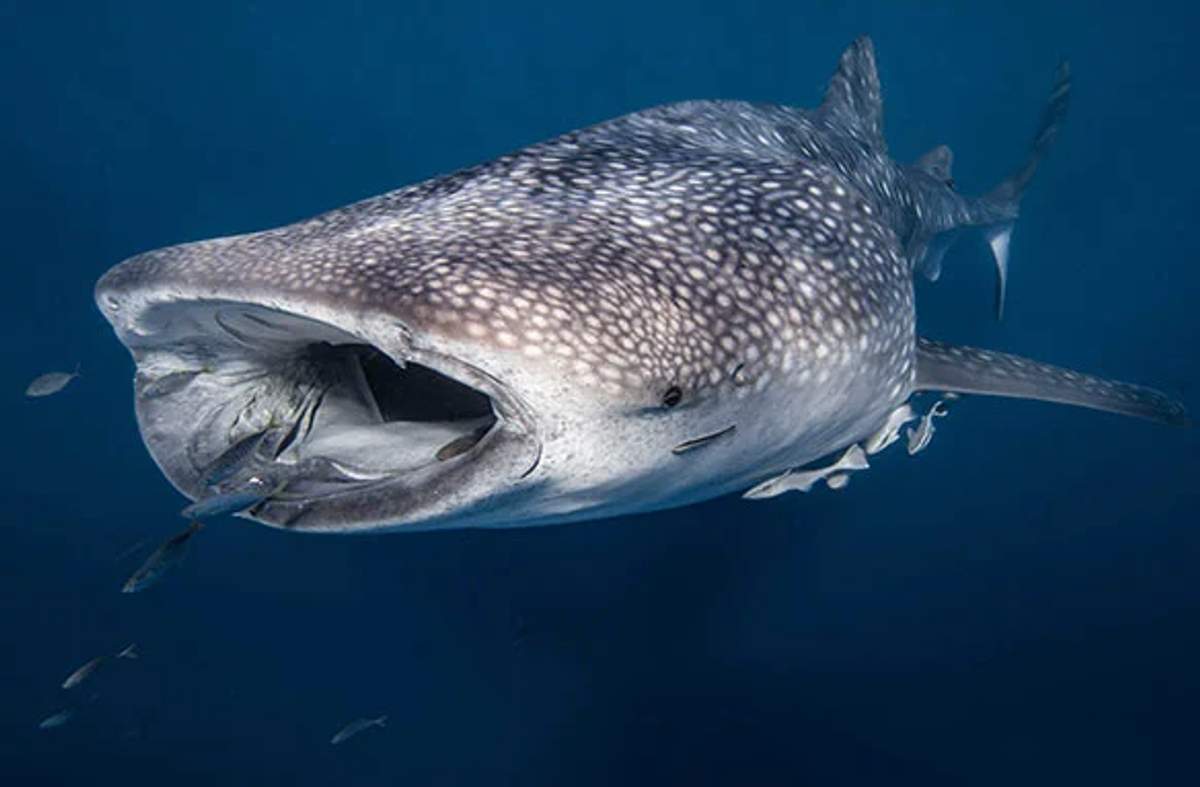
With their enormous stature, whale sharks look intimidating, but their size is all for show. Even with 300 rows of teeth, whale sharks are filter feeders, and they don’t bite or chew. You do not want to get pulled in via their mighty vacuum-like filter, but if you stay out of their mouth, you should be good-to-go.
What do whale sharks eat?
In keeping with their strong suction and lack of bite, these big guys eat tiny plankton, krill, small fish, and all kinds of other small life forms.
How do whale sharks breathe?
As a fish, whale sharks breathe through their gills. Their gills allow them to swim underwater without going to the surface for air, unlike dolphins and whales. You may find whale sharks swimming closer to the surface during seasonal aggregations, but their gills allow them to dive to great depths of approximately 700 meters.
What is whale shark reproduction like, and how many baby sharks can be born?
Wow, if this one doesn’t take you by surprise, we don’t know what will. Whale sharks produce eggs, though the young hatch inside of the mom – unlike many animals that produce eggs. When this happens, the mom can give birth to as many as 300 live young. Yes, you read that correctly: 300 little ones.
Why do whale sharks migrate?
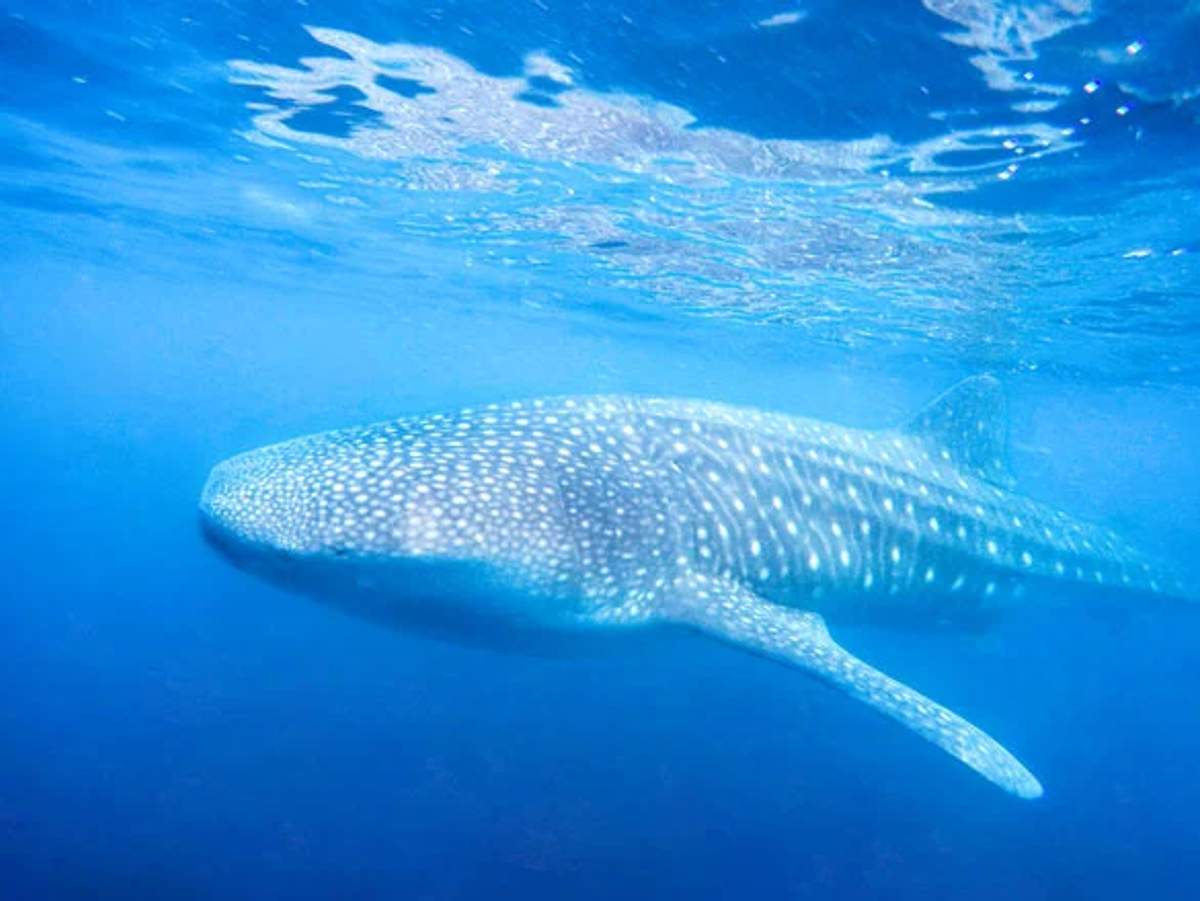
The biggest fish in the world migrate to eat. Whale sharks have multiple feeding locations spread worldwide, but they make their way to Mexico and the Yucatan Peninsula to feed between May and September. Animals continue to come back year after year to consume the rich nutrients of the region that will keep them full throughout the rest of the year.
When can I see them during my trip to Mexico?
Whale sharks migrate to the Yucatan Peninsula in June and tend to stick around until September, so if you’re on the lookout during these times, you may be lucky enough to swim with a few.
Can I swim with whale sharks?
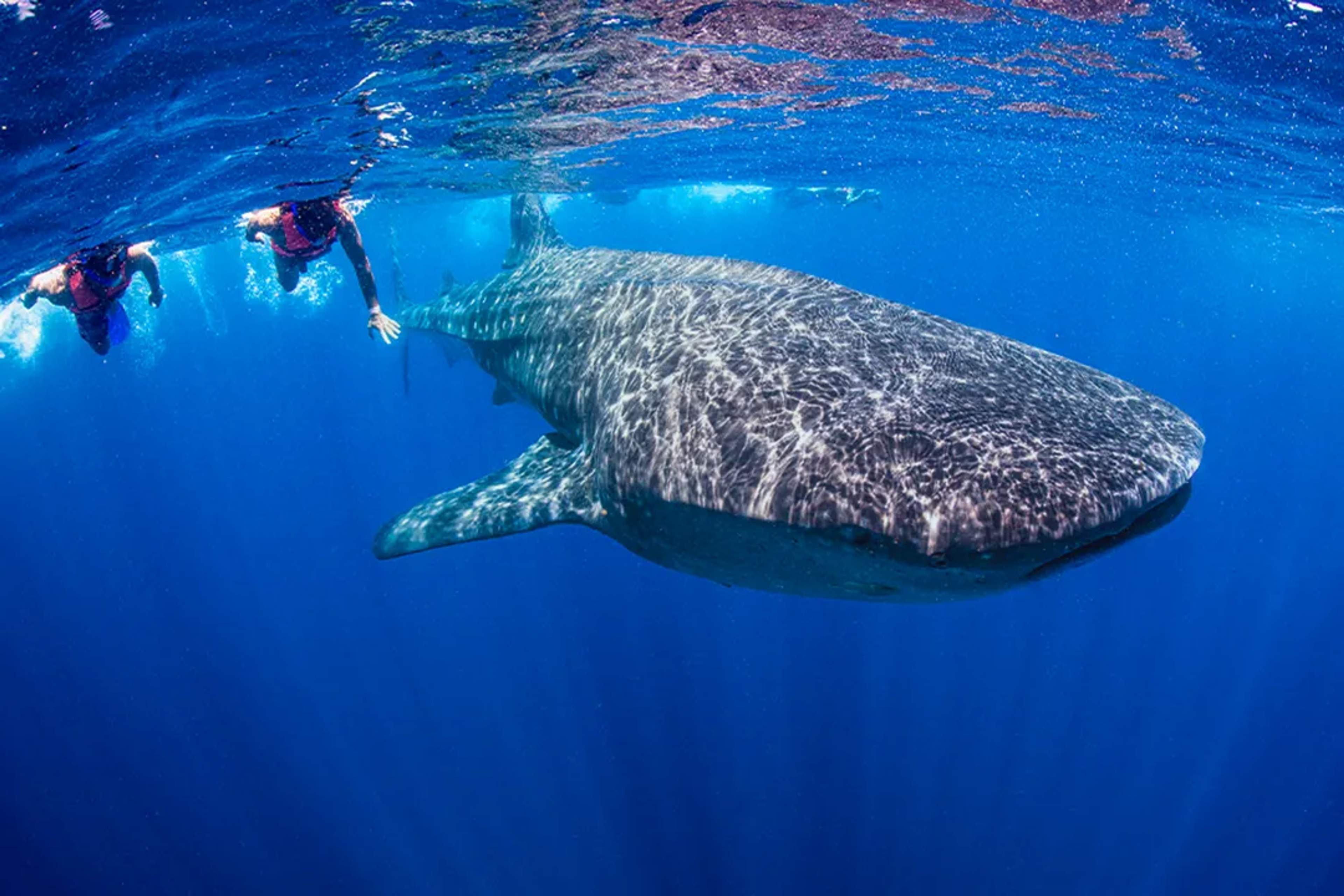
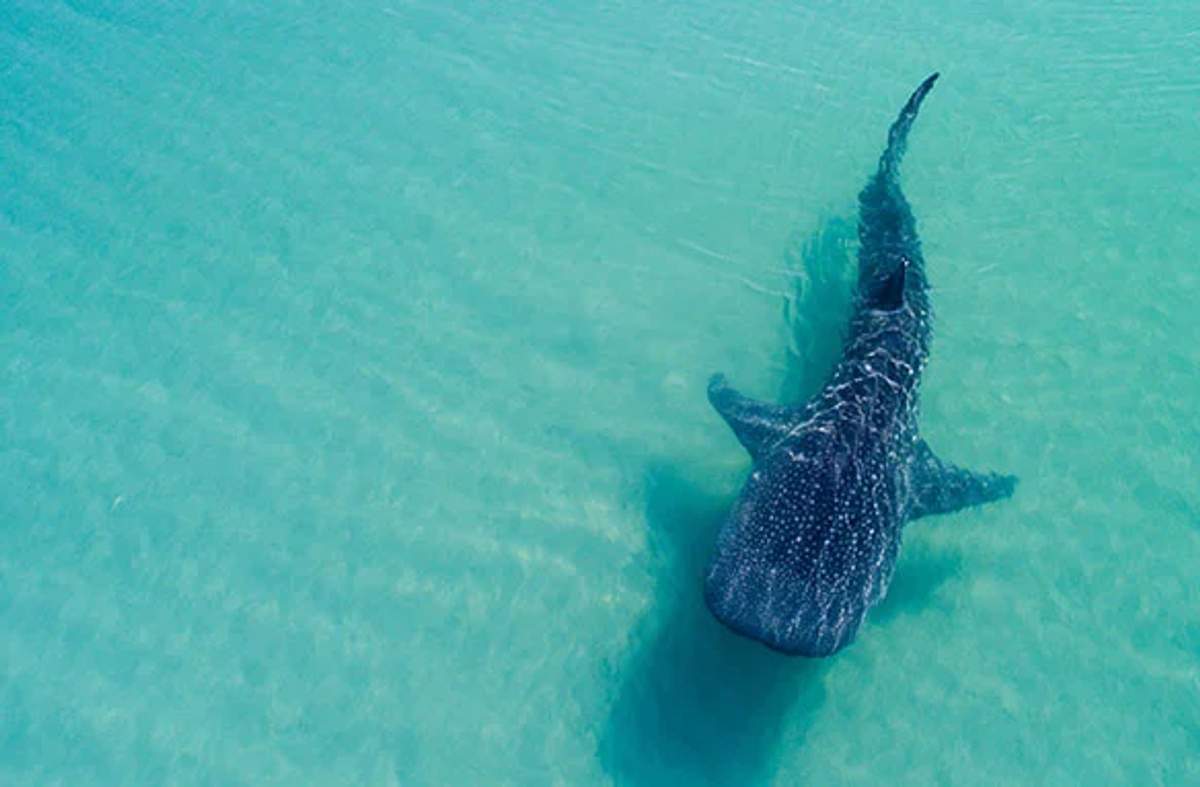
We absolutely love the sea and all the creatures who call it home. That’s why one of our favorite tours is taking our guests to go Swimming with Whale Sharks. This is a truly unforgettable experience that will stay with you for the rest of your life.
What's the world whale shark population?
Unfortunately, like many of the world’s most wonderfully interesting species, whale sharks are shrinking in numbers. Due to their popularity within international markets, they are targeted for their meat and fins, which has compromised their safety and rendered them an endangered species. With that said, there are only around 7,000 whale sharks that have been sighted in the last few years.
How fast do whale sharks move?
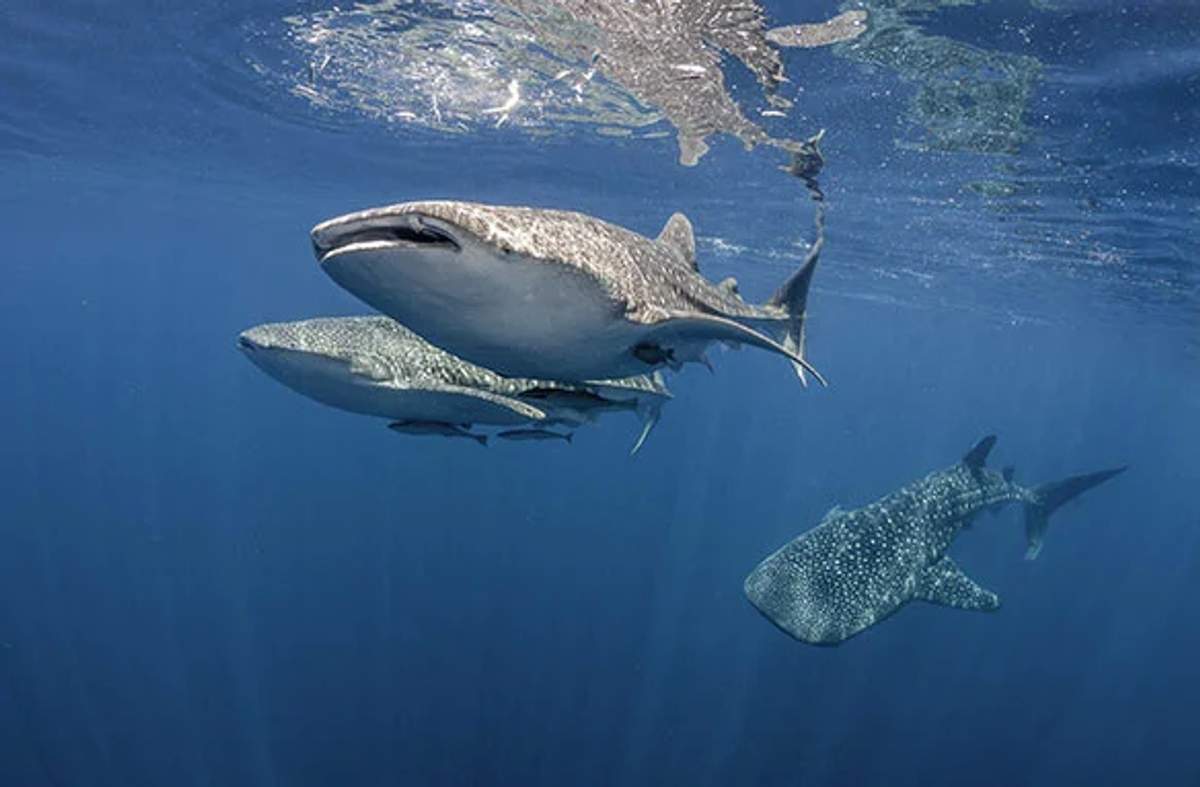
Whale sharks like to take their time when they are traveling. Moving at barely 4 km/hr, whale sharks are certainly not making a speedy splash, but that doesn’t mean they don’t get places. Each year, a whale shark may travel up to 4,000 kilometers during its migration travels.
How long do whale sharks live?
We are happy to report whale sharks to enjoy quite a long life. It has been discovered whale sharks can live up to 80 years and, mostly 120 years. It just depends on the whale you ask (or investigate via carbon-dating).
Where do whale sharks live?
You can find whale sharks swimming in warm, tropical saltwater bodies. They are commonly spotted between the latitudes of 30°N and 35°S and prefer water temperatures between 21 - 25°C. These gentle giants can be found in coastal waters surrounded by coral reefs in Australia, the Maldives, South Africa and Mexico, among many other regions.
Come visit us in Mexico and see these exciting facts for yourself!
Live large on your next vacation by planning to visit us during whale shark season. Our Cancun Adventures team looks forward to treating you to one of the most life-changing tours where you can snorkel in areas surrounding your Cancun resort of choice. Book your opportunity to Swim with Whale Sharks now, and we will teach you all we know about whale sharks and so much more!