Top 5 Pyramids Near Cancun You Need to See
Beyond Cancun's pristine white-sand beaches lies a world steeped in ancient wonder—the top pyramids near Cancun you need to see. The Yucatán Peninsula stands as the vibrant heart of the ancient Mayan world, where colossal stone monuments have defied time for centuries. Cancun’s strategic location makes it an ideal base for exploring these archaeological treasures, combining cultural immersion with the comforts of a world-class travel hub.
Cancun allows you to seamlessly pair sun-drenched relaxation with cultural discovery. Whether you're planning a day trip or crafting a multi-stop itinerary across the region, the accessibility of these pyramids turns a vacation into a deeper, more meaningful journey.
In this guide, we explore five of the most significant pyramids near Cancun. Each one sheds light on a different aspect of Mayan civilization—from science and cosmology to trade and political power. Whether you're tracing the shadow of a feathered serpent at Chichén Itzá or climbing into the jaws of a jaguar at Ek Balam, these are experiences that connect you deeply to the past.
1. El Castillo at Chichén Itzá
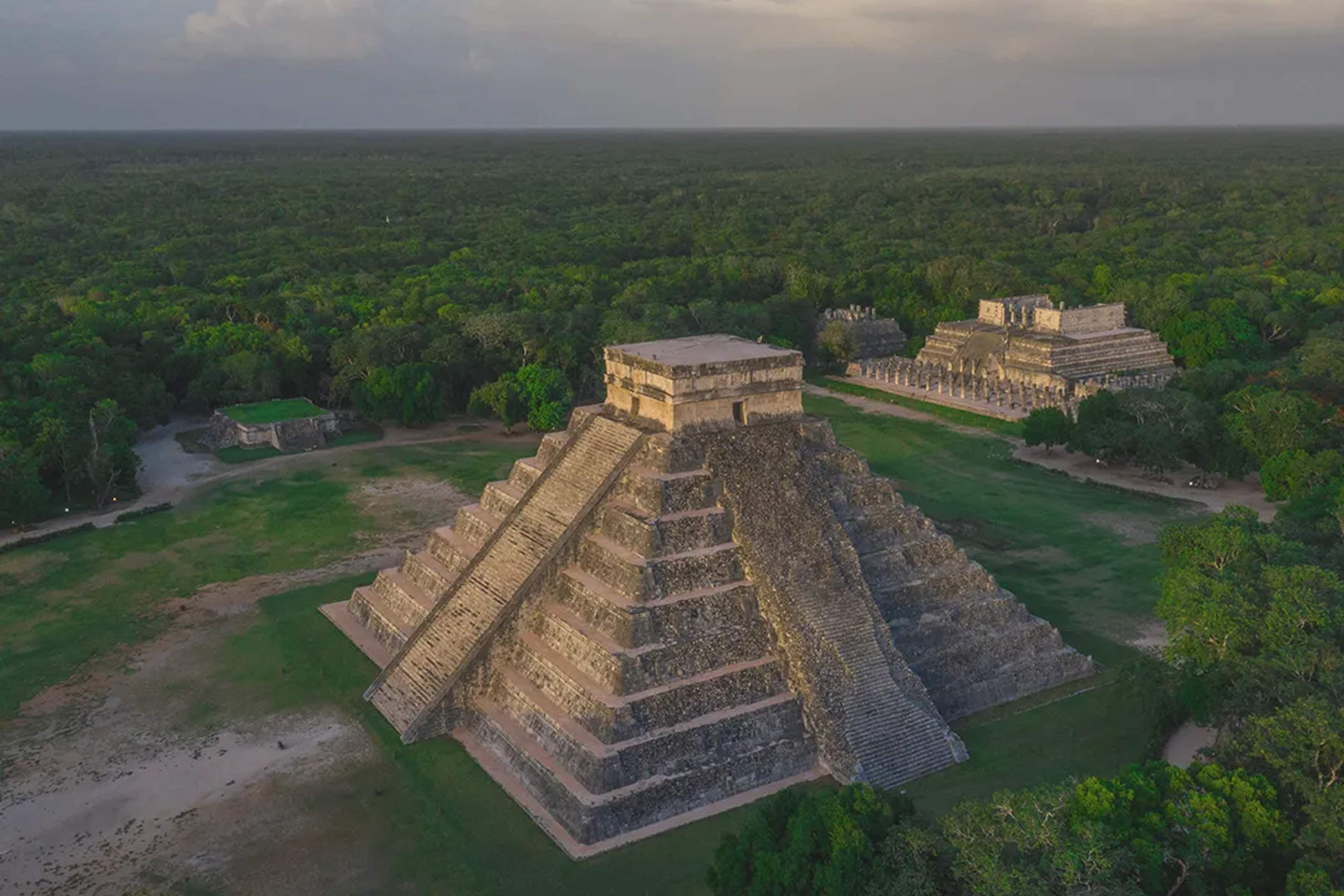
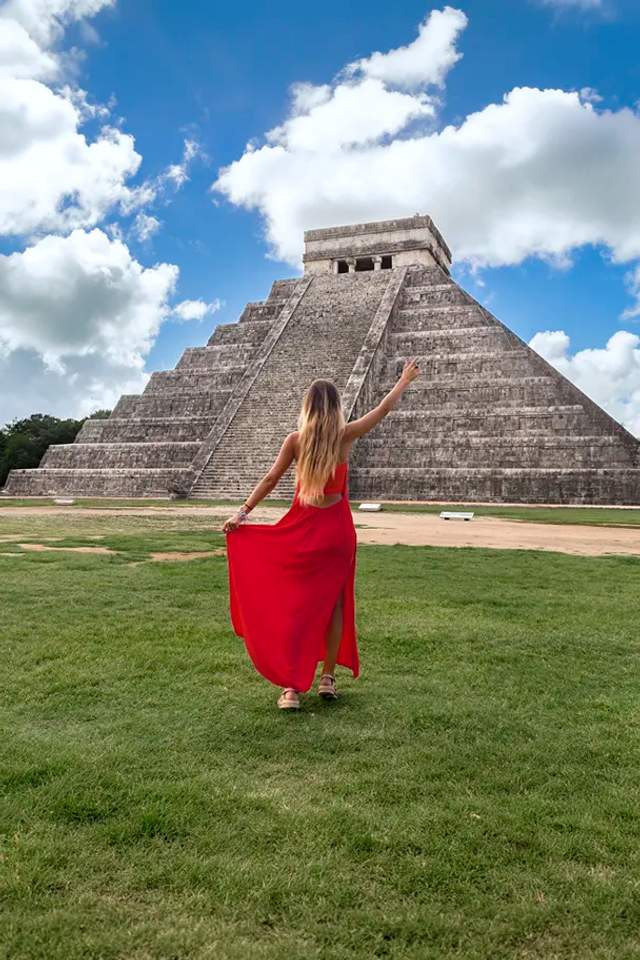
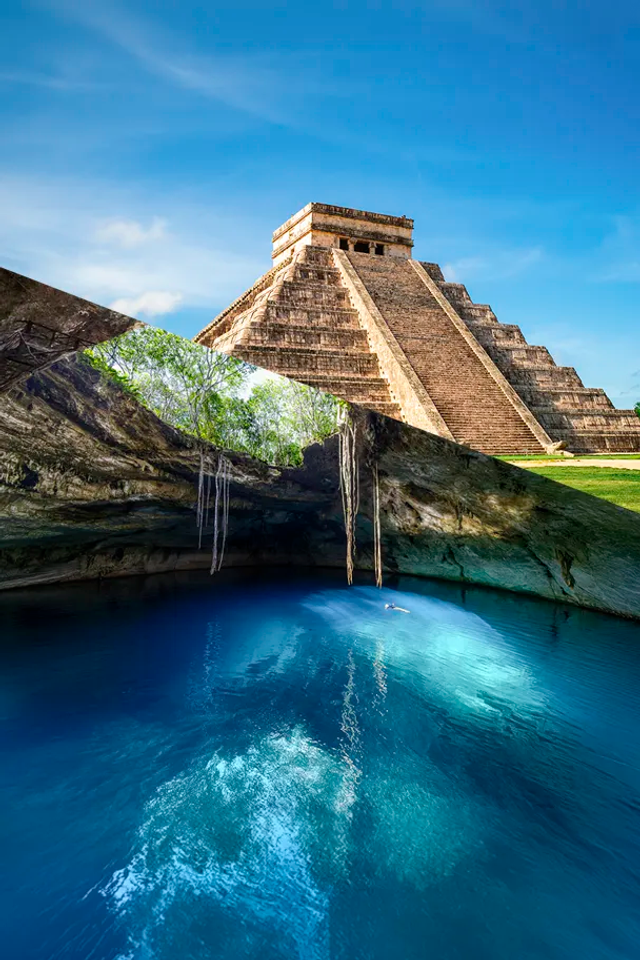
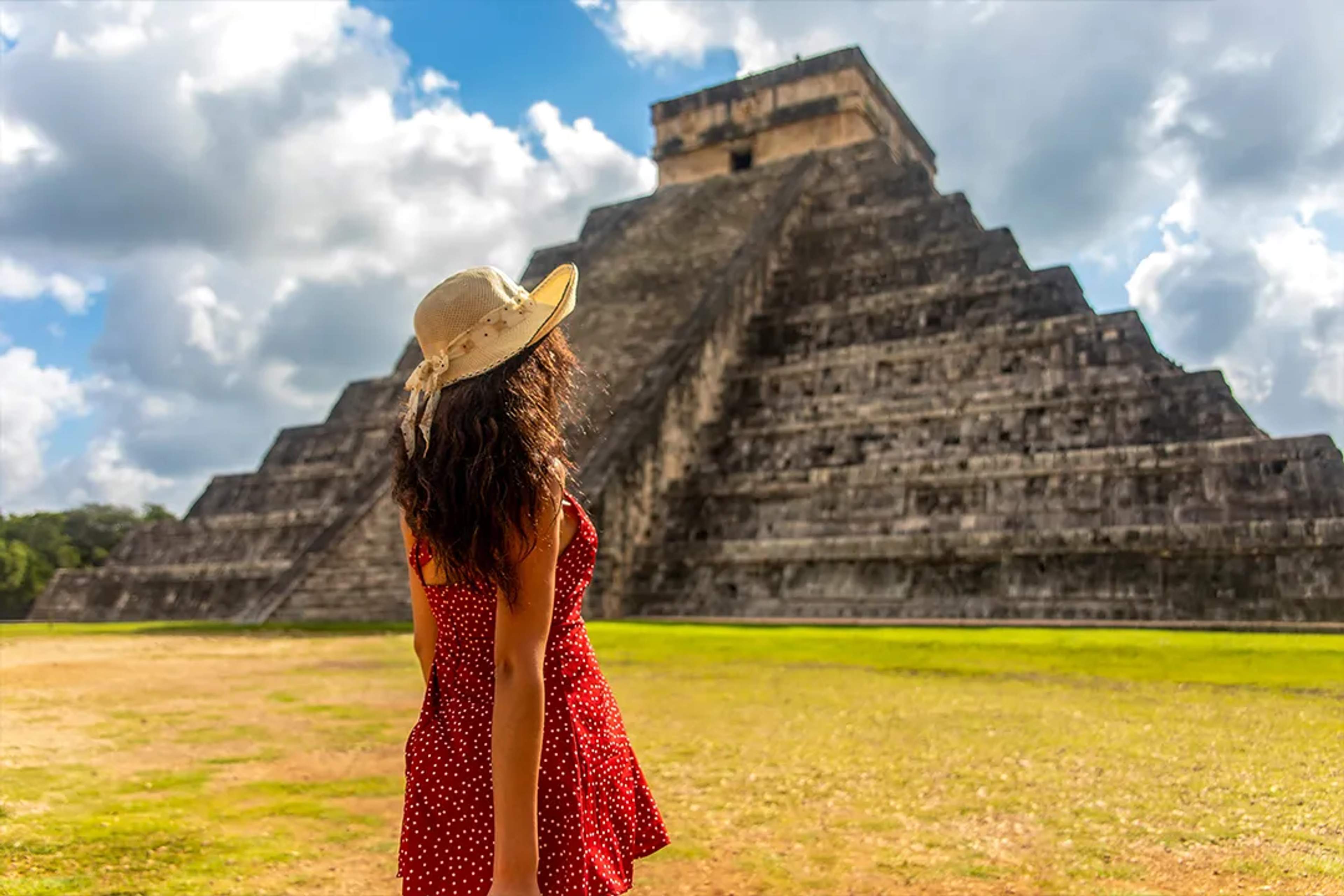
Towering at the heart of Chichén Itzá, El Castillo—also known as the Temple of Kukulkán—is a masterpiece of astronomical alignment and religious symbolism. Built with 365 steps to represent the solar year, it demonstrates the Maya's precise understanding of astronomy and mathematics.
On the spring and autumn equinoxes, shadows form the image of a serpent slithering down the steps, embodying the descent of Kukulkán, the feathered serpent god.
Walking across the vast Great Plaza evokes a sense of ceremonial grandeur, especially in the soft morning light. A clap at the base of El Castillo produces an echo mimicking the call of the sacred quetzal bird—an acoustic feature engineered with astonishing precision. Nearby, the Great Ball Court, Temple of the Warriors, and Sacred Cenote reflect the city's cultural, political, and spiritual gravity.
Intricate serpent carvings wrap around temple columns, while ancient observatories track the heavens with uncanny accuracy. Opting for a curated experience with a certified guide reveals astronomical alignments, architectural layering, and ceremonial narratives that casual observation might overlook.
2. Nohoch Mul at Coba
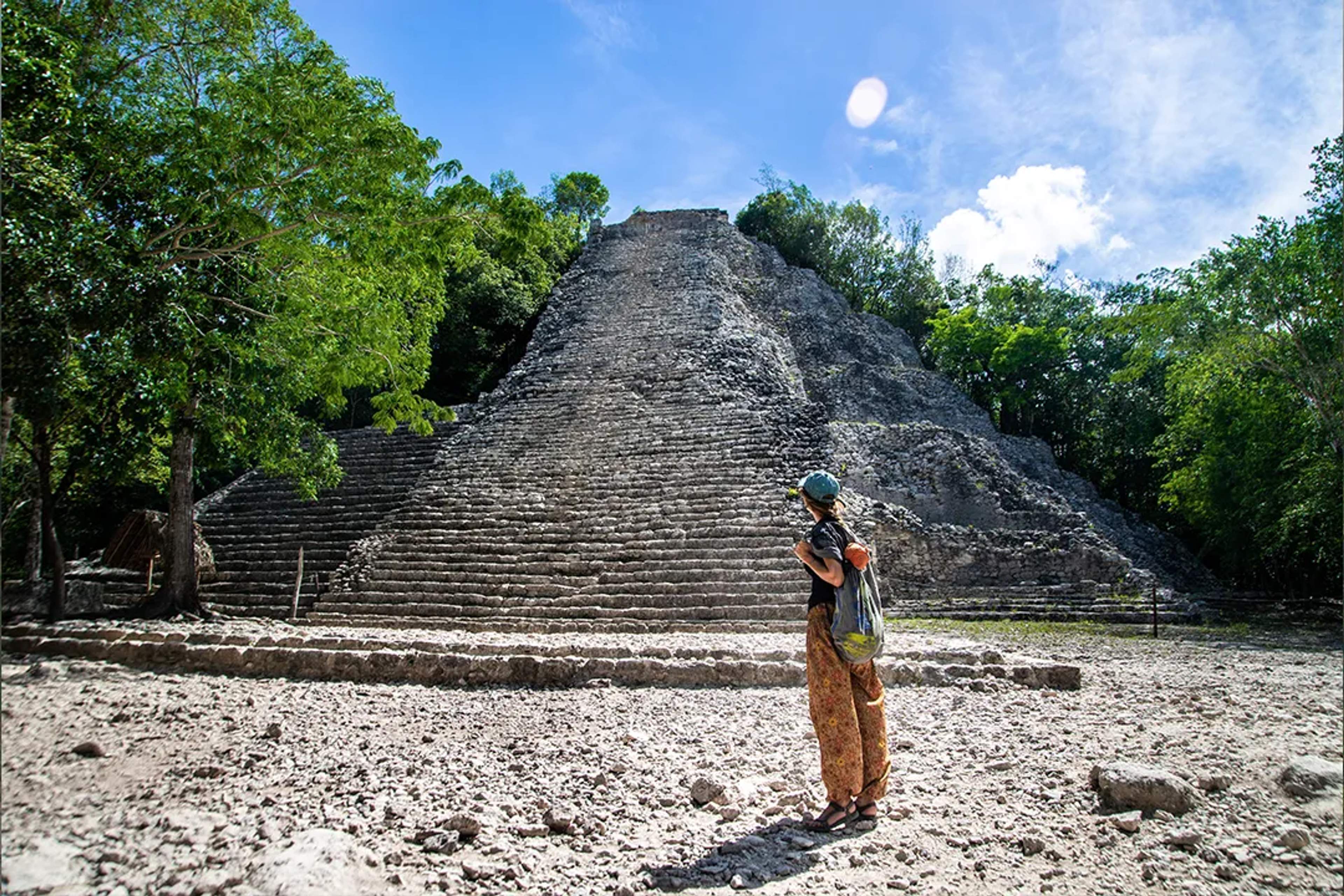
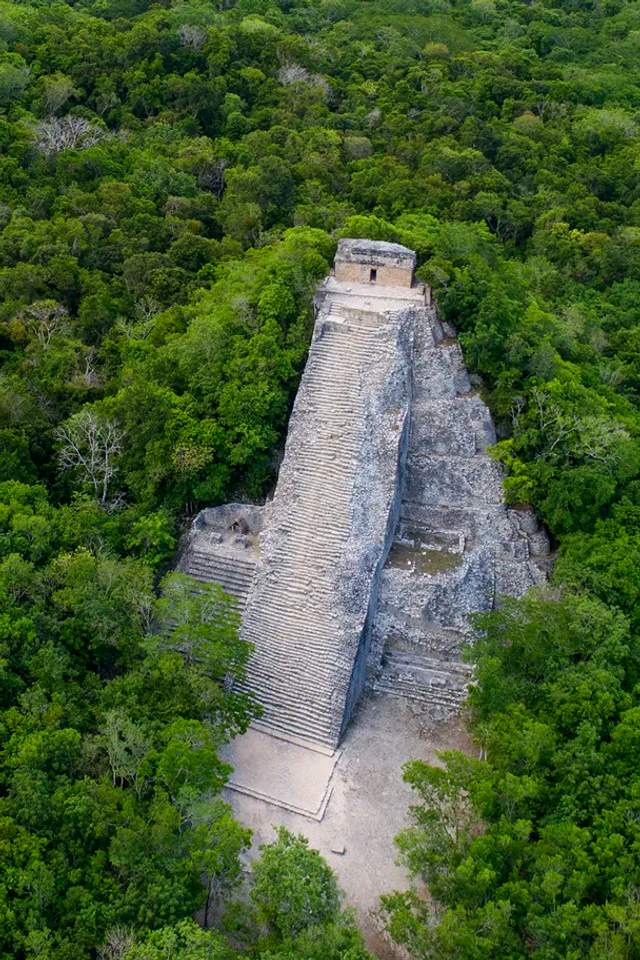
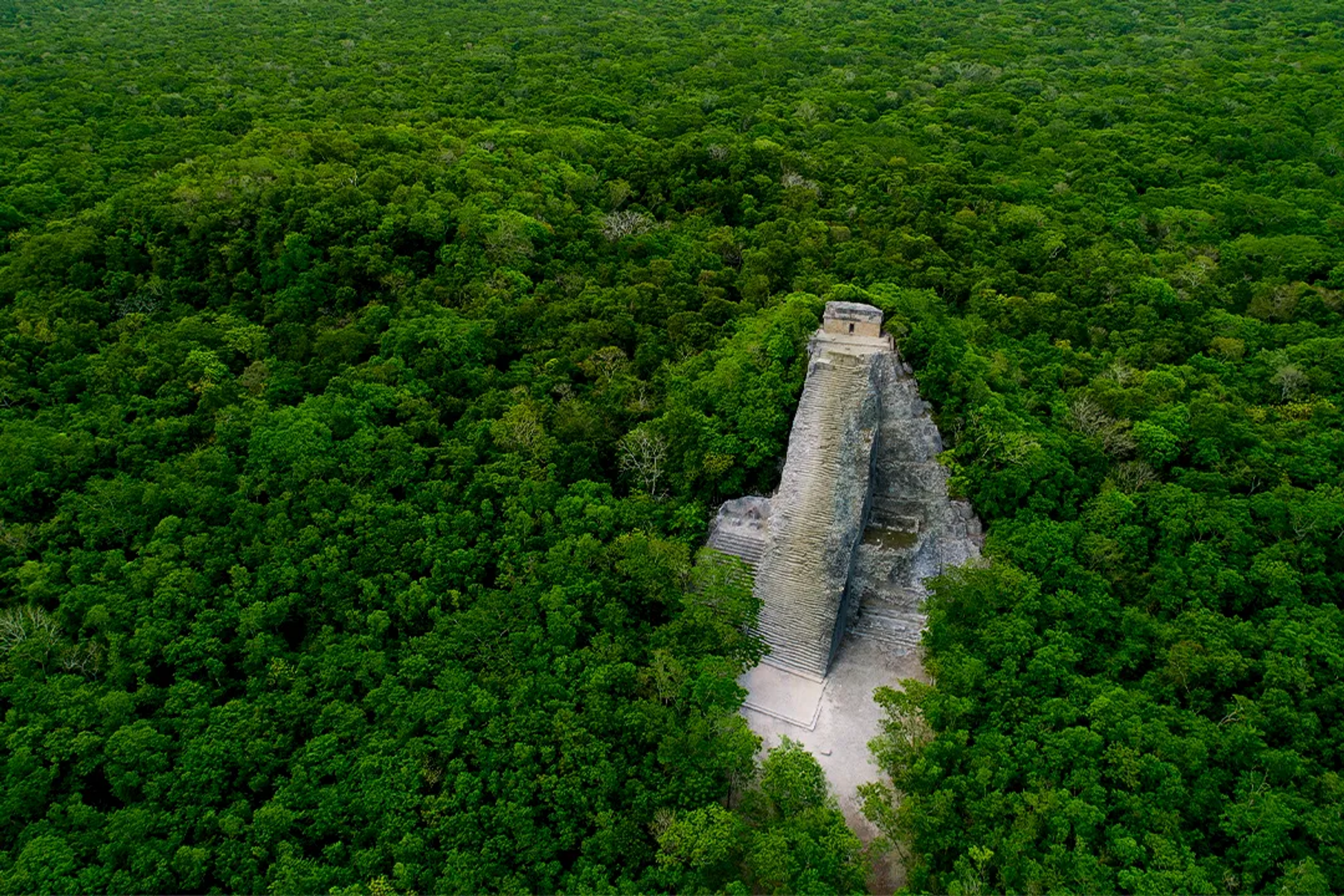
Rising dramatically from the jungle canopy, Nohoch Mul at Coba is the tallest pyramid in the Yucatán Peninsula. Though climbing is now restricted, standing at its base still stirs a visceral sense of awe. Unlike many restored sites, Coba retains a wild, weather-worn atmosphere that lends authenticity to the experience. The pyramid’s steep rise through the trees once served as a spiritual beacon, reaching toward the gods.
Coba was once a metropolis of 50,000 people, with over 50 limestone roads (sacbeob) radiating from its core. These ancient highways reflect a sophisticated network of trade and political connection. Visitors can explore the site on foot or by renting bicycles—mirroring how Maya messengers once moved between city-states.
The stelae, La Iglesia, and shaded forest trails add to the layered experience. Some of these monuments include inscriptions of elite rulers and cosmic events. Those who join a guided outing through the jungle paths often gain insight into Coba's vast layout, political influence, and unique blend of Teotihuacano and Maya design elements.
3. El Castillo at Tulum
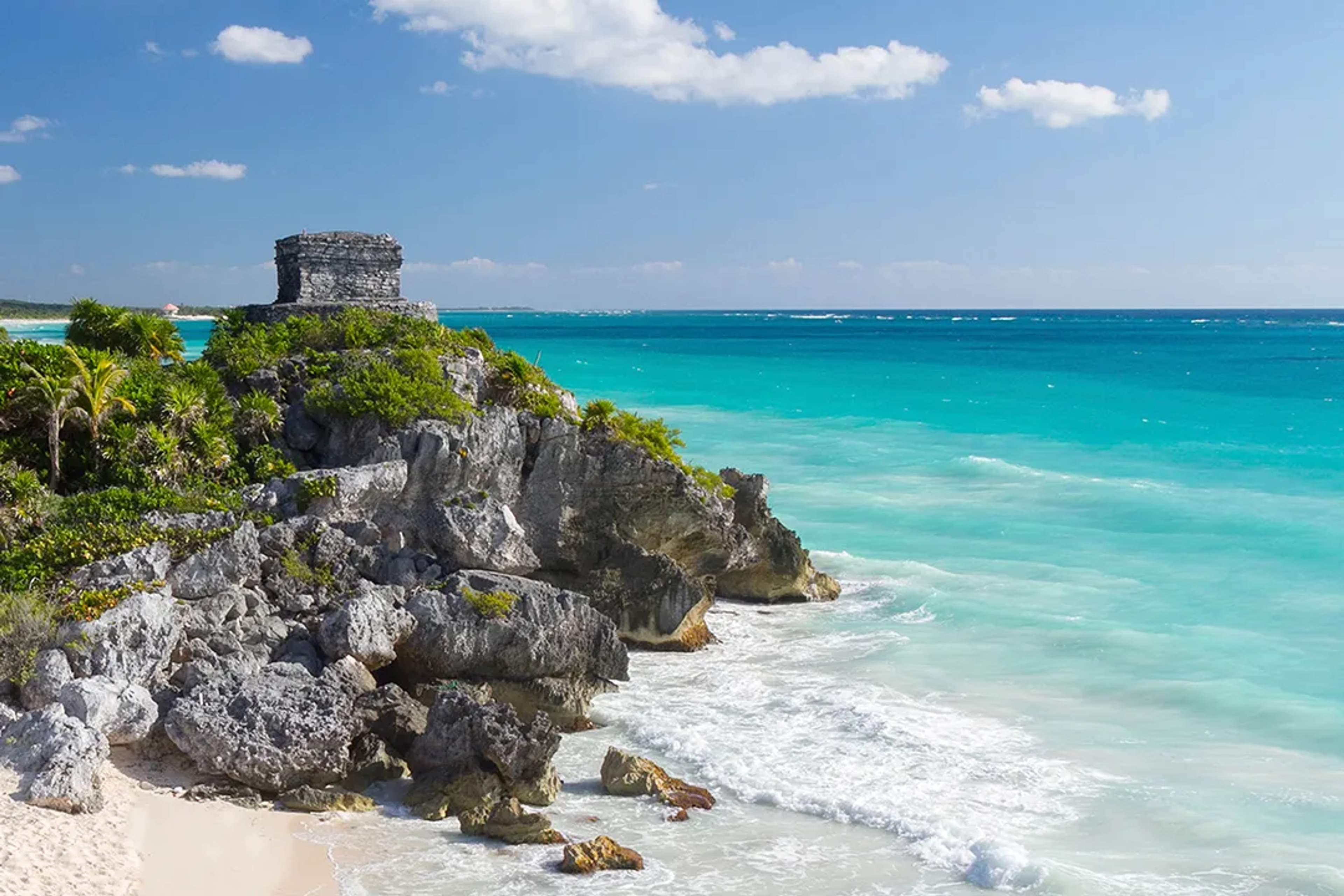
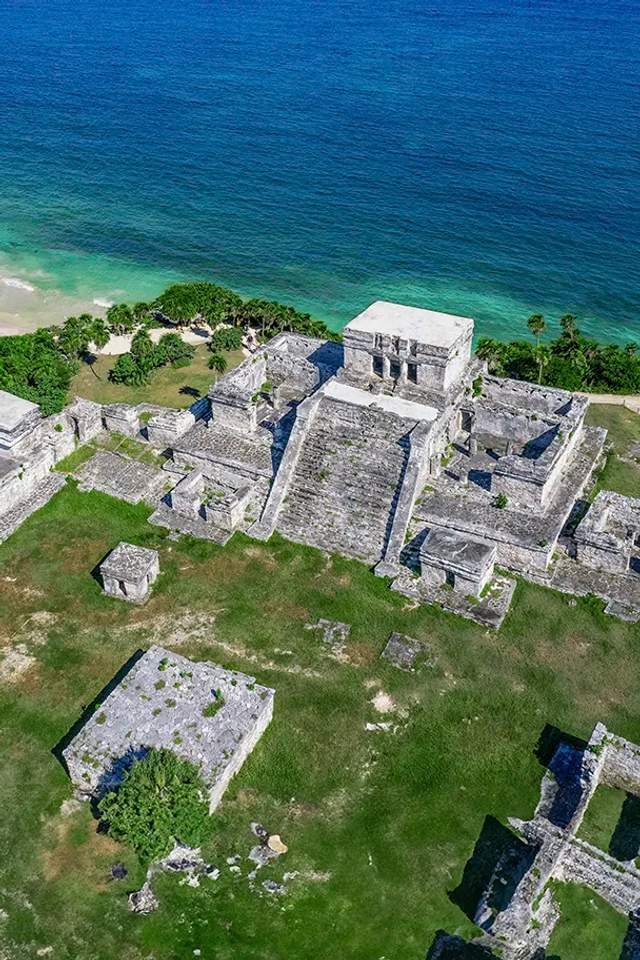
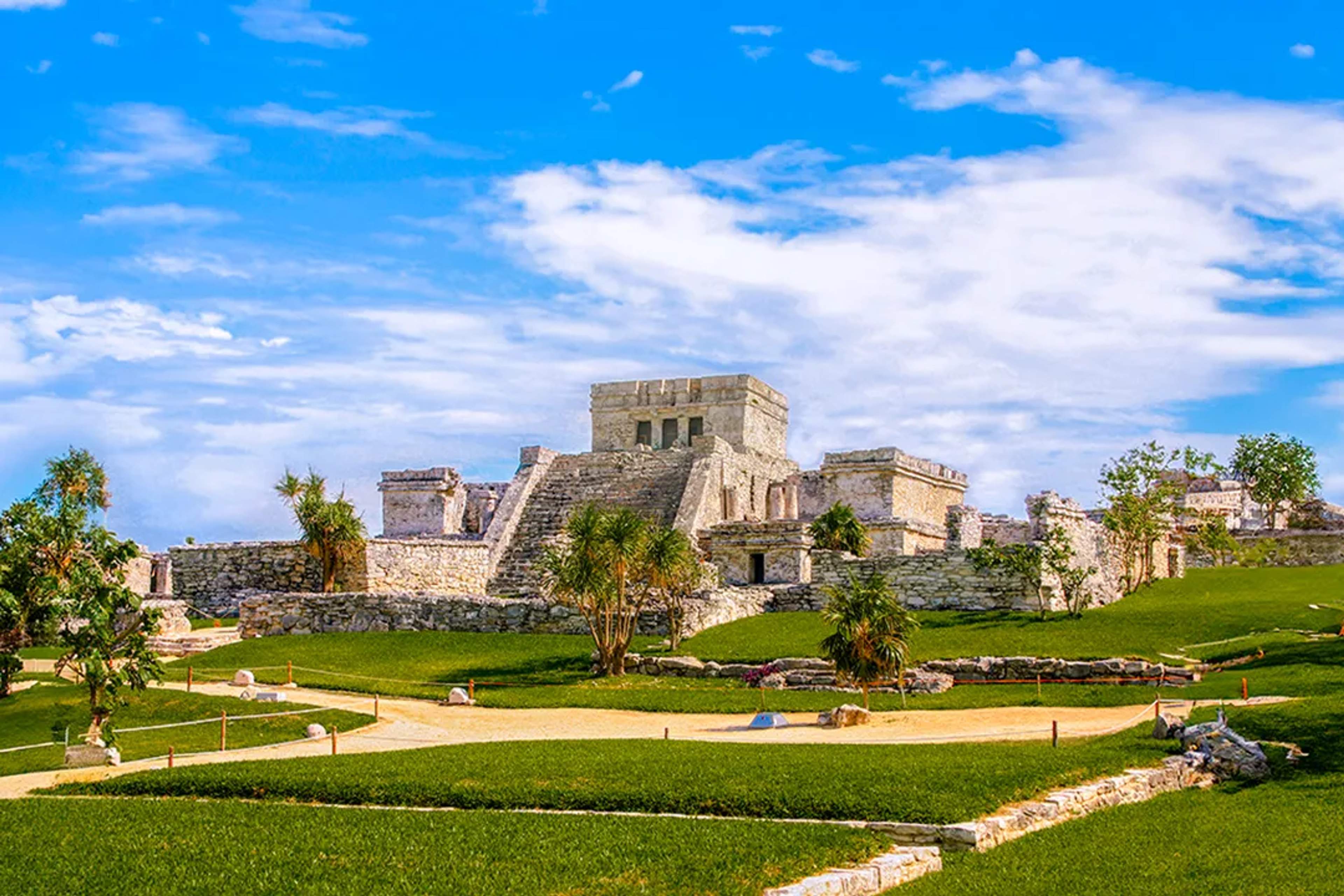
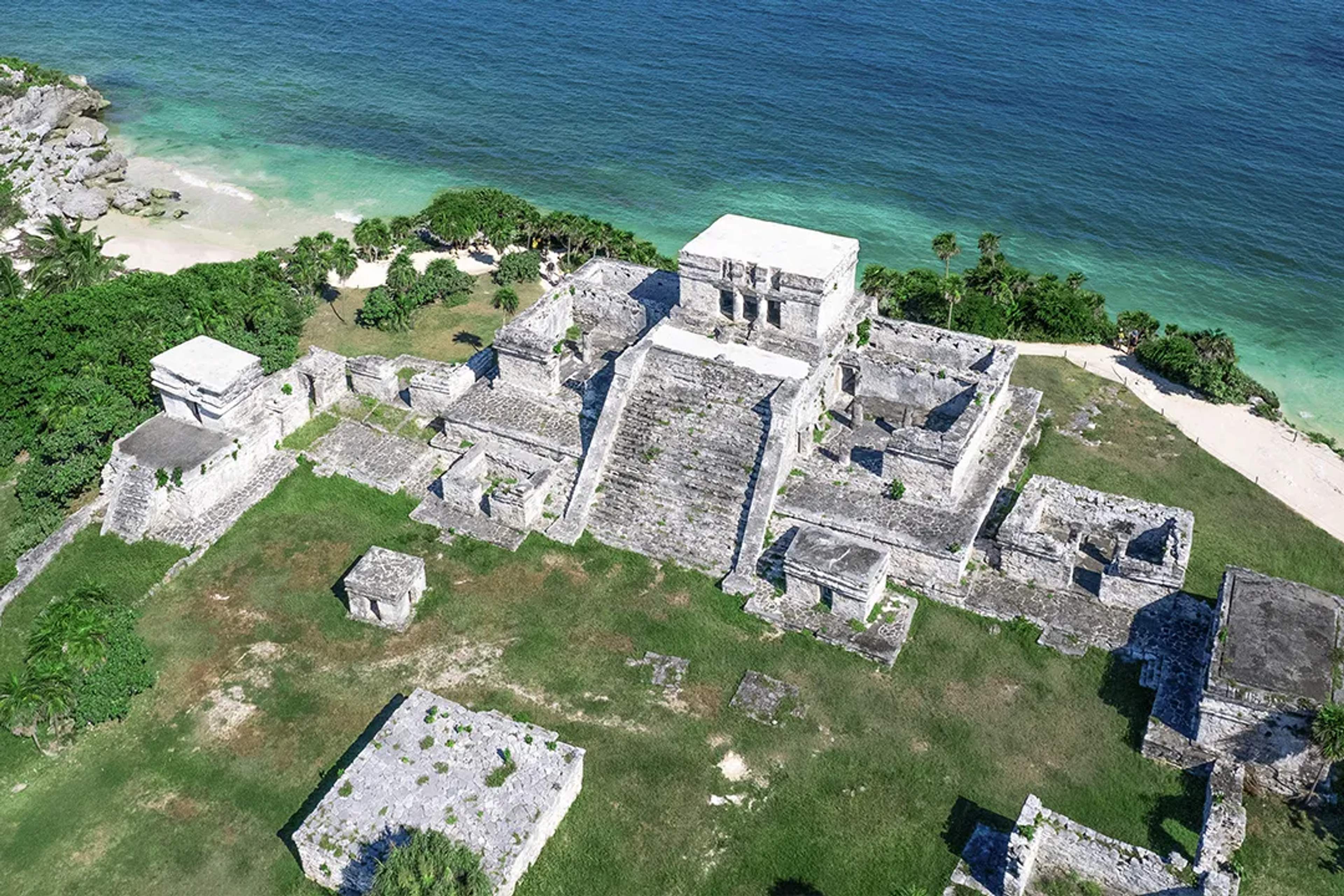
Tulum’s El Castillo sits dramatically atop coastal cliffs, with the turquoise Caribbean Sea stretching endlessly behind it. Unlike inland pyramids, Tulum’s structures uniquely blended religious function with maritime guidance—its tower-like temples once served as navigational aids for seafaring traders. Their placement and alignments demonstrate the Maya’s mastery of both astronomy and coastal navigation.
Walking the ancient pathways delivers a sensory experience: sea breezes carry salt through the air as waves crash below. The Temple of the Frescoes and the image of the Descending God reflect a spiritual narrative focused on cycles of light, fertility, and rebirth.
Tulum’s strategic location was not only spiritual—it was a nexus of trade along the Caribbean coastline. After exploring, many visitors descend a staircase to the beach below for a swim under the gaze of ancient watchtowers. Joining a local expert-led visit enhances the experience with cultural context, cosmological interpretation, and the chance to linger in less-visited corners of the cliffside ruins.
4. The Acropolis at Ek Balam
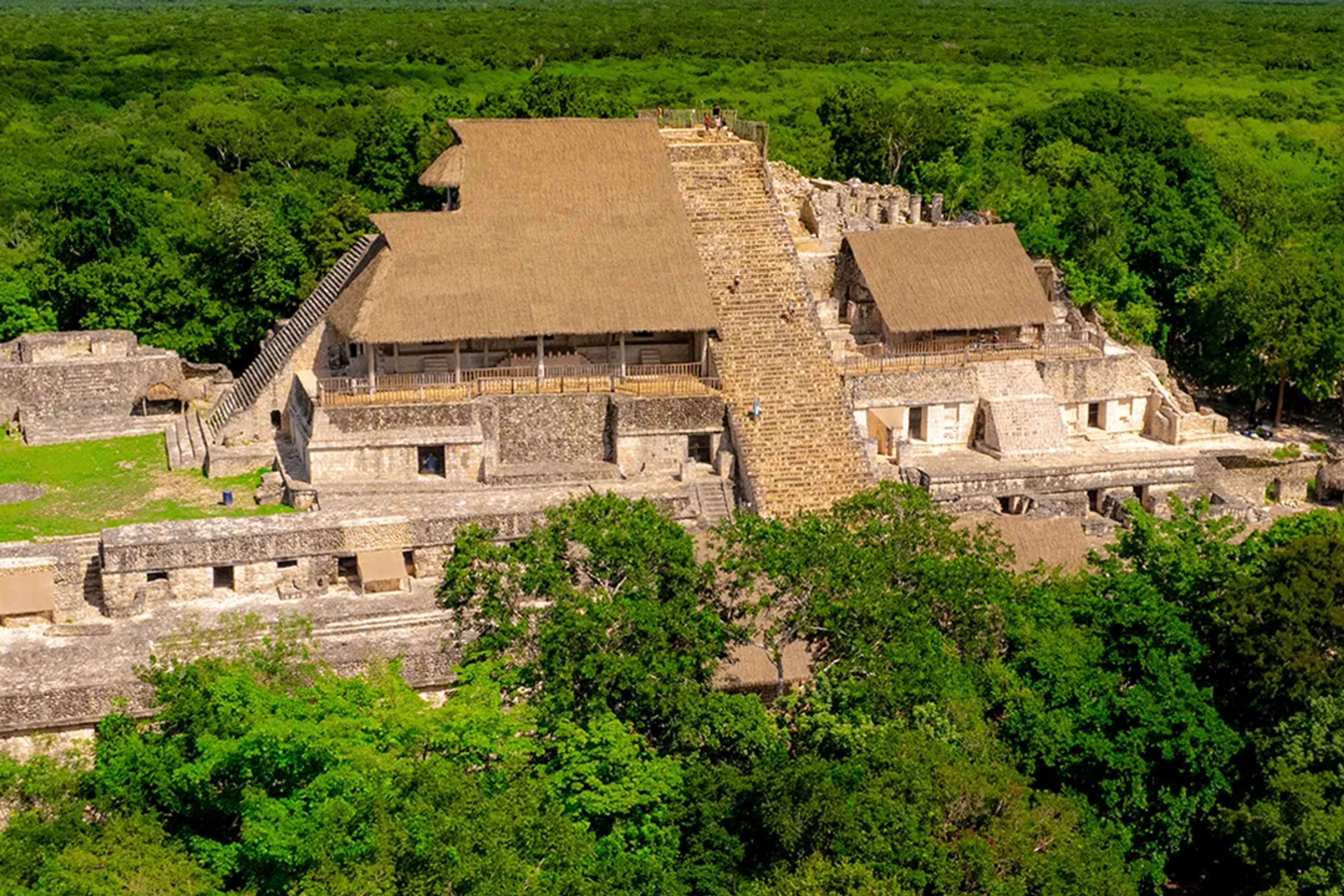
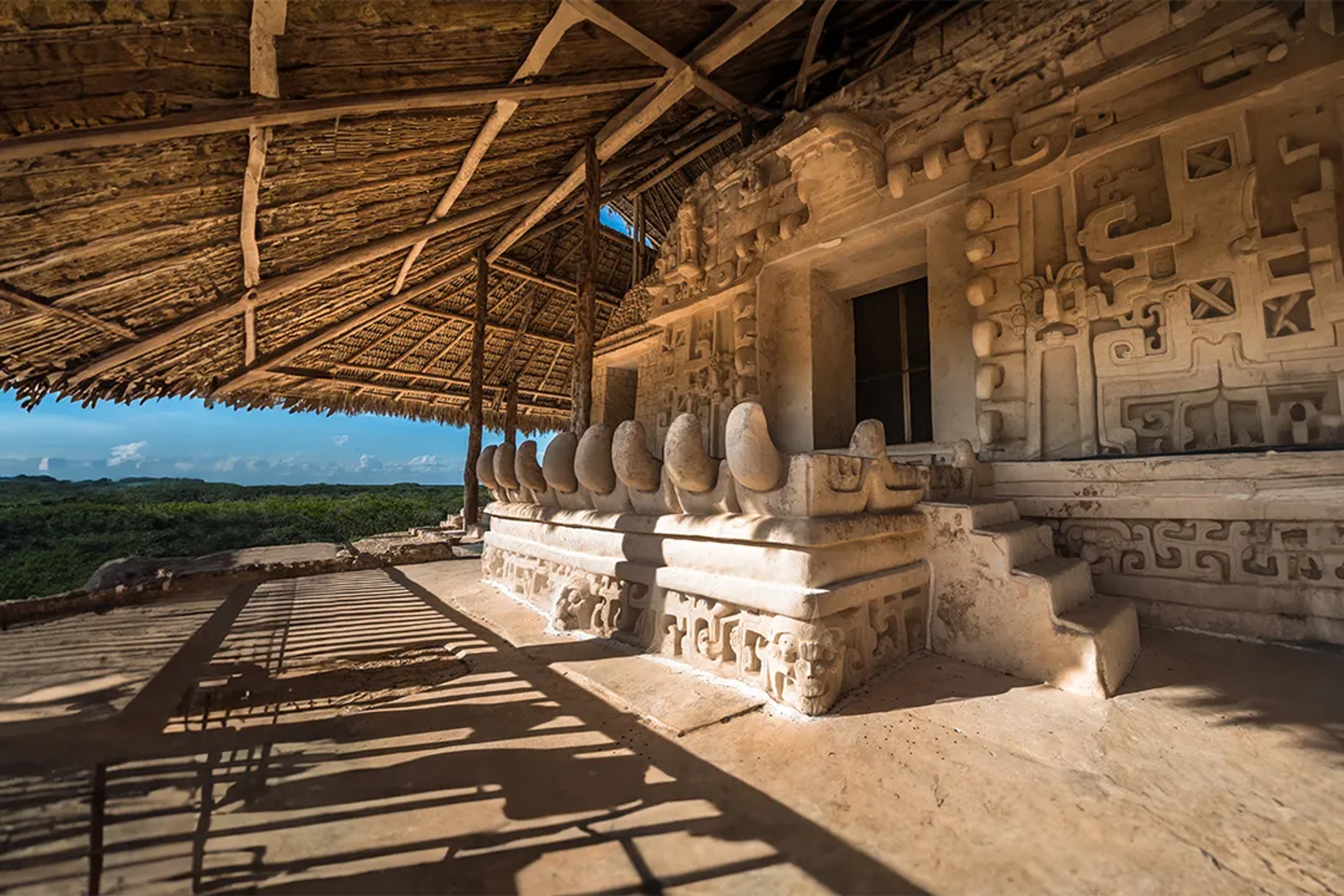
Ek Balam, meaning “Black Jaguar,” contains some of the most finely preserved carvings of any Mayan site near Cancun. Its Acropolis pyramid rises in tiered formation, and on its upper levels lies the famed Jaguar Throne and the “monster-mouth” entryway to the underworld. Here, you can literally step through the carved maw of a mythical creature—an experience as symbolic as it is surreal.
The stucco reliefs remain so well-preserved they appear recently carved. Winged figures, celestial motifs, and glyphs decorate this ceremonial tomb, believed to be the burial site of King Ukit Kan Le’k Tok’. Defensive walls enclose the complex, and jungle vegetation still covers many yet-unexcavated mounds.
Visitors often note the meditative quiet of the site, where birdsong replaces busier site crowds. Travelers seeking a deeper understanding of the artwork, tomb architecture, and symbolism can participate in structured explorations that often include visits to nearby cenotes—adding both refreshment and sacred context to the day.
5. El Rey Ruins in Cancun
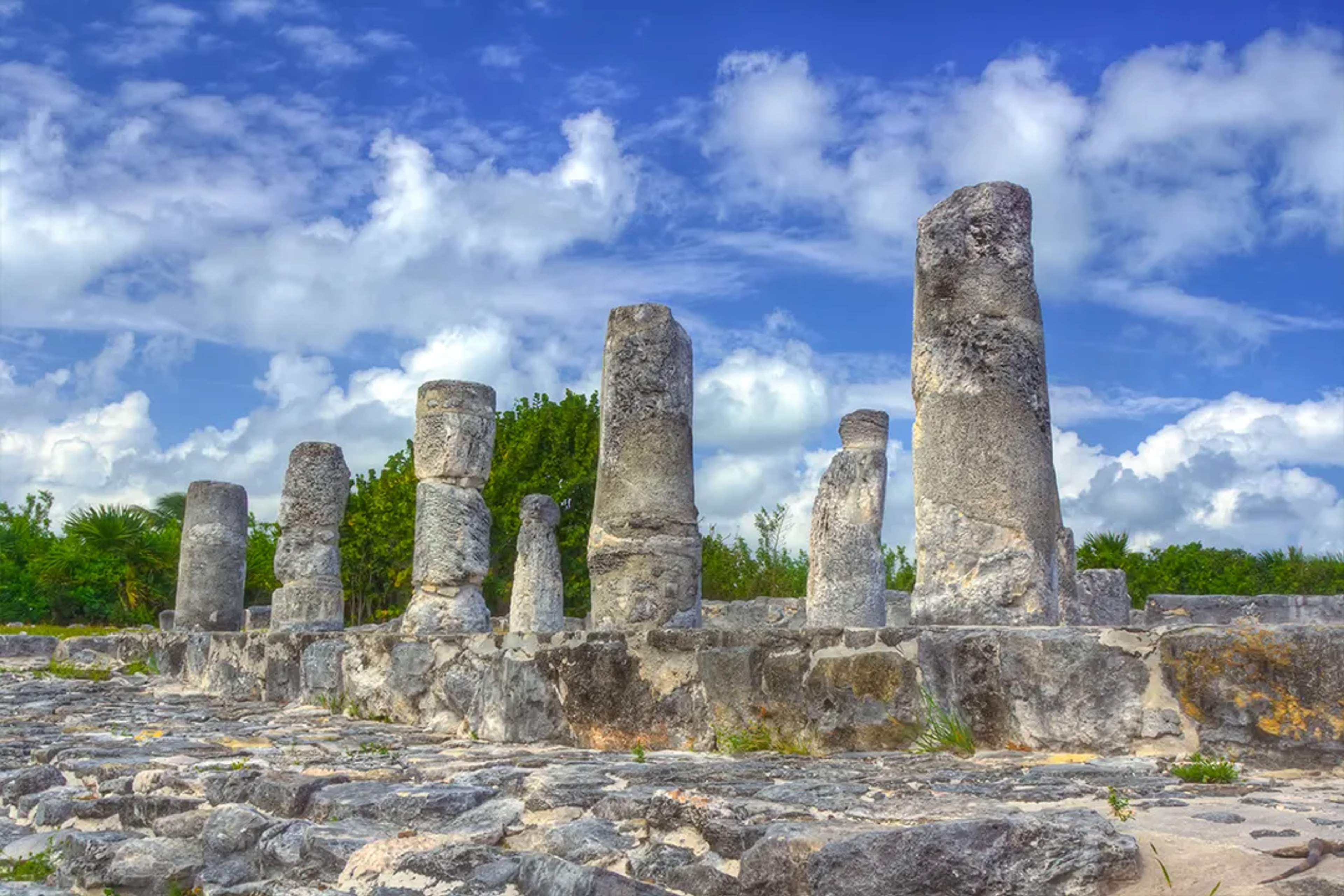
Nestled within Cancun’s modern Hotel Zone, El Rey offers a compact archaeological site rich with everyday history. While it lacks towering pyramids, its 47 stone structures—including platforms and a ceremonial center—once anchored a thriving coastal community engaged in regional trade. The site’s name comes from a sculpted royal figure discovered on-site, believed to be a deity or local leader.
What makes El Rey special is its juxtaposition of past and present. As you explore, the sound of ocean surf and distant music from nearby resorts blends with the stillness of iguanas sunbathing on warm stones. With no need for long travel or advanced planning, this is one of the most accessible Mayan pyramids in Cancun.
El Rey’s simplicity allows space for reflection—you may find yourself lingering longer than expected. Cultural walkabouts guided by regional historians are occasionally available and offer layers of insight into El Rey’s connection to coastal trade networks, burial practices, and daily life in the postclassic period.
Tips for Visiting Mayan Pyramids
- Dress appropriately: Wear breathable clothing and supportive shoes, as terrain can be rocky and uneven.
- Pack smart: Bring a reusable water bottle, reef-safe sunscreen, insect repellent, and a brimmed hat to protect against the tropical sun.
- Arrive early: Beat the heat and crowds by visiting in the early morning hours.
- Choose the right season: The dry season (November to April) offers the best weather, while the rainy season (May to October) provides a lush, photogenic landscape.
- Respect the site: Follow signage, don’t touch carvings, and avoid climbing structures that are off-limits.
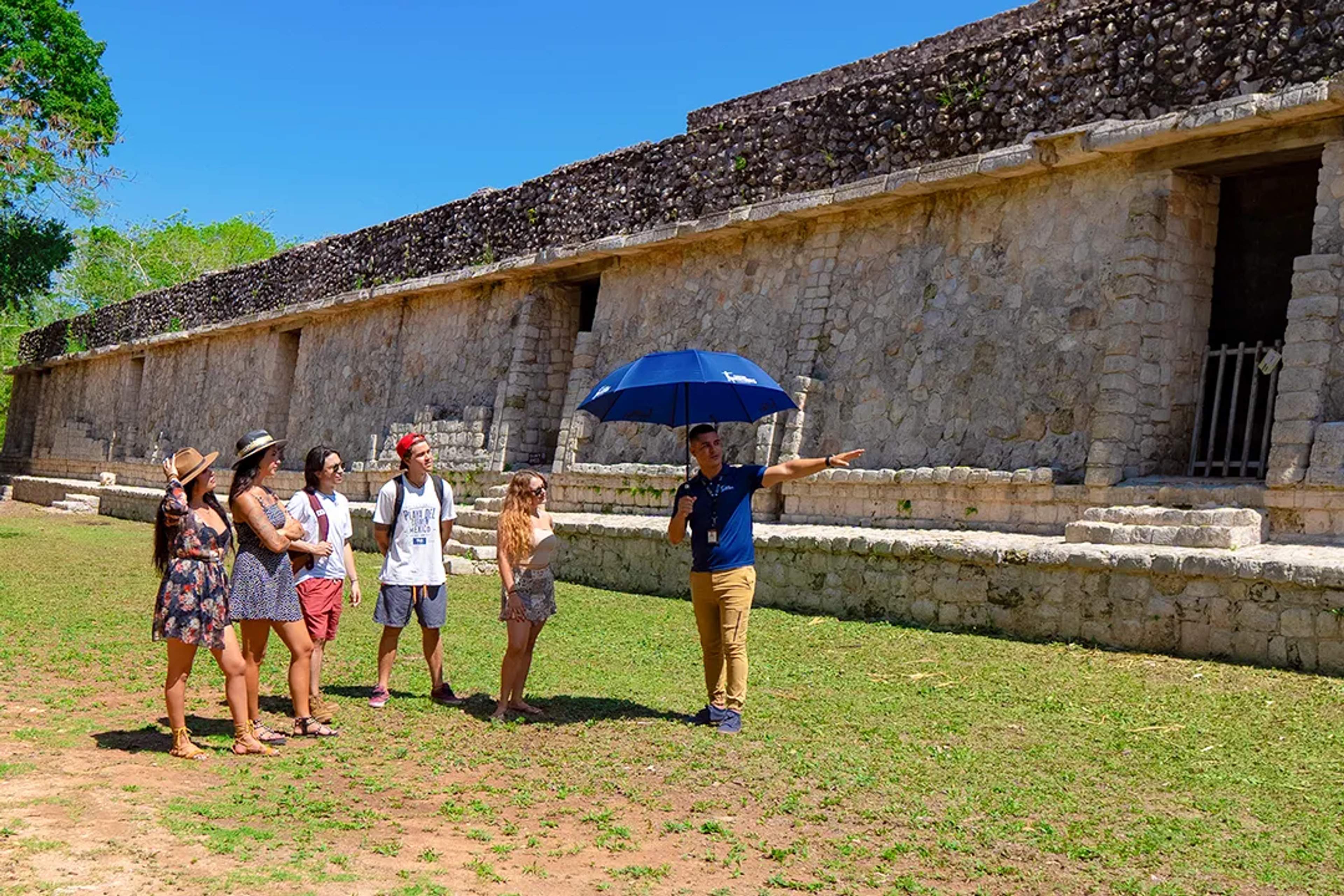
- Take a guided tour: Enhance your experience and understanding while supporting sustainable tourism.
- Practice ethical travel: Don’t litter, support local artisans, and respect sacred areas.
- Be mindful with photography: Always ask permission before photographing locals and avoid disrupting quiet spaces or ceremonies.
- Connect respectfully: Learn a few words in Mayan or Spanish to engage meaningfully with local guides and communities.
- Treat the ruins as living heritage: Approach the experience with curiosity and respect, not just as a photo opportunity.
Final Thoughts
The ancient pyramids near Cancun stand as testaments to human ingenuity, precision, and spiritual devotion that continue to inspire awe millennia after their construction. Each site offers a distinct window into the sophisticated world of the Maya—from the astronomical precision of Chichén Itzá to the coastal grandeur of Tulum, the jungle-shrouded heights of Coba, the artistic treasures of Ek Balam, and the quiet legacy of El Rey.
What makes these Mayan pyramids in Mexico truly remarkable is how they transform from historical monuments to deeply personal experiences once you stand before them. The play of light across carved limestone, the echo of footsteps in ancient plazas, and the sensation of cool stone beneath your hands forge connections across time. The experience isn’t just educational—it’s emotional, spiritual, and unforgettable.
To explore these wonders with expert guidance and seamless logistics, visit the Cancun Adventures Tours Page. With modern Cancun serving as a comfortable and convenient home base, you can experience both cultural discovery and tropical leisure on a journey that honors the legacy of one of the world’s most remarkable civilizations.