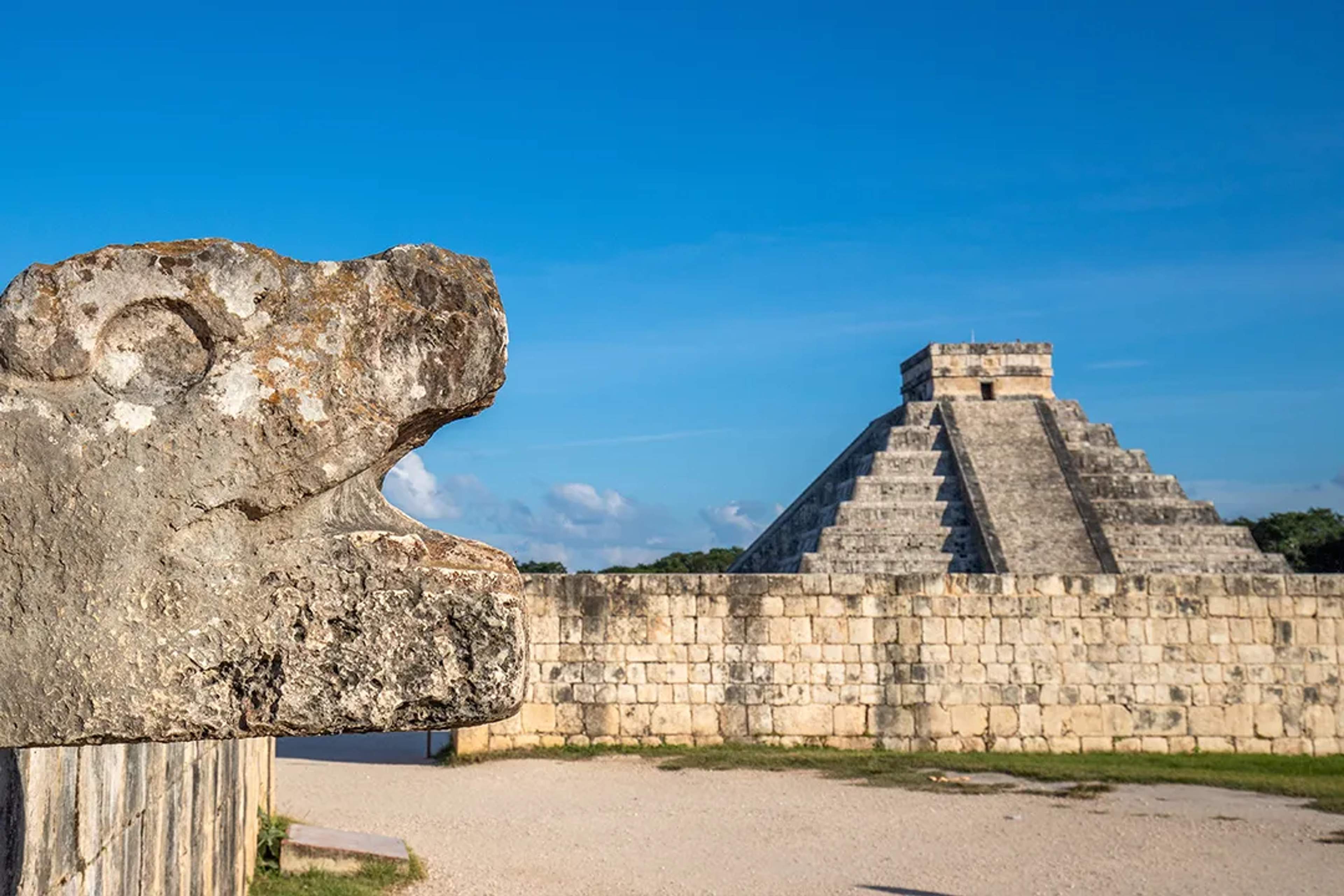
The Yucatan Peninsula holds archaeological treasures that reveal different chapters of Maya development spanning over a millennium. From UNESCO World Heritage sites to jungle-shrouded pyramids where archaeologists continue making discoveries, these ancient cities showcase the sophistication of one of history's most advanced civilizations.
The Maya built over 40 cities across the Yucatan, each serving distinct purposes in their vast network of trade, astronomy, and religious ceremony. You can explore the 100-kilometer Coba-Yaxuna sacbe—one of the longest ancient roads in the Maya world—examine preserved stucco sculptures at Ek' Balam that still reveal traces of their original blue pigment, or discover how the Maya integrated astronomical observation into architecture at El Castillo's design, where the equinox sun creates a serpent shadow descending the pyramid steps.
Choosing which sites to visit depends on what aspects of Maya civilization fascinate you most:
- The Maya-Toltec cultural fusion at Chichén Itzá
- The coastal fortress architecture of Tulum
- The exceptional stucco preservation of Ek' Balam
- The jungle-integrated sacbe network at Cobá
Each site offers distinct windows into Maya achievements in architecture, astronomy, and urban planning across diverse environments.
Chichén Itzá and the Maya-Toltec Civilization
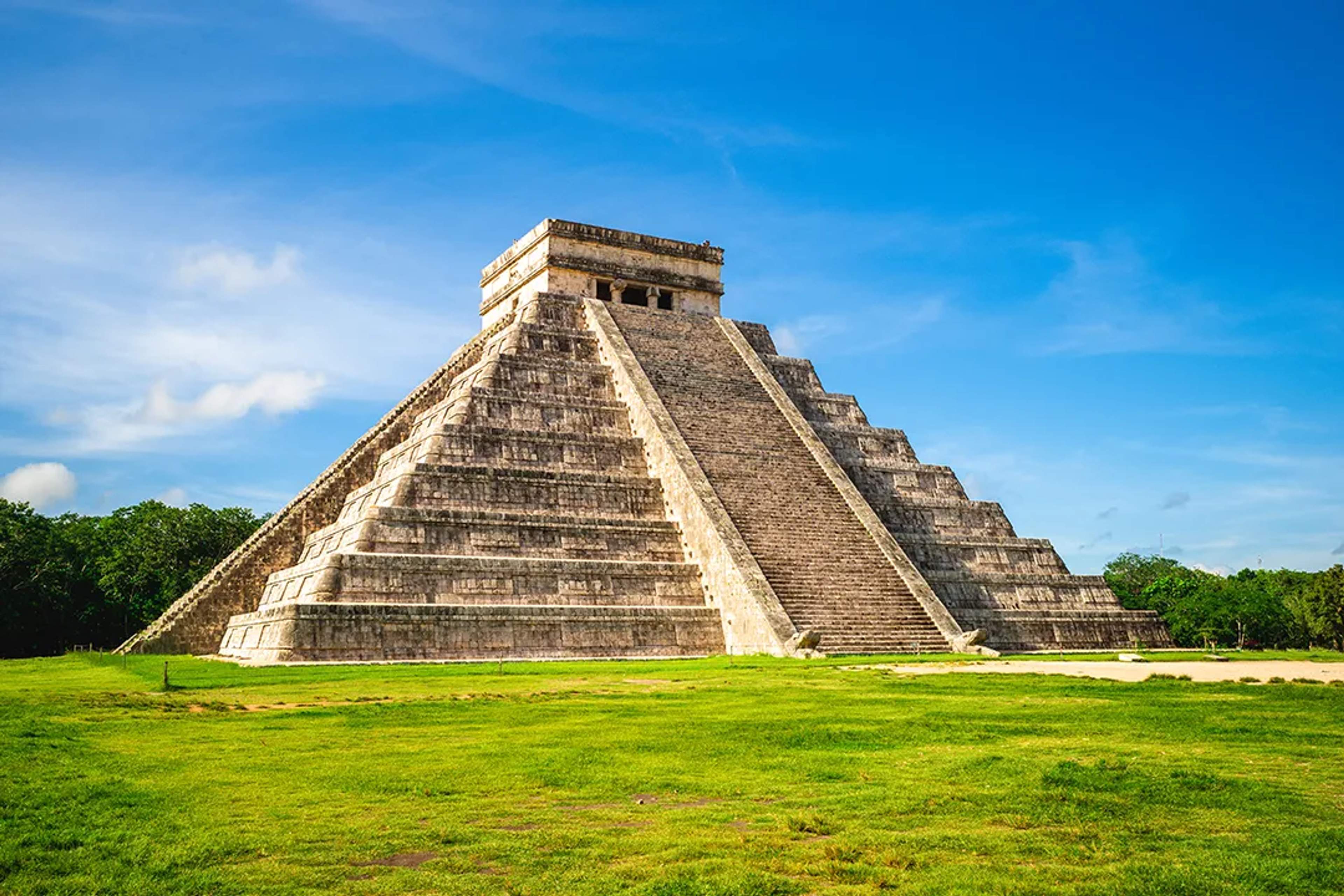
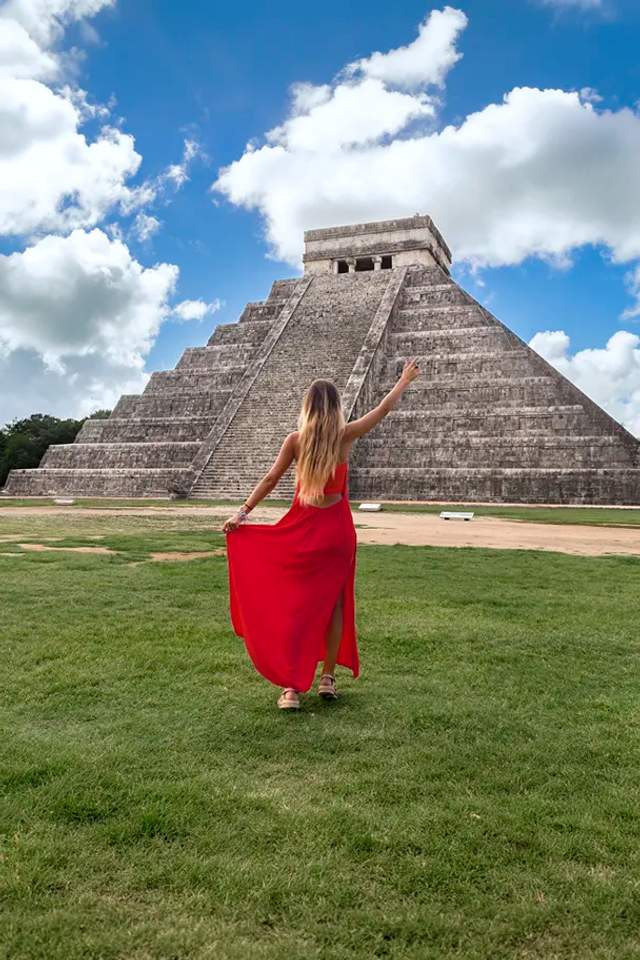
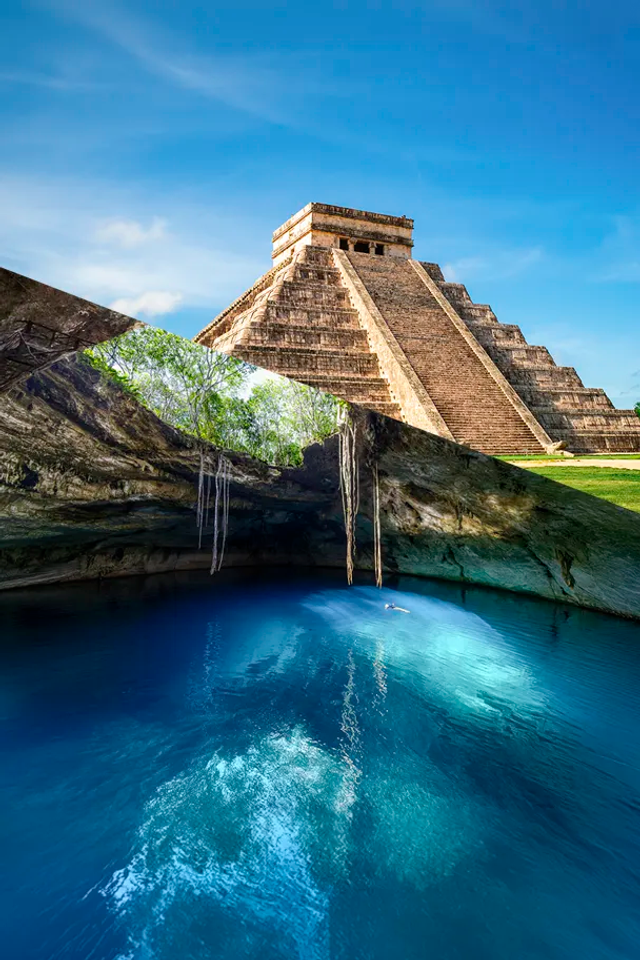
Chichen Itza earned UNESCO World Heritage designation in 1988 for what the organization calls the "most important archaeological vestige" of the Maya-Toltec civilization in Yucatán.
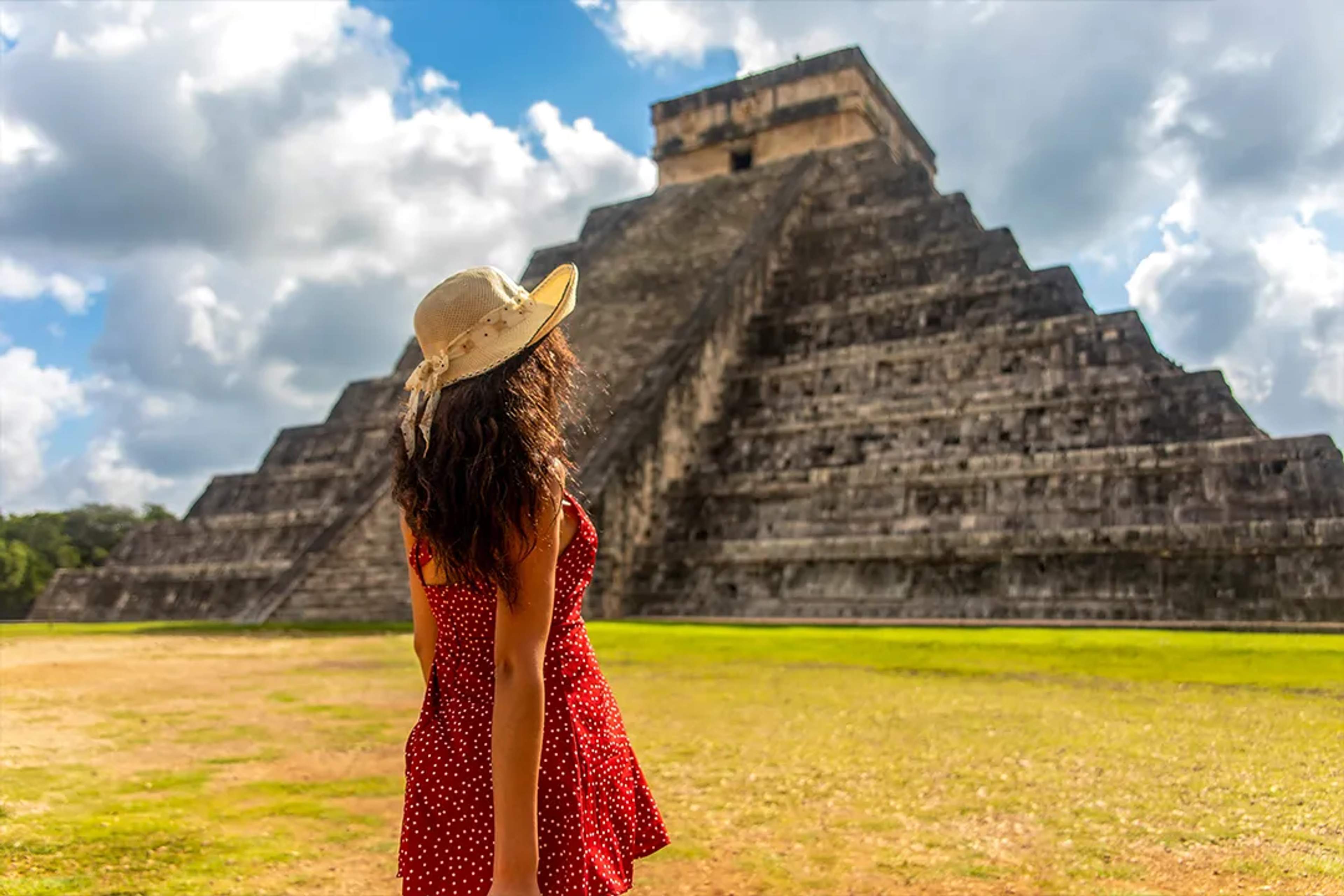
Our Chichen Itza Express Tour takes you directly to El Castillo, one of the New Seven Wonders of the World. You'll understand the astronomical significance behind the pyramid's design as your guide connects pyramid features to Maya cosmology—showing how architects encoded celestial knowledge into every step and platform.
Your guide walks you through the Temple of Warriors, the Great Ball Court, and the Sacred Cenote. The tour departs early to maximize your 2.5 hours at the ancient capital before afternoon crowds arrive.
Round-trip transportation from Cancun and Riviera Maya hotels brings you directly to the site. If you're looking for a more complete experience that includes a cenote swim and traditional Yucatecan lunch, the Chichén Itzá & Cenote Tour turns the day into a full cultural immersion.
Tulum's Coastal Fortress
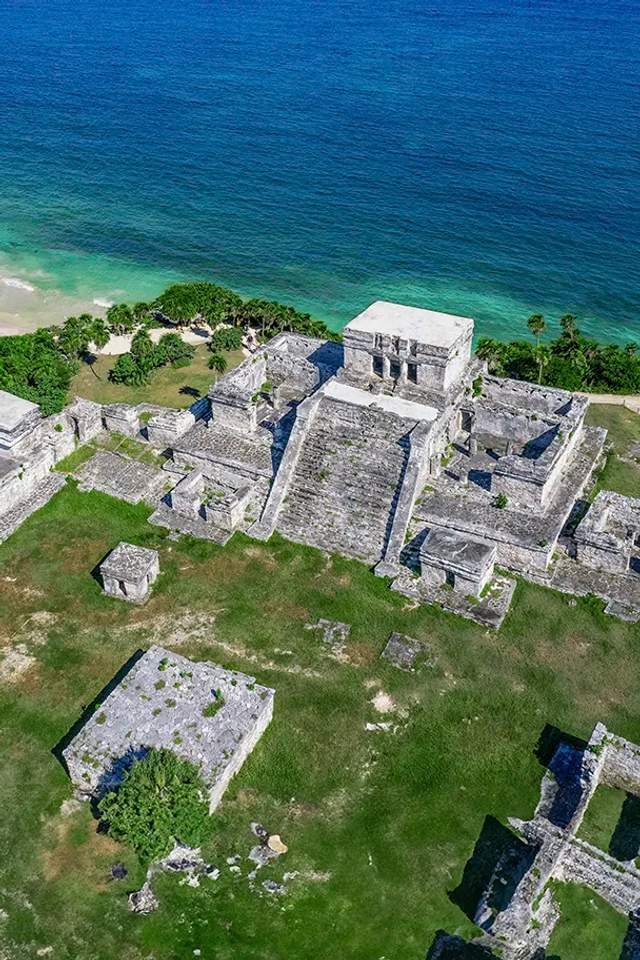
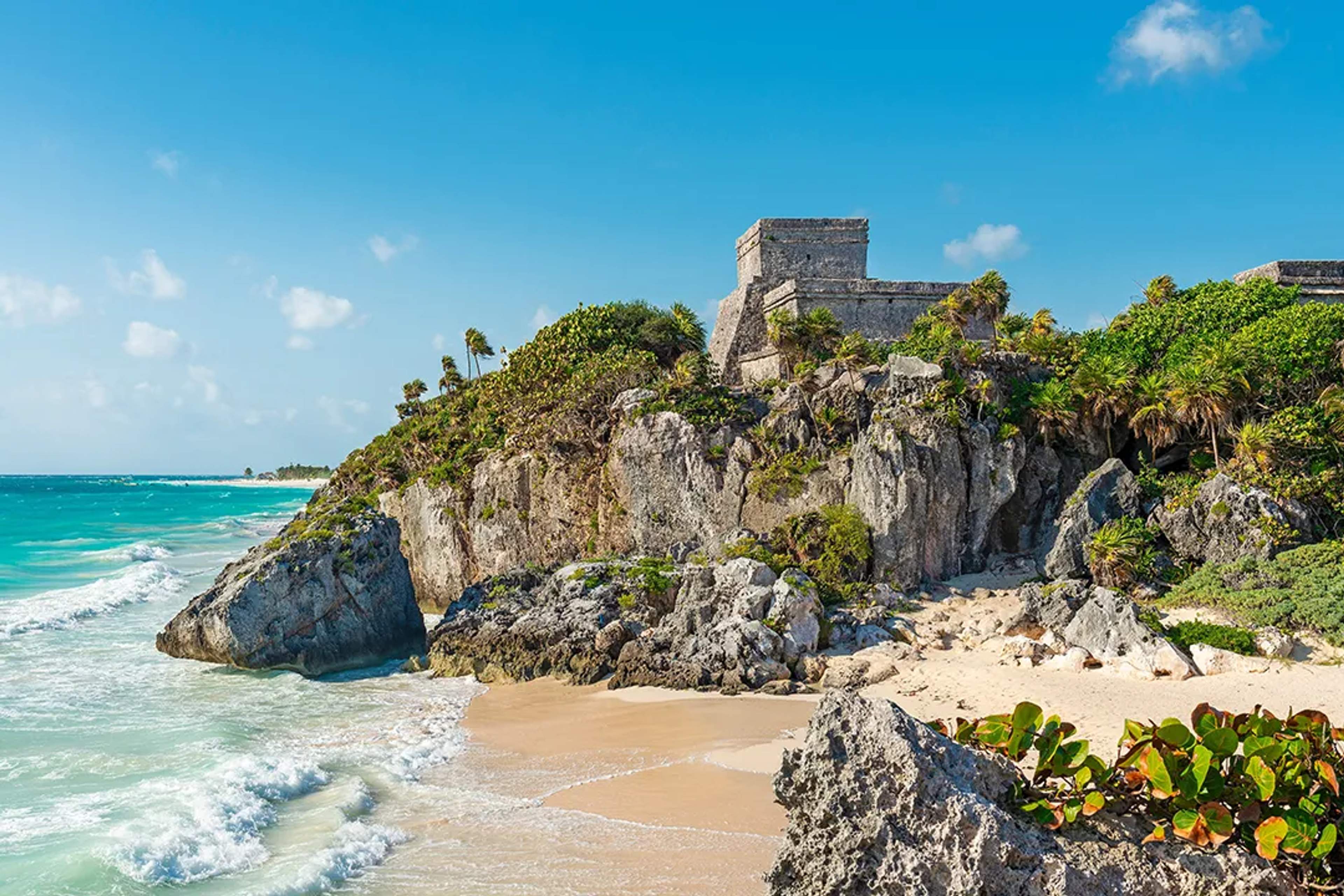
Tulum stands as the only major Maya city built on the Caribbean coast. The clifftop fortress overlooks turquoise waters where Maya traders once launched canoes loaded with jade, obsidian, and cacao.
The Tulum Half-Day Tour works well for travelers who want to experience the ruins without dedicating an entire day. You'll discover how Maya priests used astronomical murals in the Temple of the Frescoes to track solar movements—knowledge that governed agricultural cycles and ceremonial timing.
The tour lasts approximately 2 hours (plus transfer time), and professional bilingual guides are available. Transportation from most hotels in Cancun and the Riviera Maya is included. If you want to turn the ruins into a full-day adventure, the Tulum, Yal Kú & Cenote Tour adds snorkeling in a pristine lagoon, a cenote cave swim, and a beachside lunch at an exclusive beach club.
Ek' Balam's Exceptional Stucco Work
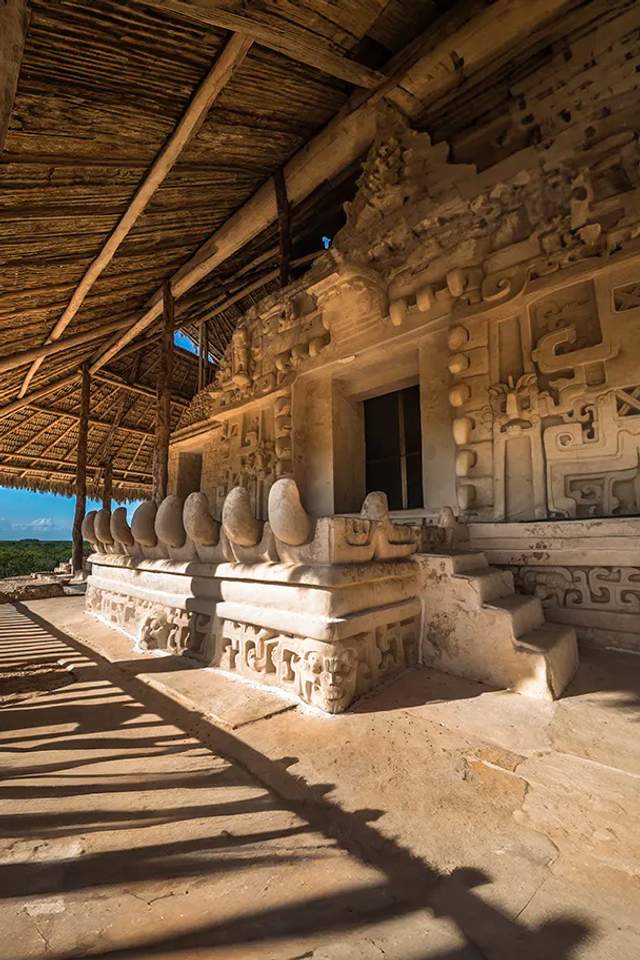
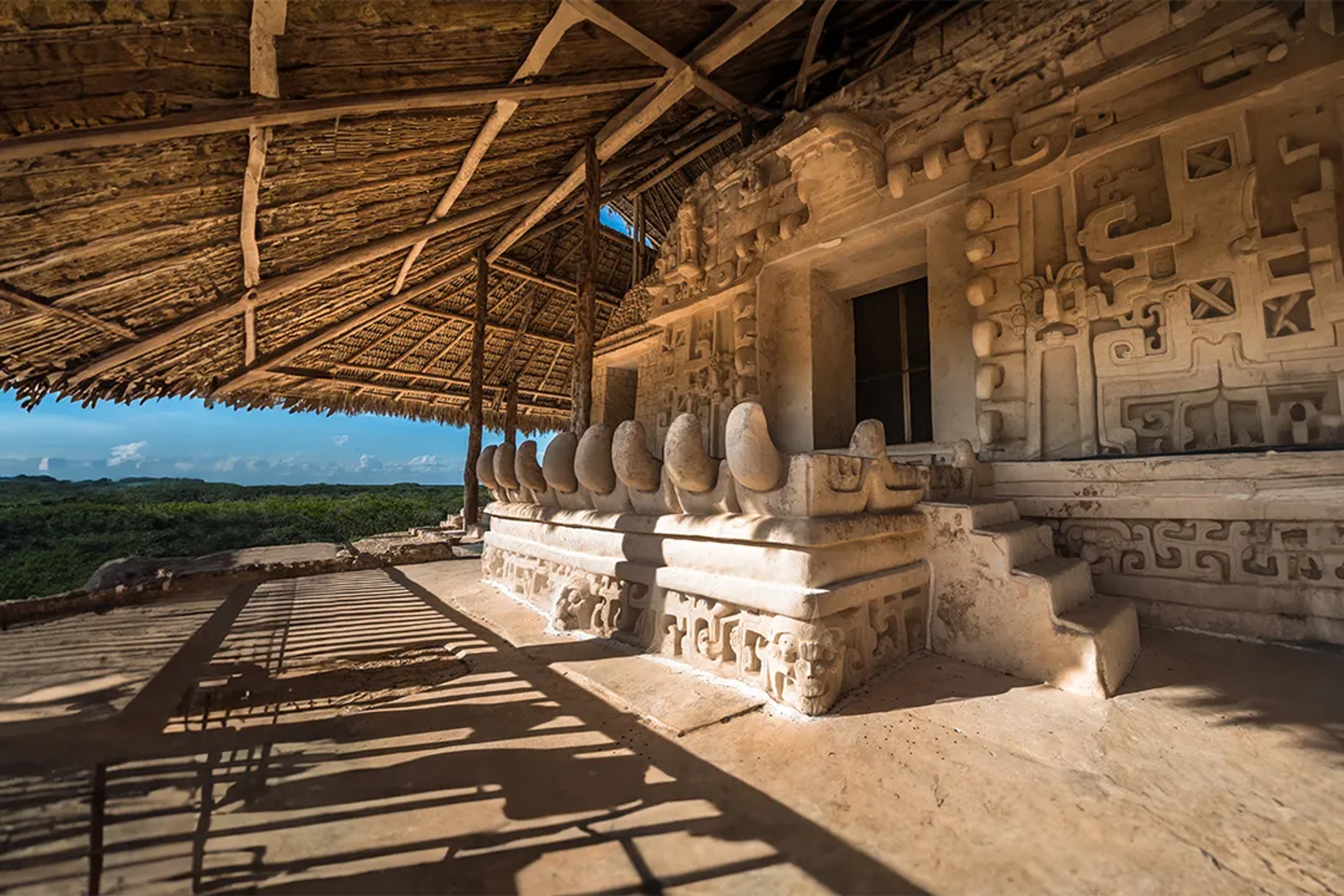
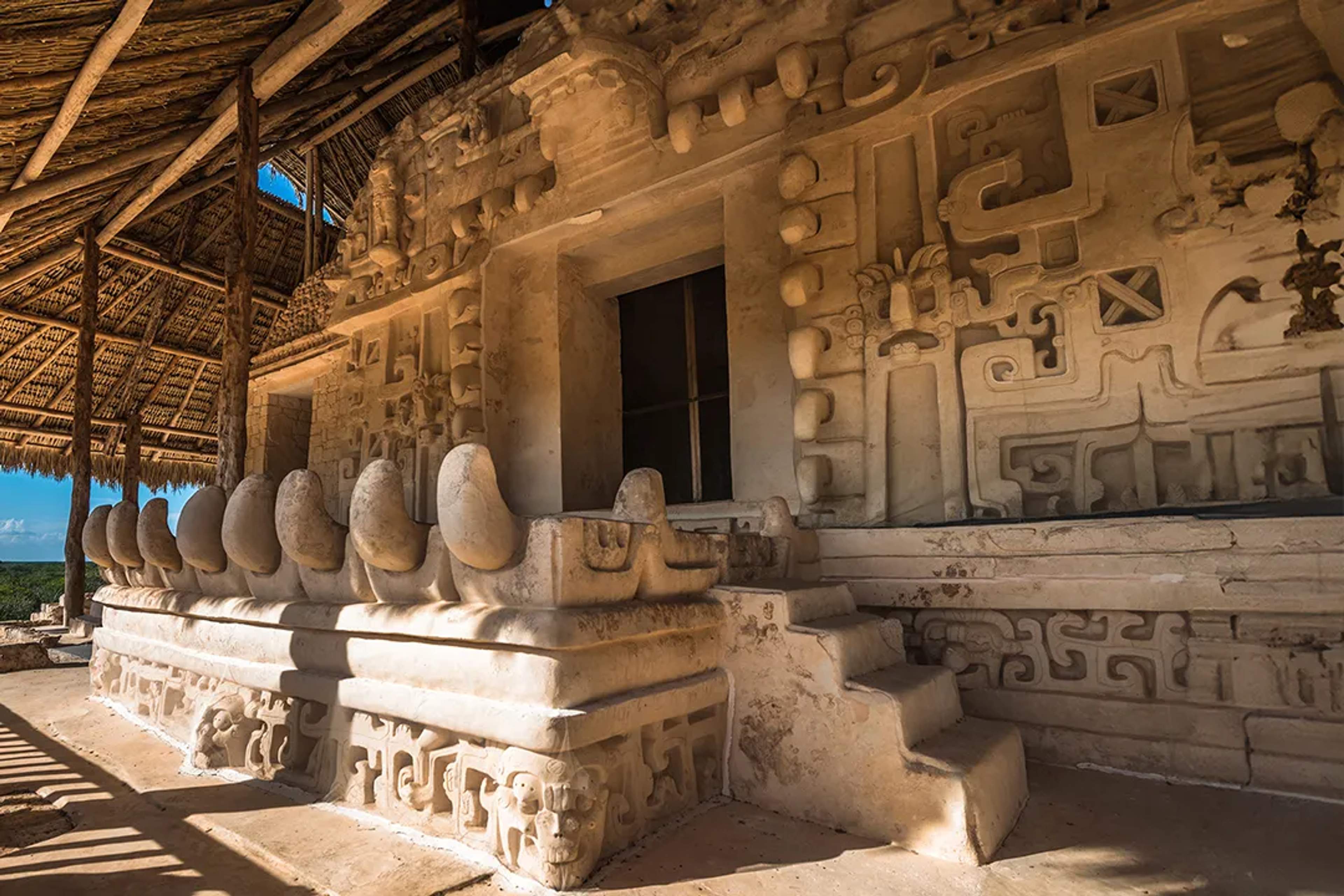
Ek' Balam preserves some of the finest stucco sculptures in the Maya world. The Acropolis pyramid displays intricate carvings of warriors, priests, and supernatural beings that retain remarkable detail after centuries in the jungle.
The Ek Balam Adventure combines the archaeological site with a cenote swim and a visit to colonial Valladolid. You’ll discover remarkably preserved stucco sculptures, intricate carvings, and powerful mythological imagery. Your guide explains how Ek' Balam functioned as a regional power during the Late Classic period.
This full-day experience includes lunch featuring regional delicacies. The site's intimate atmosphere offers a quieter alternative to larger tourist destinations.
Cobá's Jungle Setting and Ancient Roads
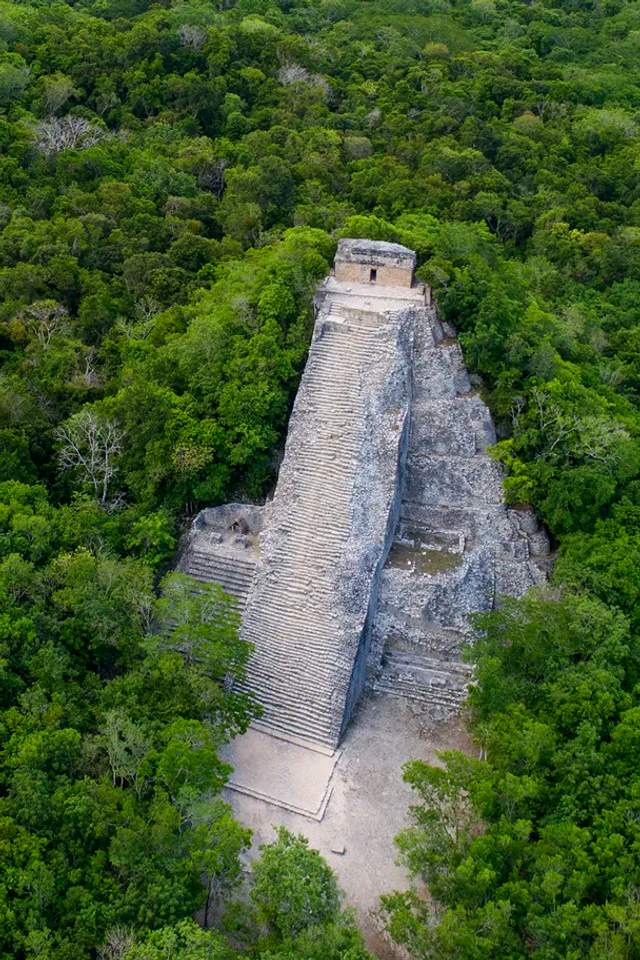
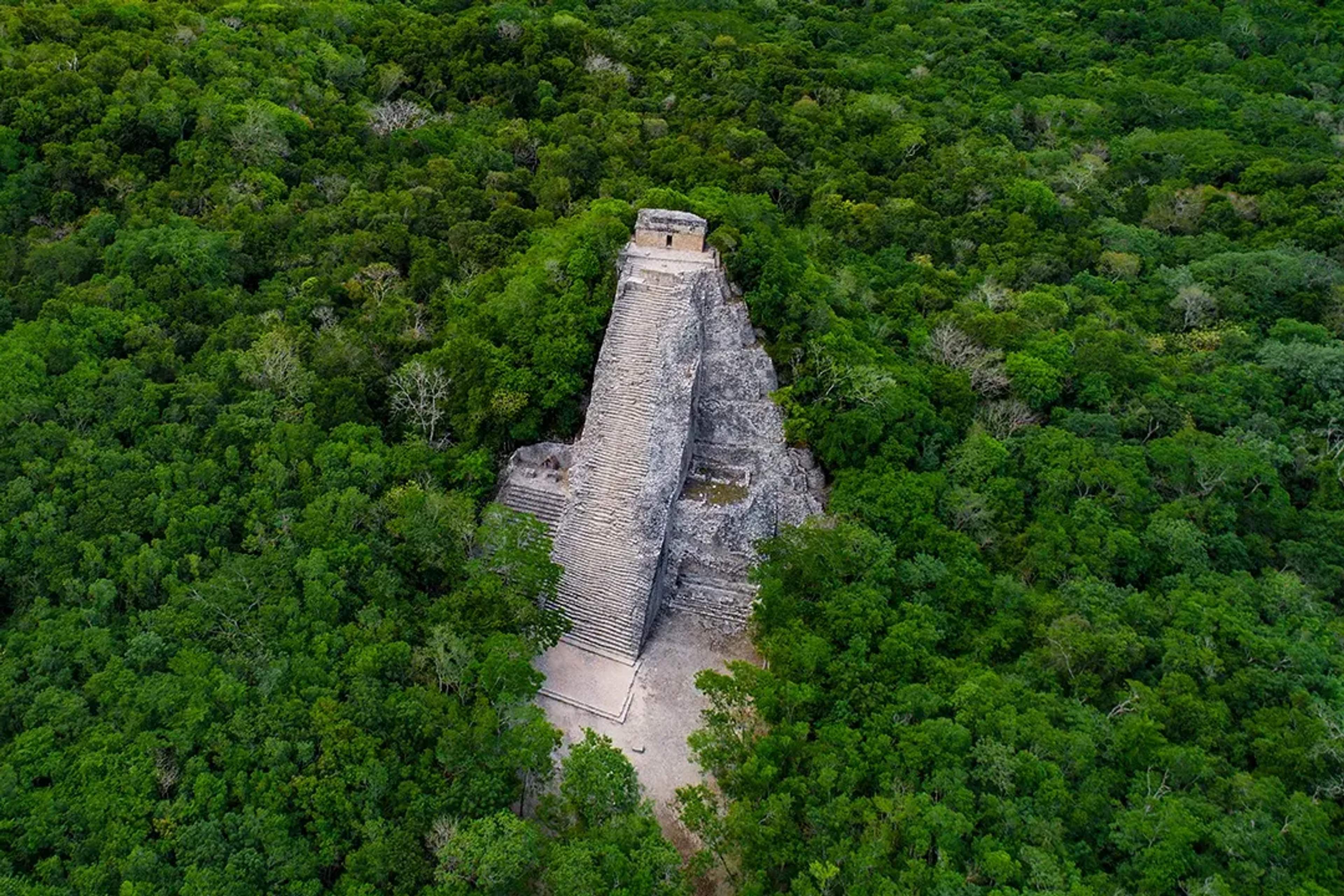
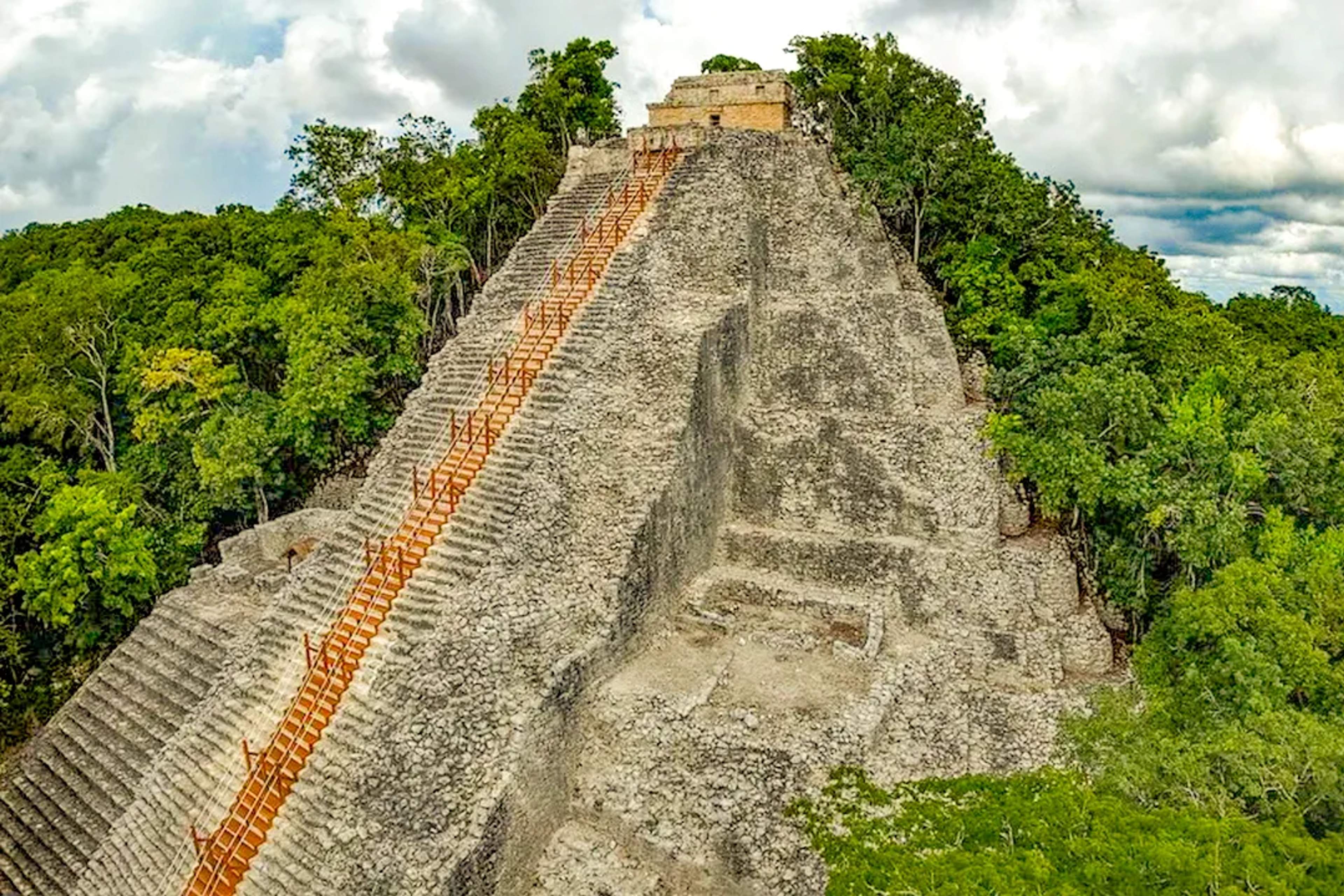
Cobá sprawls across dense jungle where howler monkeys call from ceiba trees. The city controlled an extensive network of sacbeob (white roads) that connected dozens of Maya settlements across the northern Yucatan.
The Coba & Mayan Cenote takes you through the jungle to landmarks like the Nohoch Mul pyramid and ancient ball courts. You'll understand how the sacbe system facilitated trade and political control across vast distances—revealing the engineering sophistication behind Maya urban planning.
This tour includes round-trip transportation, entrance fees, a professional guide, and refreshments. The excursion also includes a sacred shaman ritual, a swim in a crystal-clear cenote, and savor an authentic regional lunch.
Planning Your Maya Ruins Experience
Each site tells a different story about what made Maya civilization extraordinary. At Chichen Itza, you'll witness how Maya builders incorporated Toltec influences from central Mexico, creating architectural fusion that eventually earned the site recognition as one of the New Seven Wonders of the World. Tulum's clifftop position reveals how the Maya defended their most valuable commodity—control of Caribbean trade routes where jade, obsidian, and cacao moved between distant regions.
Ek' Balam's Acropolis displays stucco artistry so detailed that you can still see the expressions on carved faces after centuries exposed to jungle humidity. Meanwhile, Cobá's sacbe network demonstrates the engineering ambition behind connecting dozens of settlements across distances that would challenge even modern road builders.
Frequently Asked Questions
Which ruins are closest to Cancun?
Tulum sits approximately 2 hours south of Cancun, making it the closest major archaeological site to the hotel zone.
Can you visit multiple ruins in one day?
We don't recommend combining distant sites like Chichen Itza and Tulum in a single day. The travel time alone reduces your ability to fully appreciate each location's unique characteristics. Instead, consider dedicating separate days to each site so you can explore at a comfortable pace and absorb the historical significance without feeling rushed.
What's the best time to visit Maya ruins?
Morning visits offer cooler temperatures and smaller crowds, making your experience more comfortable and allowing for better photographs without masses of tourists in the background. Our express tours depart early to maximize your time at the sites before midday heat intensifies and tour groups from cruise ships arrive.
Are the ruins suitable for families with children?
Yes, the Tulum and Ek Balam tours work particularly well for families with children. Both sites feature manageable walking distances that won't exhaust young legs, and the combination of climbing opportunities, wildlife sightings, and engaging historical stories helps hold children's attention throughout the visit.
What should I bring to archaeological sites?
Wear comfortable walking shoes and bring sun-protective clothing, insect repellent, and a refillable water bottle to stay hydrated throughout your visit. Single-use plastic bottles aren't permitted at most archaeological zones, so bringing a reusable container ensures you'll have water access while respecting local environmental regulations.
Experience Maya Innovation Firsthand
The Yucatan's archaeological sites reveal thousands of years of Maya innovation across architecture, astronomy, and urban planning. Whether you're drawn to coastal fortresses, jungle pyramids, or artistic achievements preserved in stucco, these ruins connect you with one of history's most sophisticated civilizations. Our guides walk these sites daily and help you discover the aspects of Maya culture that resonate most with your interests.