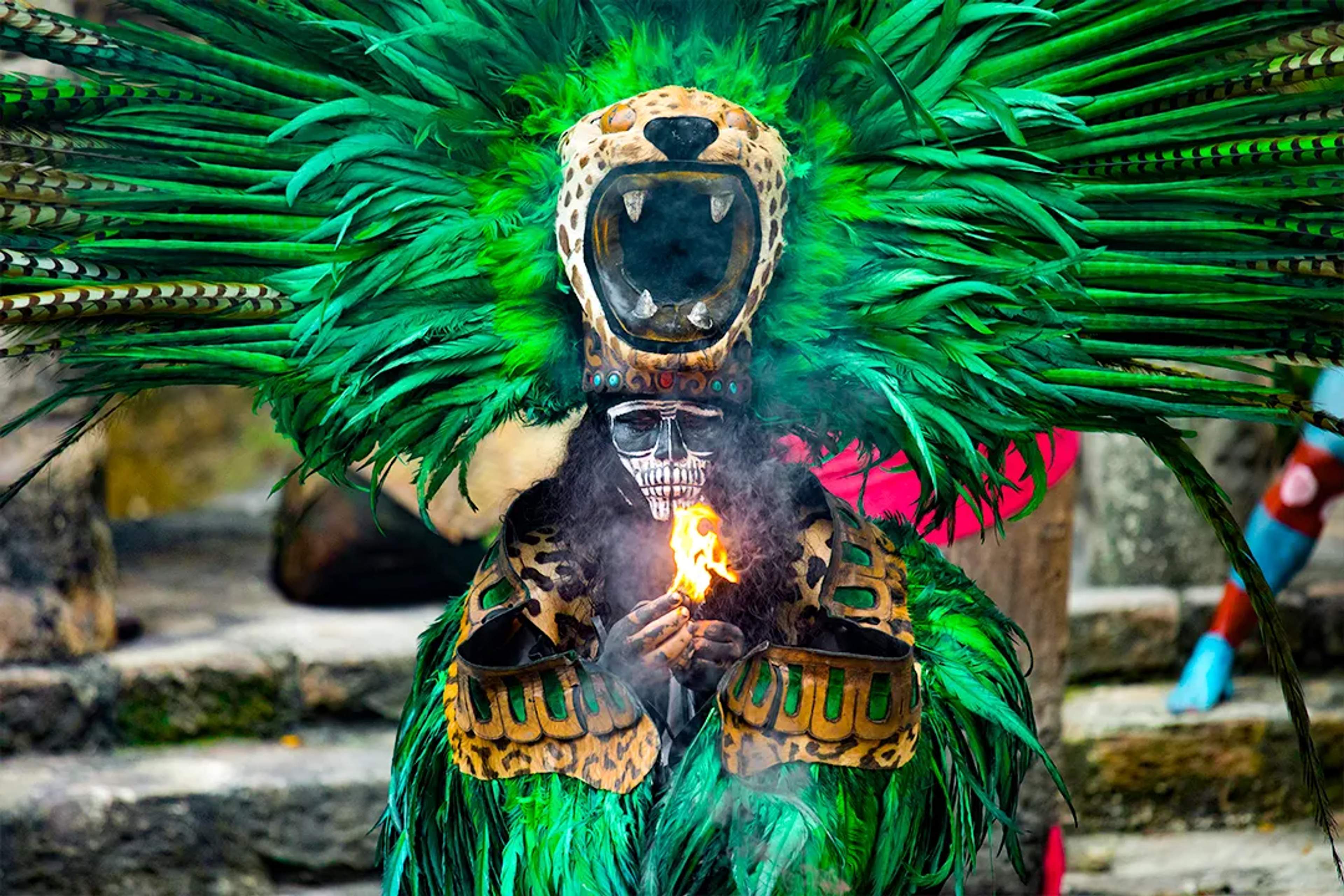
Beyond Cancun's beaches lies the authentic Yucatán: ancient Maya cities where astronomical precision meets stone architecture, colonial plazas where locals gather at dusk, and street vendors serving dishes UNESCO recognizes as cultural heritage.
These ten experiences reveal the real culture—the one that existed centuries before the Hotel Zone and continues thriving just beyond it.
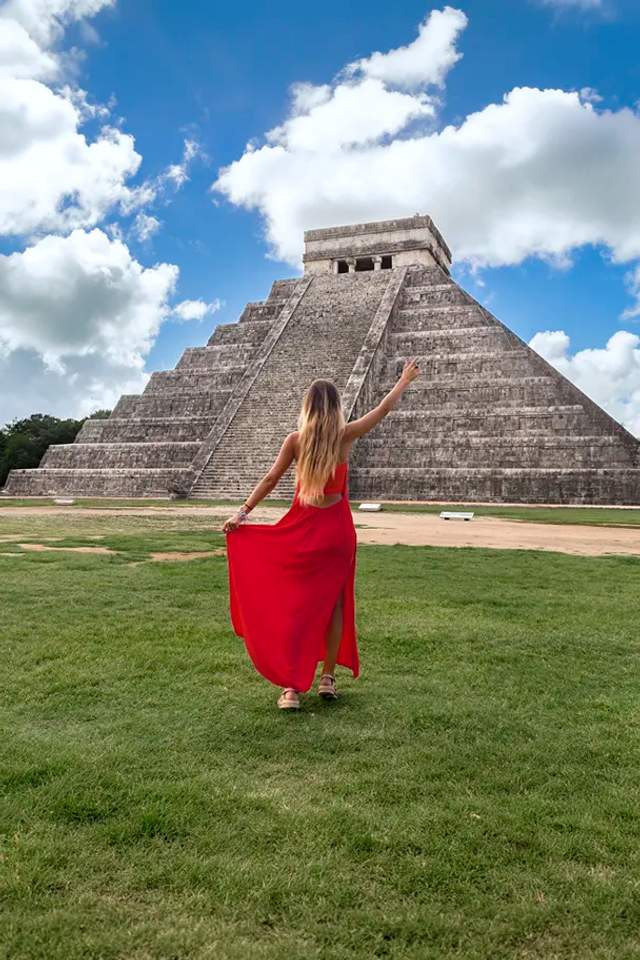
Stand Before El Castillo at Chichen Itza
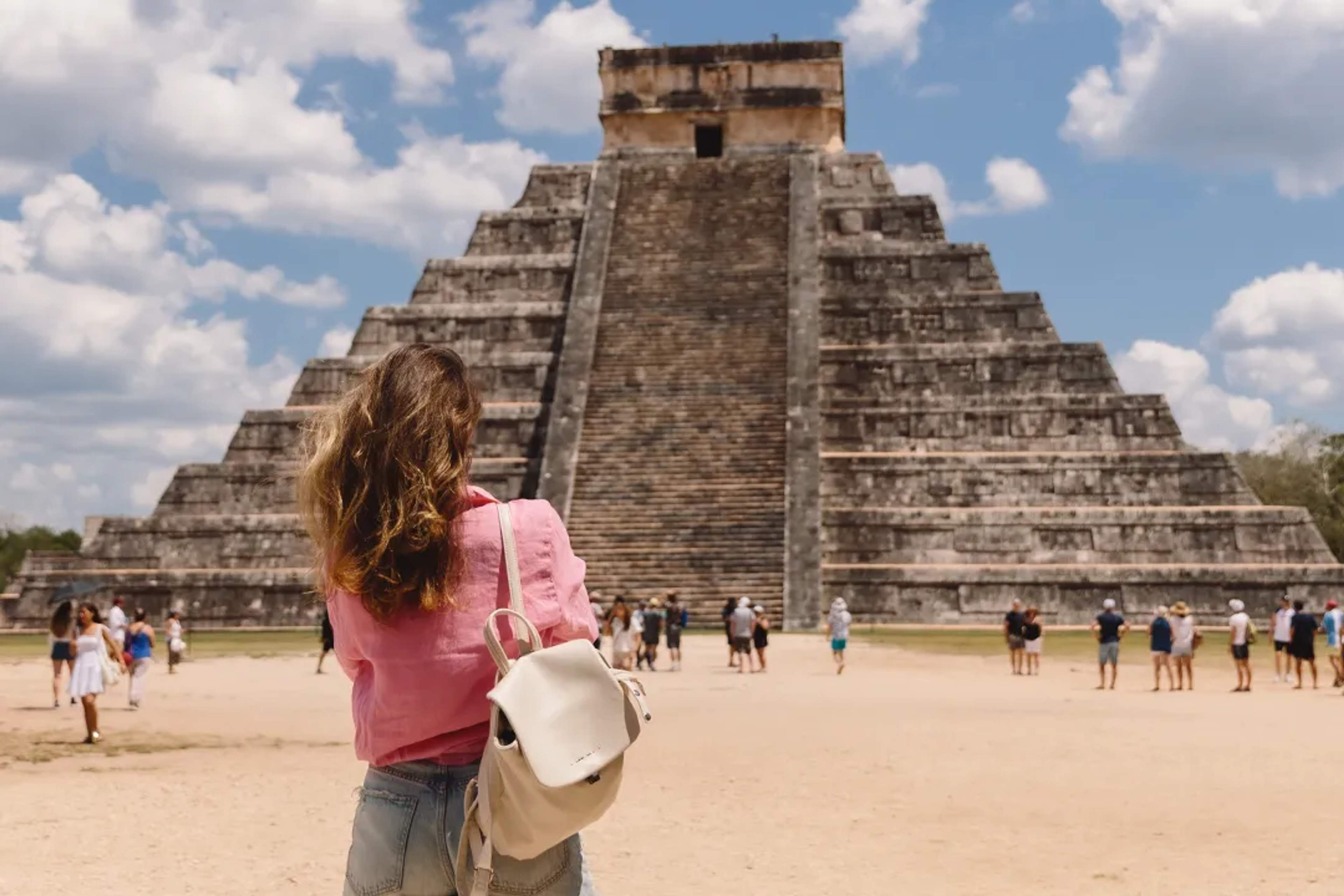
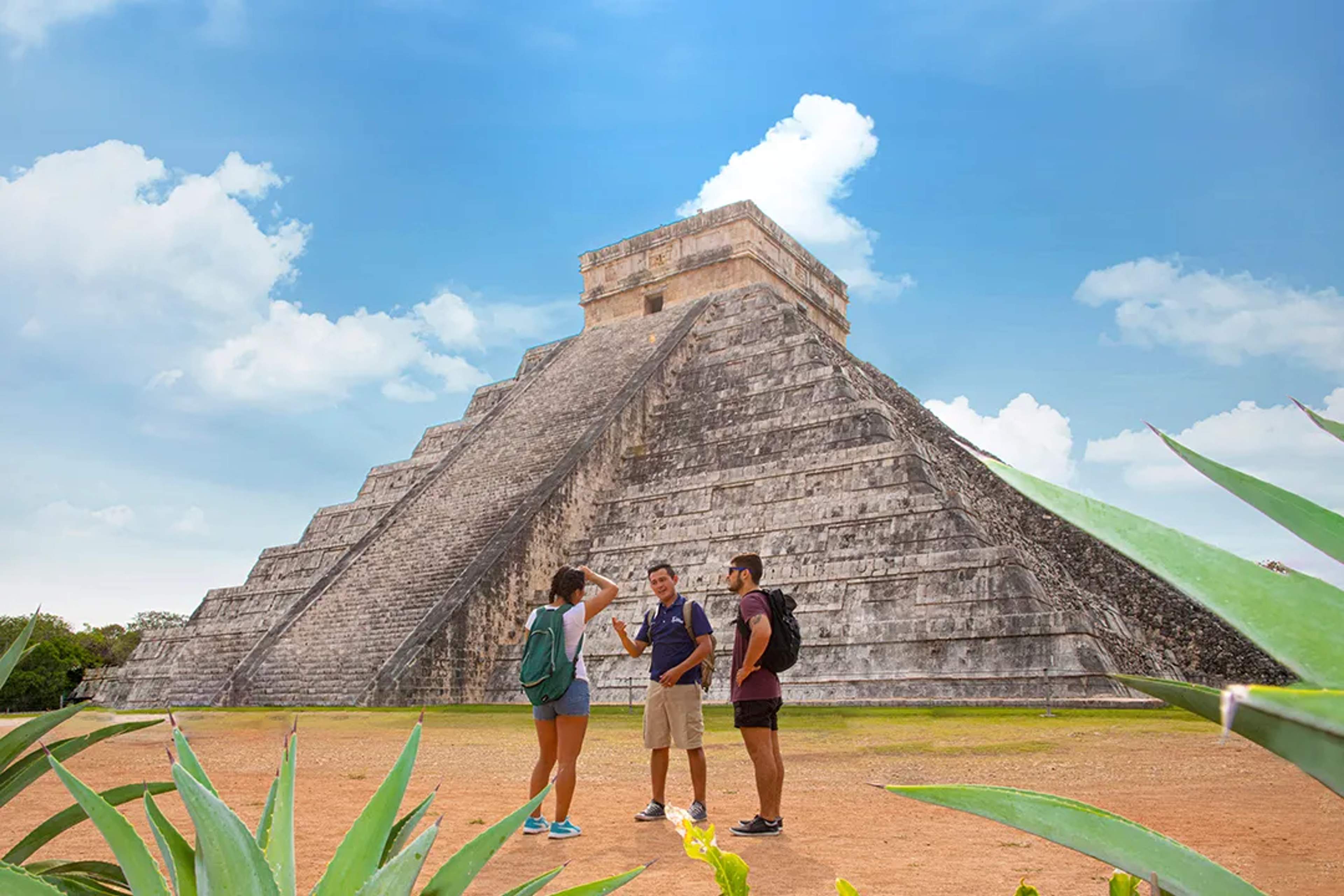
El Castillo rises from the plaza: the Temple of Kukulcán, a three-dimensional calendar built in stone. Stand before it and you're looking at astronomical knowledge carved into architecture. The pyramid's design reflects sophisticated timekeeping: 364 pyramid steps across four stairways (91 on each face), plus the temple platform for 365 total units matching the solar year. Nine terraces contain 52 Maya calendar panels, and during equinoxes, light creates a serpent descending the northern staircase.
These elements combine to demonstrate Maya astronomical precision. Beyond the pyramid, The Great Ball Court, Mesoamerica's biggest at 120 by 30 meters, carries whispers 500 feet between ends.
The Chichen Itza Express Tour handles the logistics and timing. For a fuller experience that pairs the ruins with a refreshing cenote swim and traditional Yucatecan lunch, the Chichén Itzá & Cenote Tour makes it a complete day.
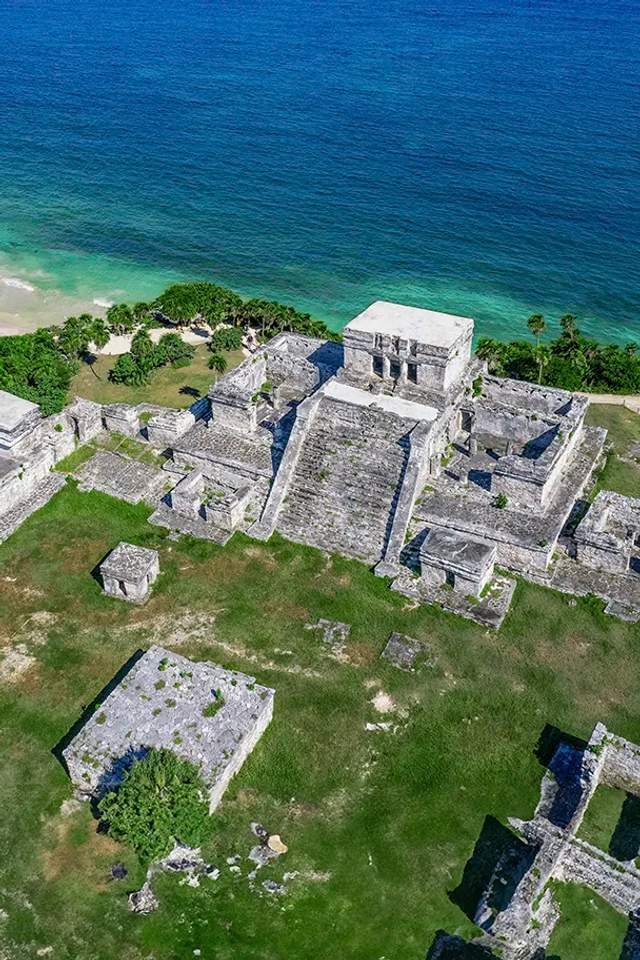
Walk the Cliffside Ruins at Tulum
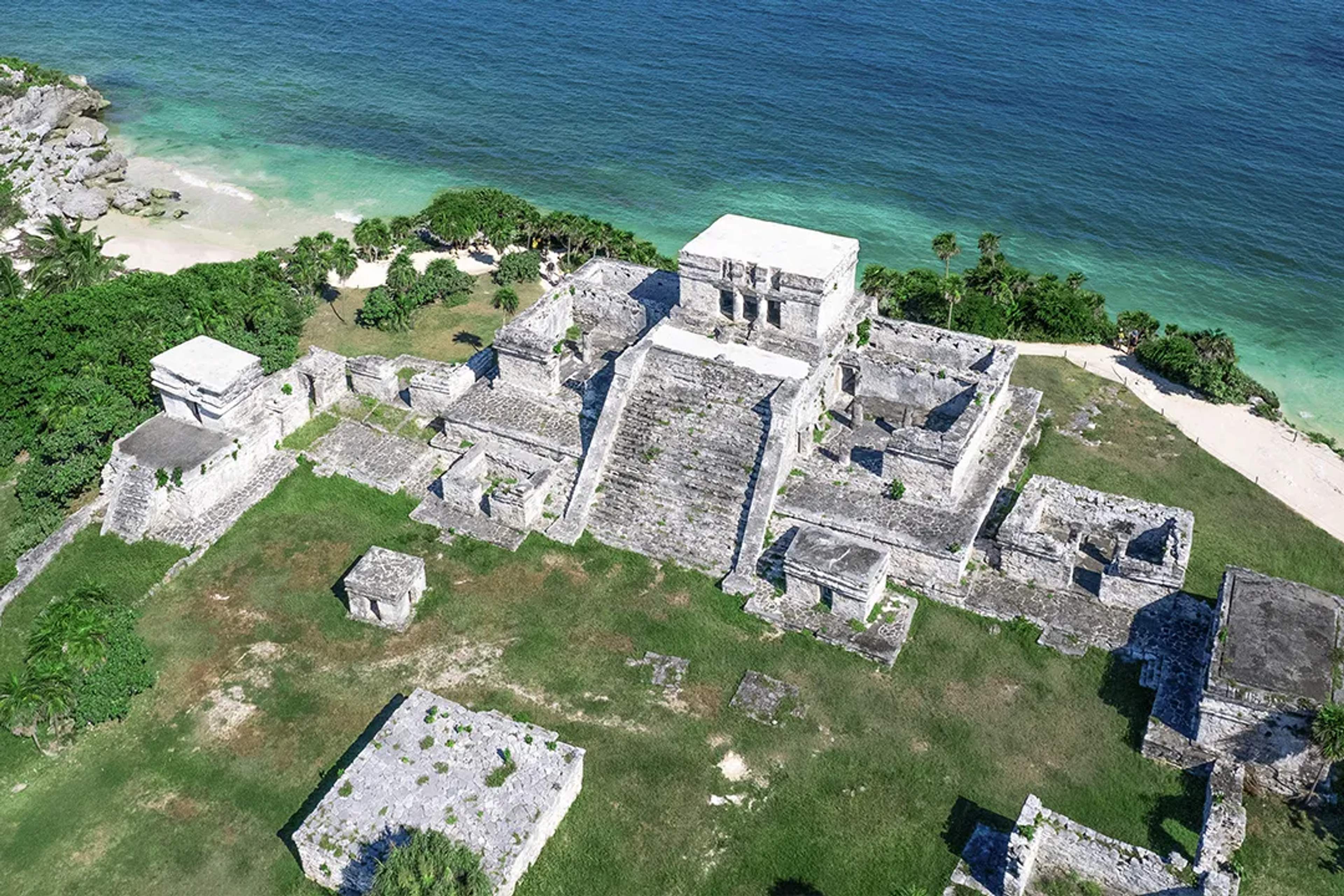
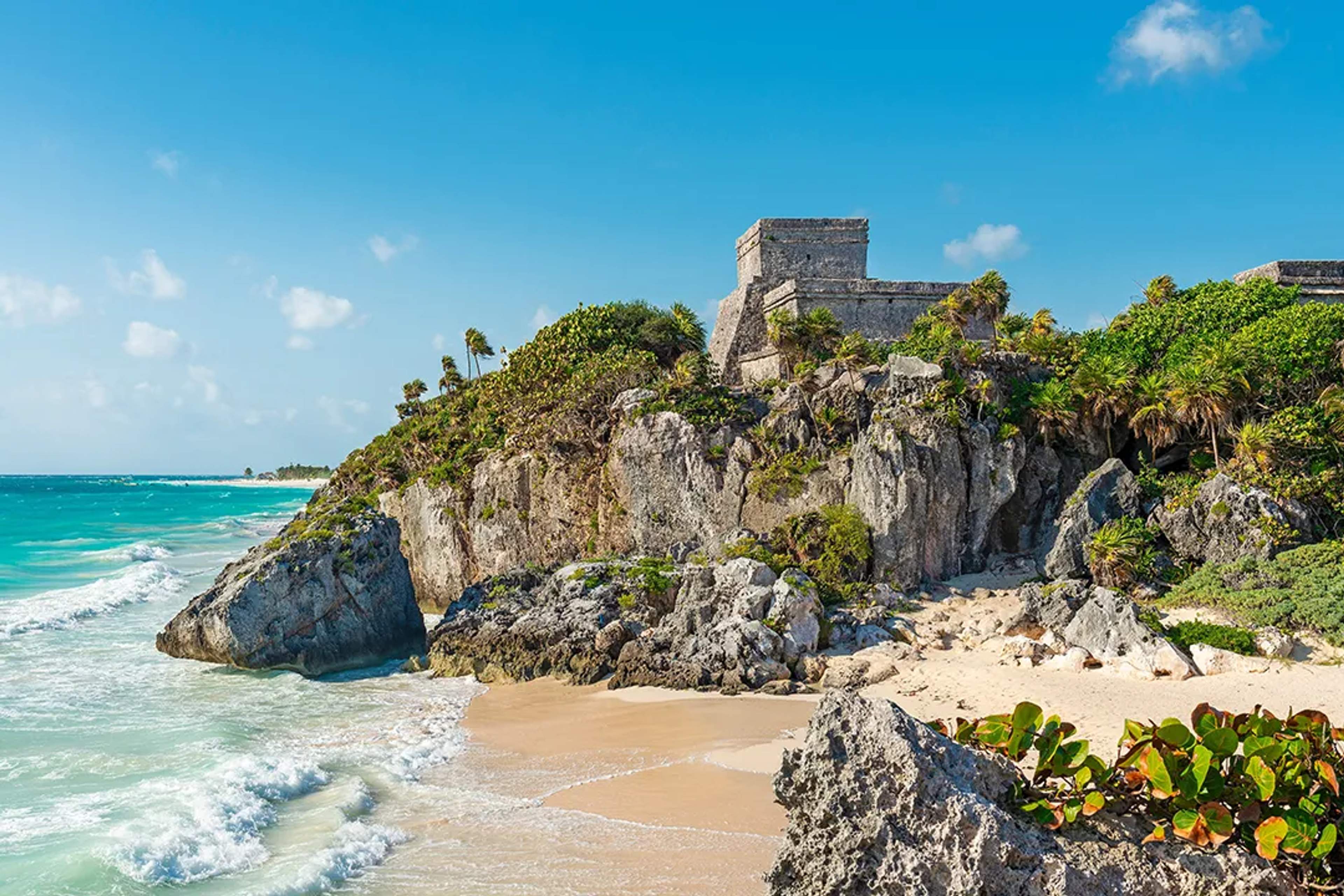
Tulum stands alone in Maya civilization: the only major city built directly on the Caribbean coast. The ruins perch on 39-foot cliffs with waves crashing below and Caribbean breeze moving through ancient stone chambers. This dramatic location made Tulum both fortress and crucial trading port, serving as one of the last Maya cities inhabited before Spanish contact.
The Temple of Frescoes houses the best-preserved Maya murals from this era, showing deities and celestial beings in colors that have survived since the 13th-15th centuries. The paintings tell stories about agricultural cycles and the underworld: cultural narratives that transform these walls from photo backdrop to historical document.
Look for the distinctive "Descending God" motif throughout the site: a diving figure believed to represent a protective deity. This imagery appears repeatedly across multiple structures, creating Tulum's distinctive theological identity.
Looking for a hassle-free way to see the Tulum ruins? Our Tulum Ruins Half-Day Tour manages early access logistics with hotel pick-up available.
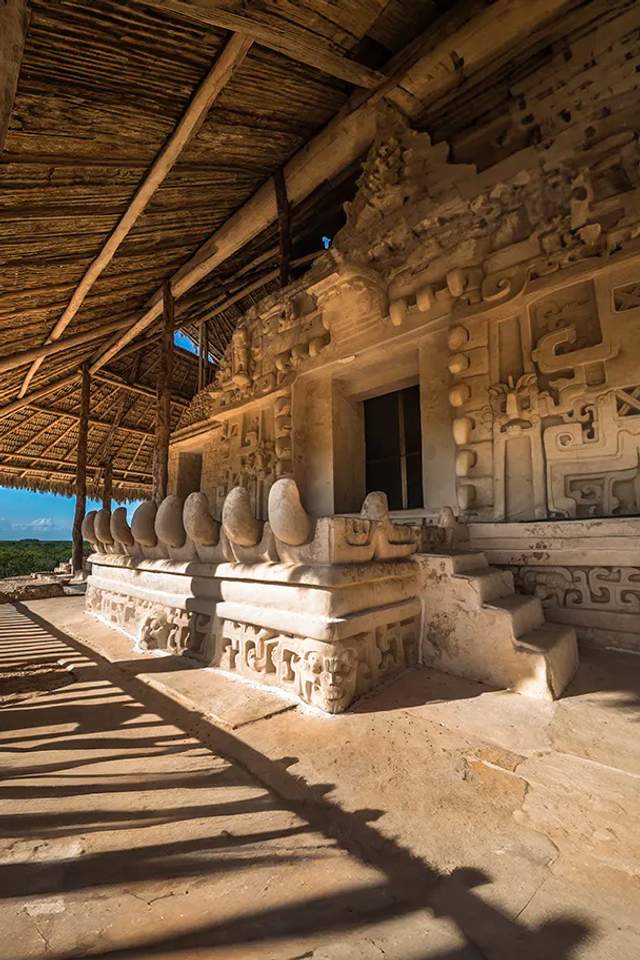
Discover the Acropolis at Ek Balam
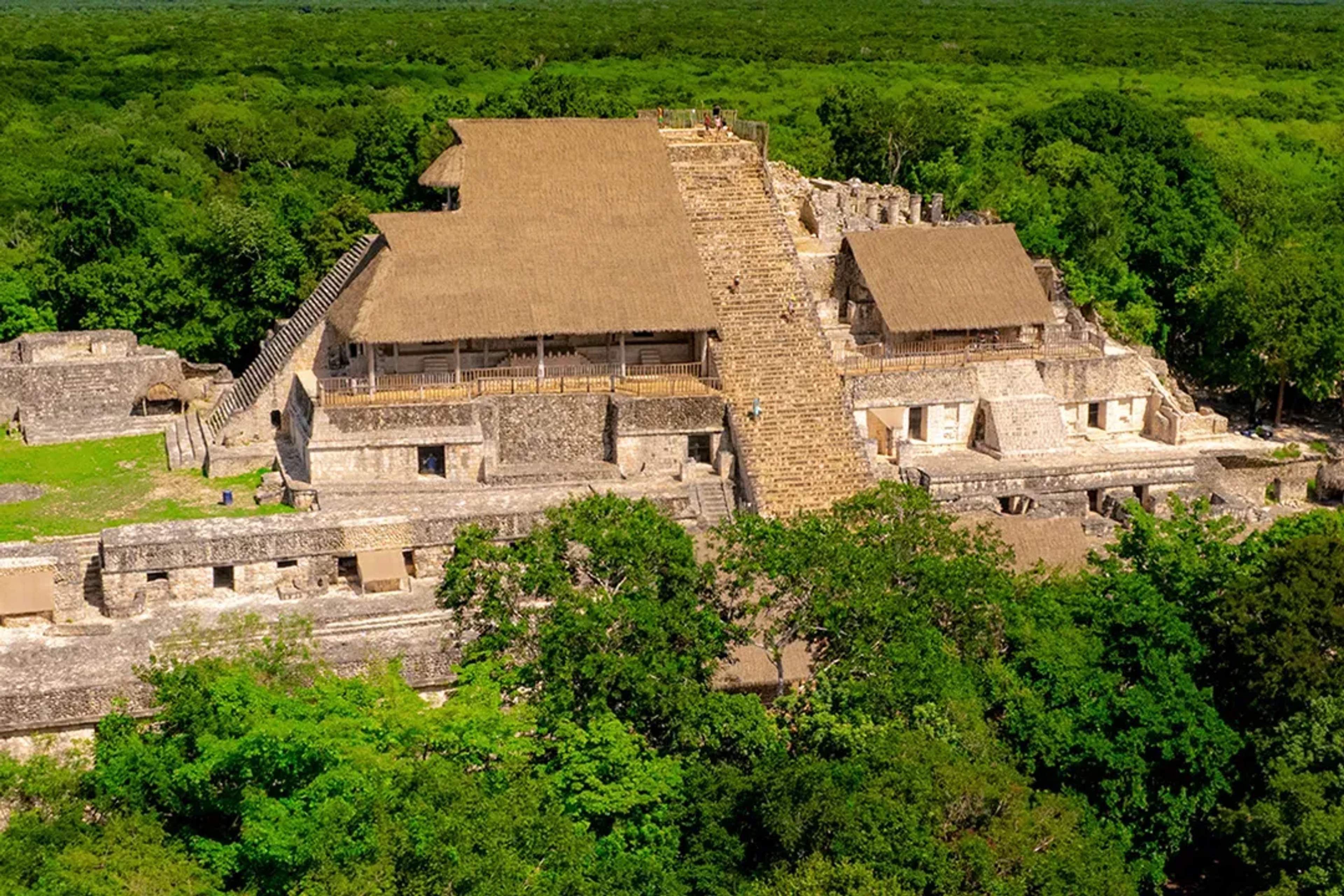
Ek Balam offers something rare: exceptional stucco art you can study up close, uncrowded structures, and active archaeological discovery where teams continue making significant finds. The Acropolis rises from the jungle, housing more than 70 rooms and the burial chamber of the ruler Ukit Kan Lek Tok' himself.
The entrance passes through a spectacular stucco mouth with teeth: the gateway to Xibalba, the Maya underworld. The stucco sculptures represent one of the best-preserved facades in the Maya region, depicting deities, supernatural beings, warriors, and ancestral figures that reveal the Maya worldview and cosmology in remarkable detail. Unlike heavily touristed Chichen Itza, Ek Balam remains relatively unknown, allowing you to stand before those stucco reliefs without fighting crowds.
Our Ek Balam Ruins Adventure combines the ruins with cenote swimming. After your refreshing swim, indulge in a delectable feast showcasing the rich culinary heritage of the Yucatan region.
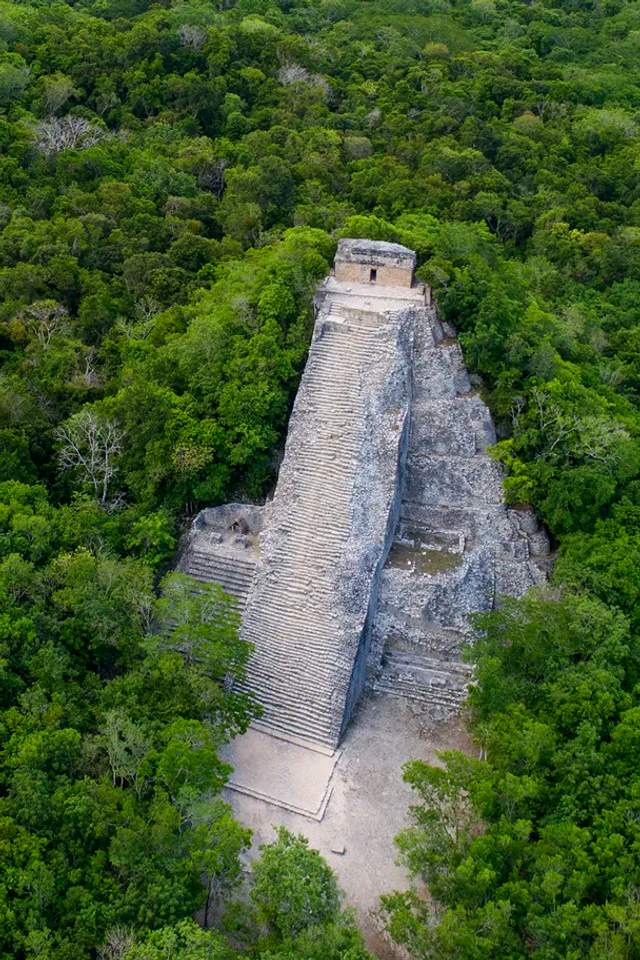
Discover Coba
Coba's Nohoch Mul pyramid stands approximately 42 meters (138 feet) high: the tallest pyramid in the Yucatan Peninsula. You'll bike through jungle between structures or walk the ancient white roads yourself, experiencing the site's true significance in its sacbeob: raised white roads connecting the city to other Maya centers. The longest stretches about 60 miles to Yaxuna near Chichen Itza.
Coba & Mayan Cenote tour handles the routing.
Eat Your Way Through a Street Taco Tour
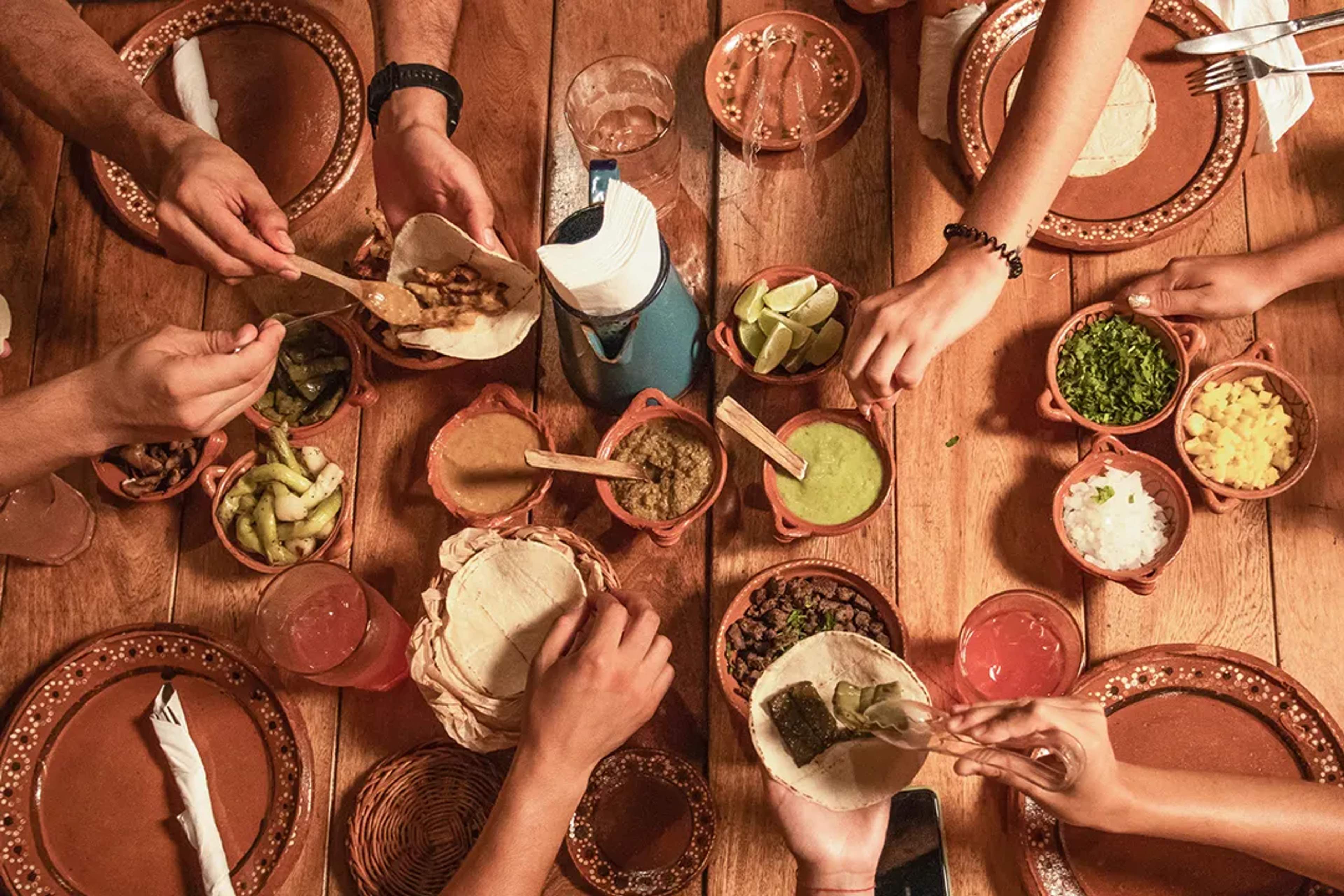
UNESCO inscribed Traditional Mexican Cuisine on the Representative List of the Intangible Cultural Heritage of Humanity in 2010: one of the first cuisines globally to receive this distinction. Yucatan's regional specialties reflect distinct Mayan-Spanish synthesis unique to the peninsula, with cochinita pibil representing the quintessential dish: slow-roasted pork marinated in citrus and annatto seed.
Cooked in underground pits using techniques connecting directly to pre-Hispanic Maya methods, it demonstrates culinary continuity spanning centuries. Traditional dishes incorporate distinctive ingredients including habanero peppers and epazote: markers of authentic Yucatecan culinary identity.
Our Taco Tour has almost a thousand reviews and an impeccable 5-star rating, and has been awarded by TripAdvisor as one of the Top Experiences in Mexico, connecting you with neighborhood vendors maintaining traditional preparation methods.
Browse Mercado 28 for Handicrafts
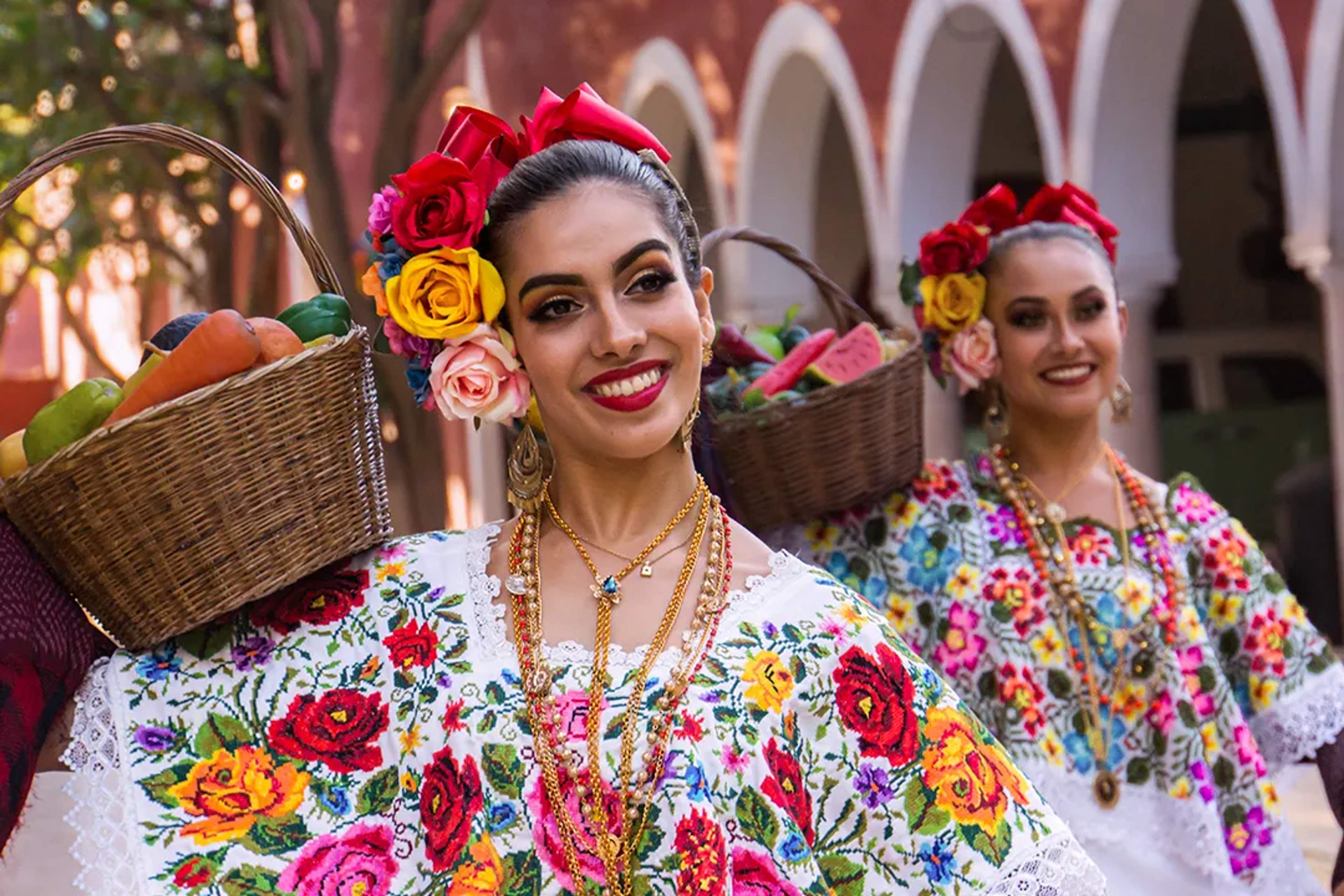
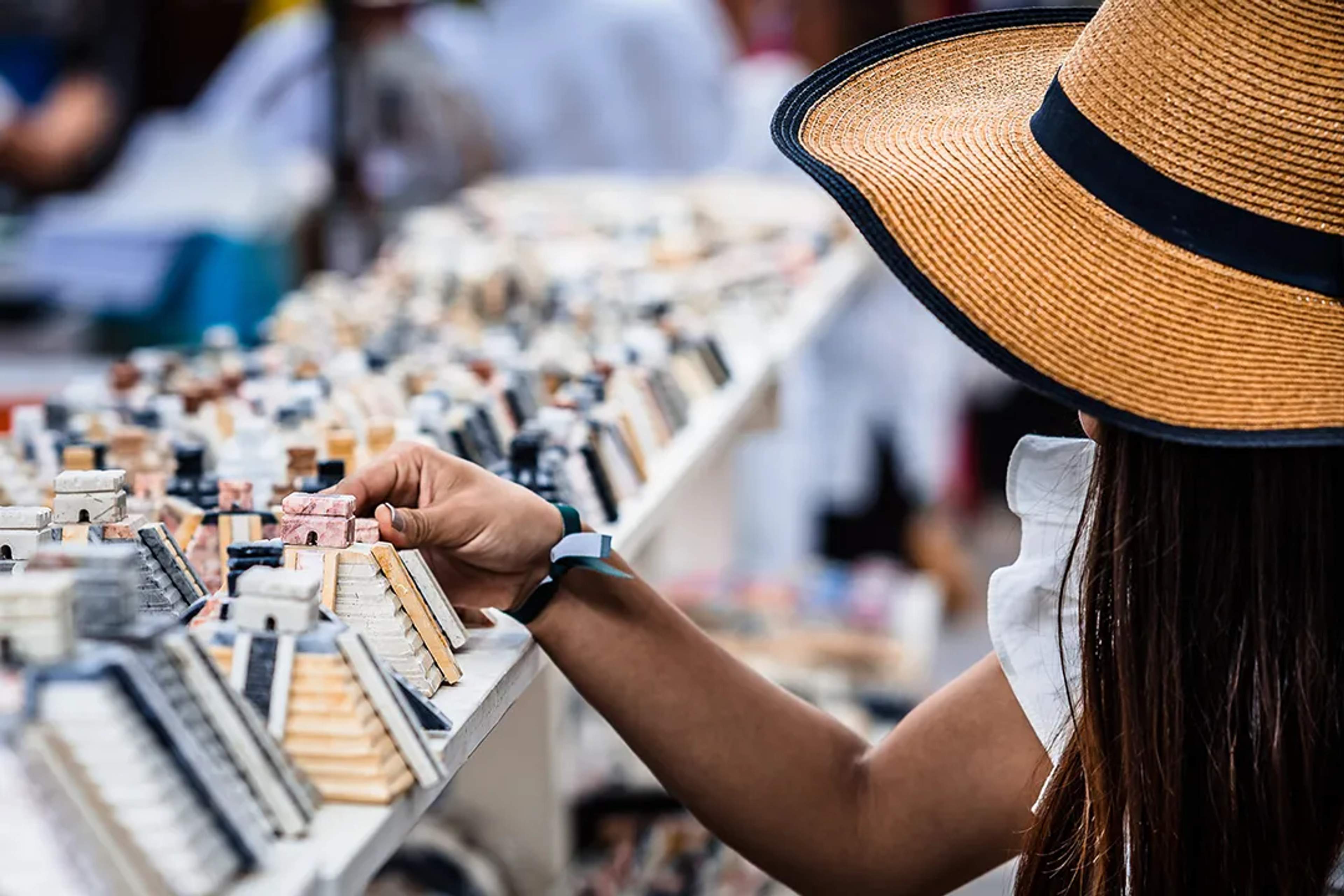
Recognizing quality artisan work requires examining materials, techniques, and cultural motifs specific to Mexican artesanía traditions. Authentic pieces show hand-crafted imperfections, traditional materials specific to particular regions, and cultural symbolism rooted in indigenous traditions: distinguishing genuine work from mass production. In the Yucatan specifically, these traditions trace directly to ancient Mayan civilization, representing centuries of accumulated knowledge passed down through generations.
Mercado 28 offers traditional Mexican handicrafts including textiles, folk art, jewelry, and regional food products. Yes, it's a bit touristy, but purchasing decisions directly impact whether traditional knowledge transfers to younger generations.
Visit Museo Maya de Cancun
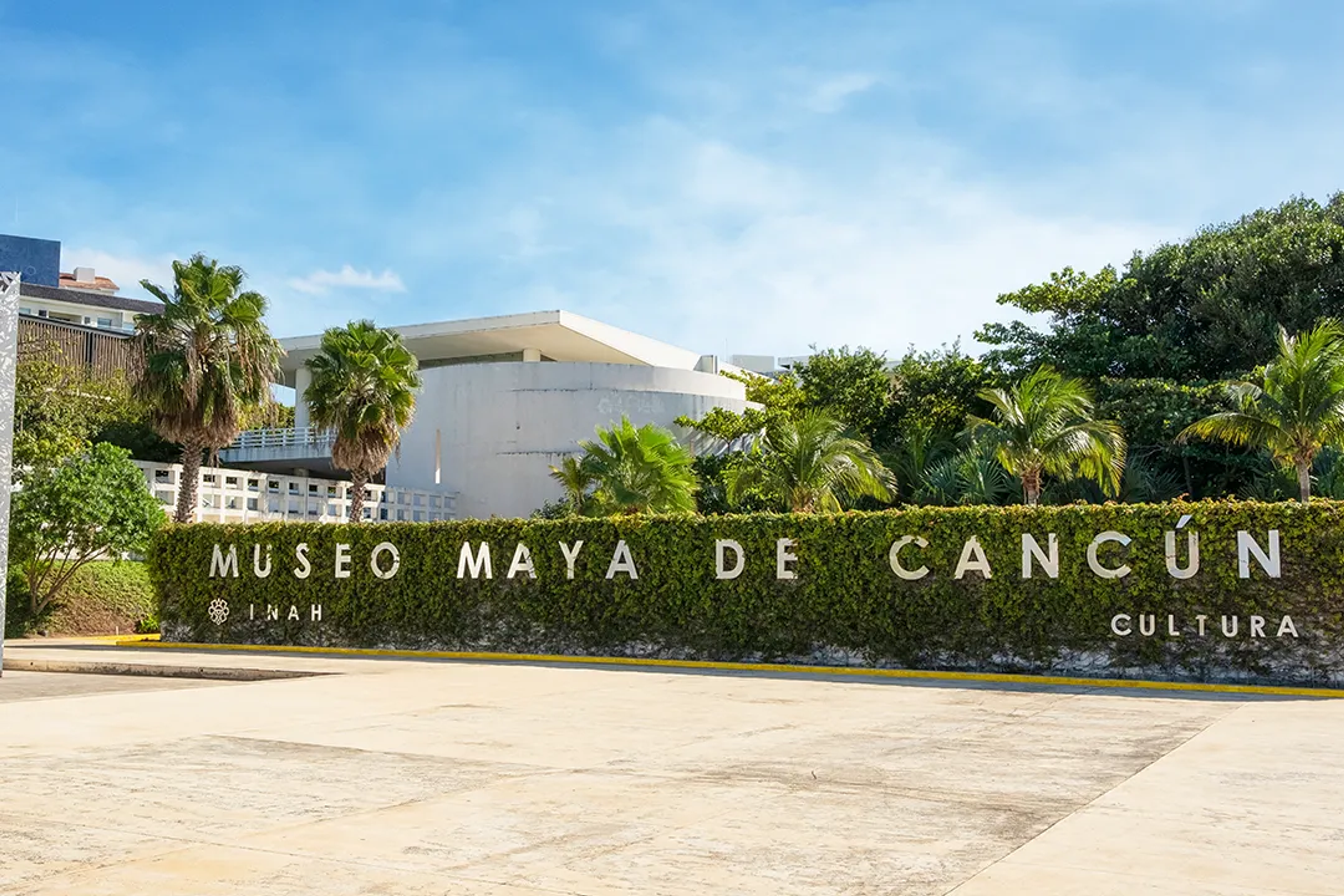
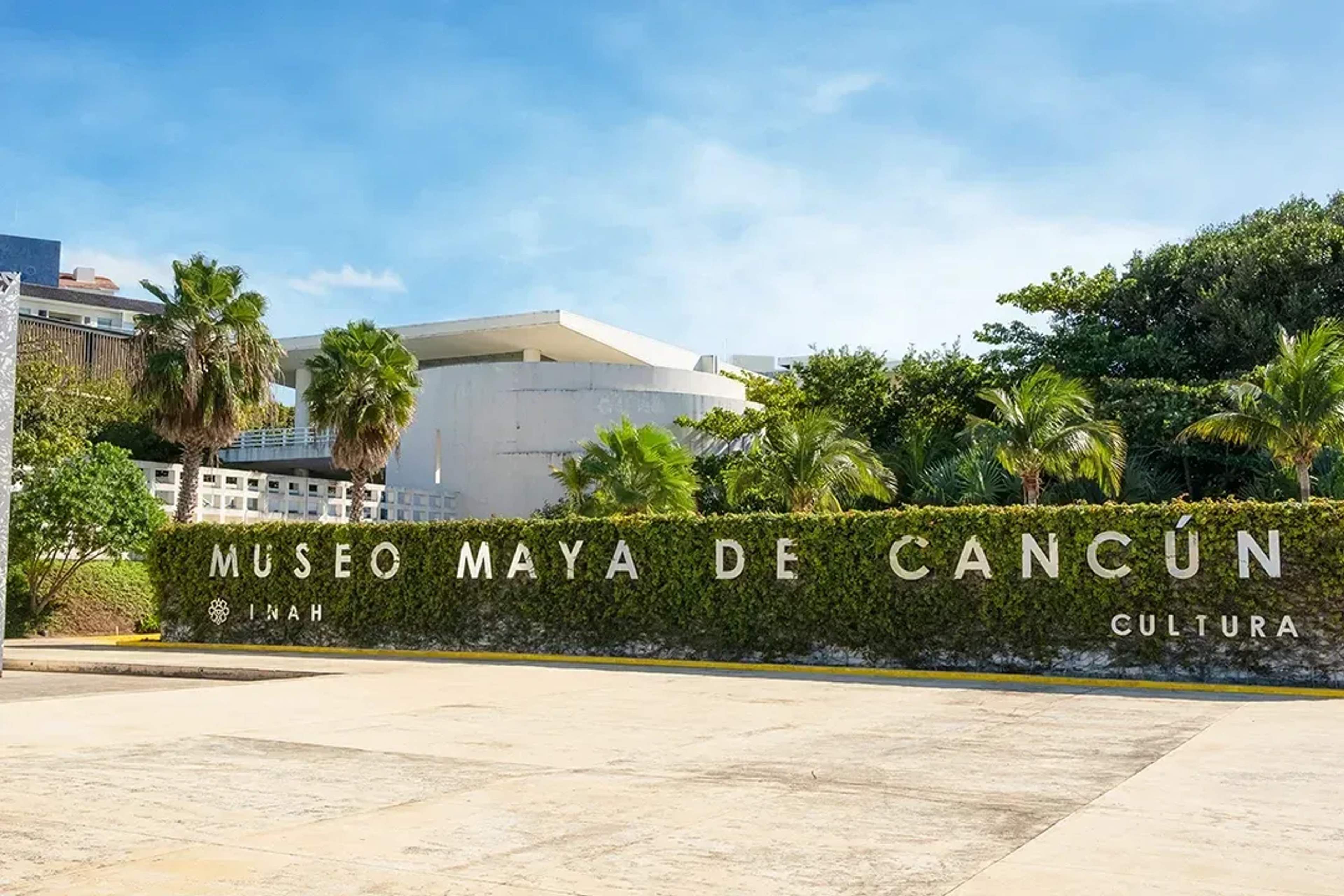
The Museo Maya de Cancun houses 350 artifacts representing decades of systematic archaeological work, administered by INAH. The museum's two permanent halls cover the archaeology of Quintana Roo state and late coastal Maya development, plus broader Maya civilization context.
Notable pieces include 14,000-year-old skeletal remains discovered in Tulum's underwater caves: artifacts offering insight into human presence on the American continent millennia before Mayan civilization emerged. Experience Cancun's culture and history here: it transforms what you'll see at the ruins. Understanding Maya calendar systems before visiting archaeological sites makes the architecture meaningful rather than just photogenic.
The adjacent San Miguelito ruins, a late Maya site (1100-1450 AD), demonstrate how a Maya community lived during this later period.
Experience Isla Mujeres on Foot
Playa Norte stops you in your tracks—turquoise water so impossibly clear it looks retouched, soft white sand, and the kind of calm Caribbean bay that makes you cancel whatever you had planned next. This is where the island earns its reputation, and where most visitors realize they should have booked more time.
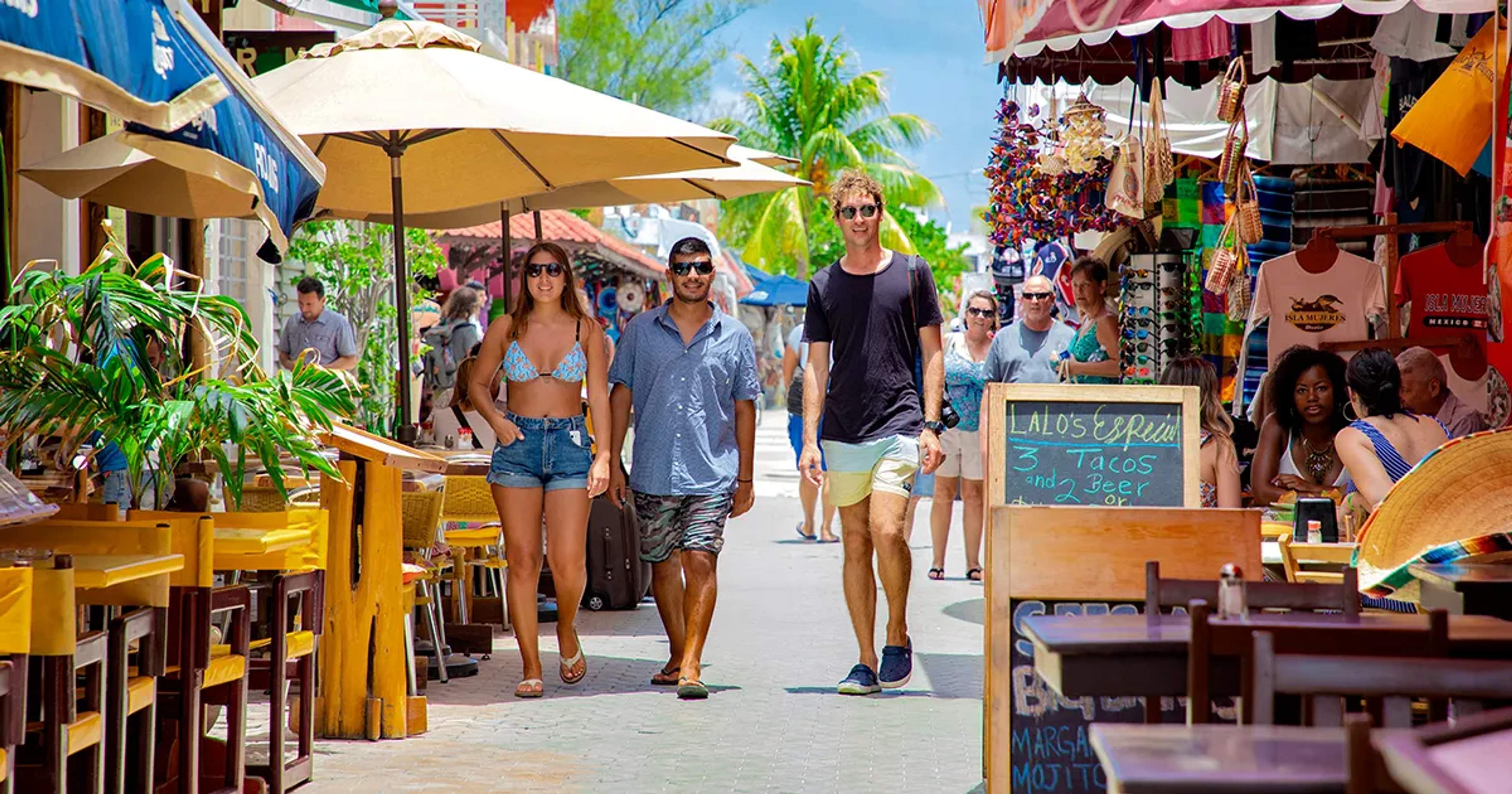
Stroll downtown through colorful streets lined with boutiques, artisan shops, and open-air restaurants where fresh ceviche and grilled catch of the day come straight from that morning's boats. Pause at the iconic Isla Mujeres letters for the photo you'll actually post, then keep wandering until a rooftop bar or hidden courtyard pulls you in.
The local gastronomy alone justifies the trip: seafood prepared simply, cold drinks served slow, and a pace that reminds you this is exactly what vacation should feel like.
Making the Most of Cancun's Cultural Side
Ruins tours book fast: reserve Chichen Itza and Ek Balam early to beat the crowds.
The best cultural moments happen when you leave the beach: whether you're studying astronomical precision at El Castillo, tasting cochinita pibil from street vendors, or examining 14,000-year-old skeletal remains at Museo Maya. The real Yucatán waits just outside the Hotel Zone.