Step into Cozumel's 82-degree waters and you'll see why this island earned its reputation as Mexico's snorkeling capital. The visibility here reaches 150 feet on good days—clear enough to spot a parrotfish from the surface while it grazes 30 feet below. You're swimming above the Mesoamerican Barrier Reef, the second-largest coral reef system in the world, where every dive reveals something new.
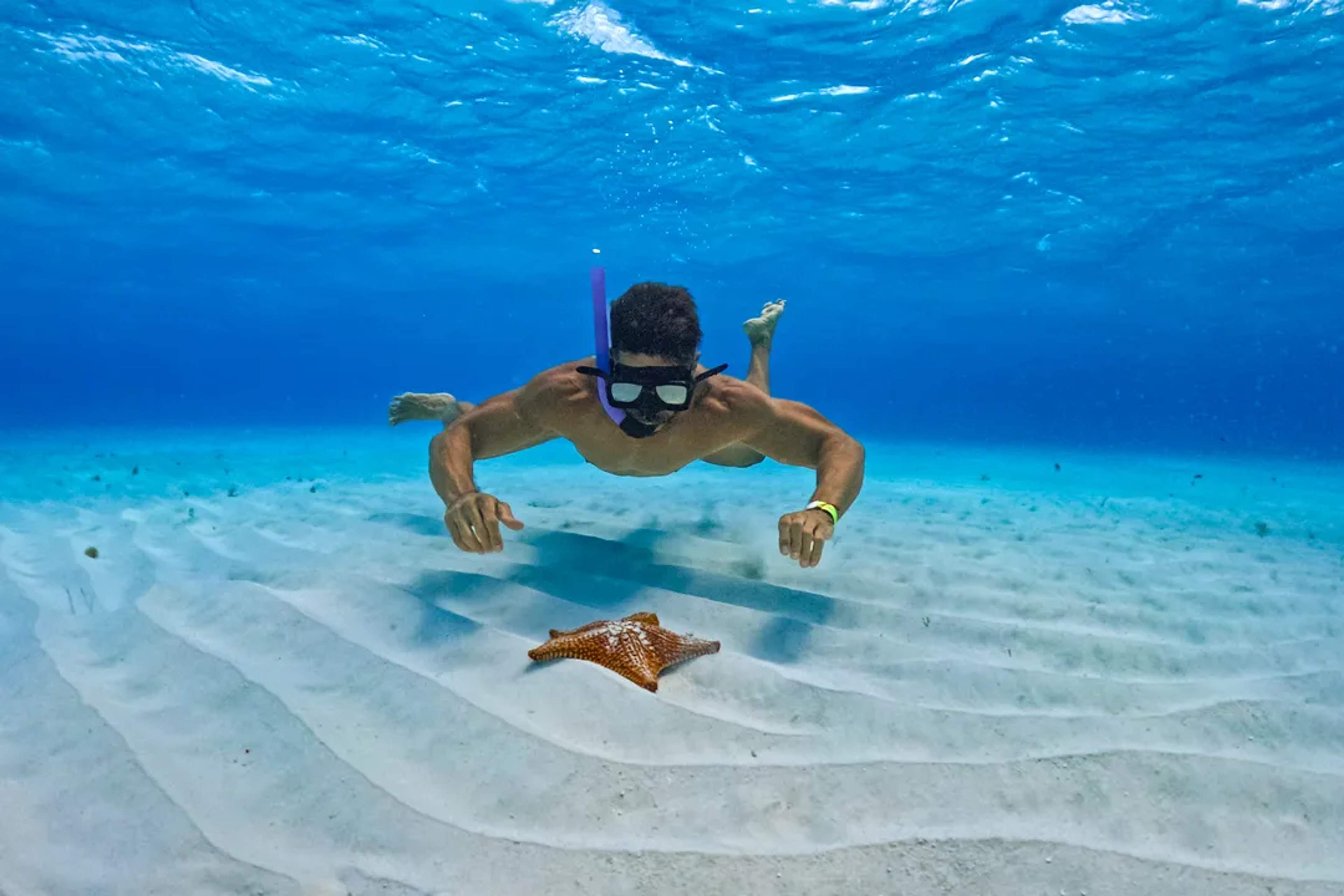
Cozumel's reefs work for every skill level. El Cielo sits in just 3 feet of crystal-clear water where starfish dot the white sand bottom—perfect for first-time snorkelers. The deeper walls of Palancar and Colombia reefs drop to 60 feet, offering advanced snorkelers close encounters with sea turtles and nurse sharks.
Much of Cozumel's most famous underwater ecosystem thrives under the protection of Cozumel National Marine Park, helping keep the coral healthy and the fish populations strong.
Where Is Cozumel, and How Do You Get There?
Where Is Cozumel and How Do You Get There?
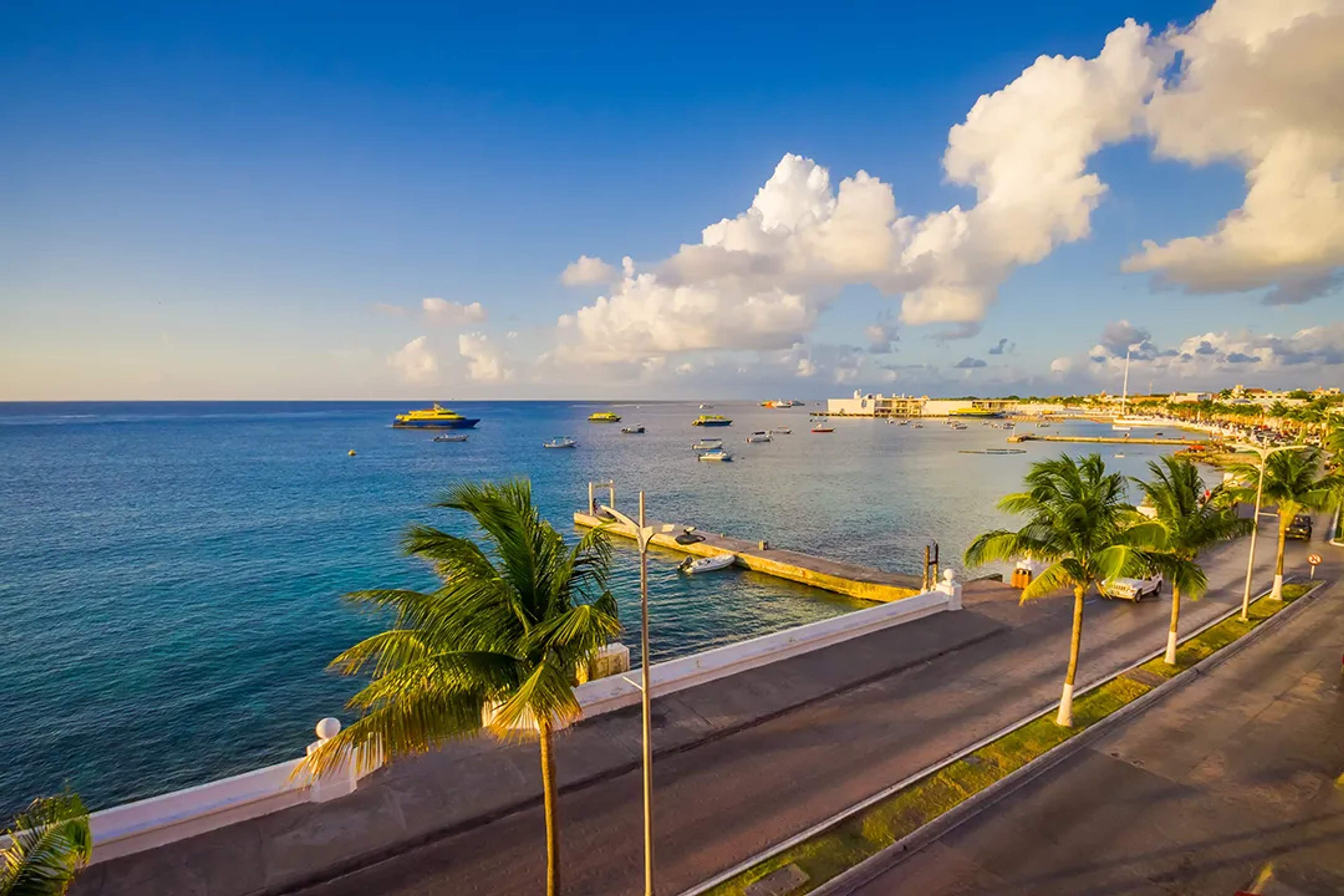
Cozumel lies about 12 miles off Mexico’s Caribbean coast, where the Mesoamerican Reef creates some of the world’s clearest snorkeling waters. The island is directly across from Playa del Carmen, connected by ferries crossing the channel every hour during daylight. From Cancun, it’s roughly a 45-minute drive to the Playa del Carmen ferry terminal, followed by a 30-minute ferry ride to Cozumel.
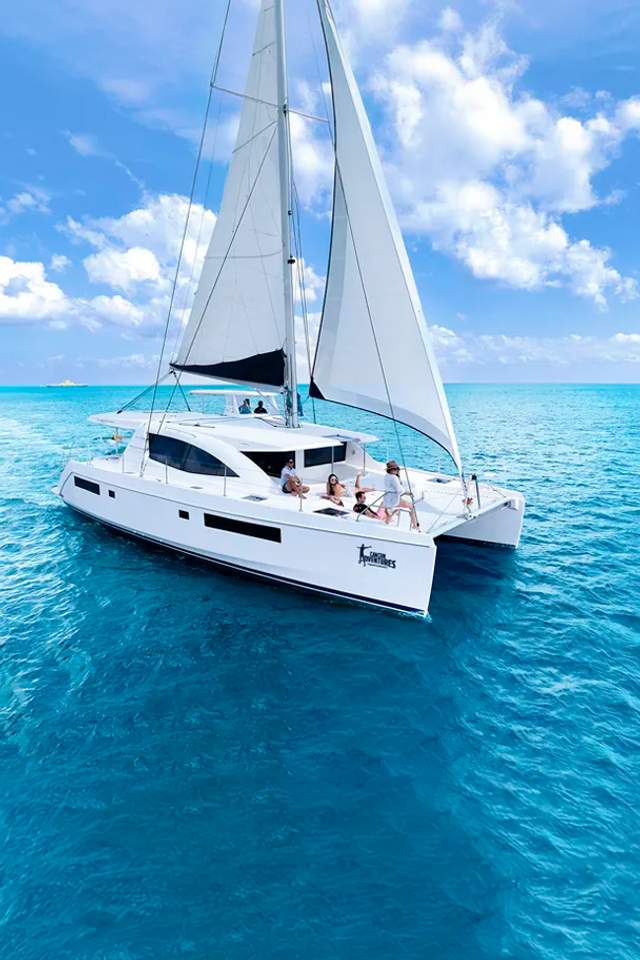
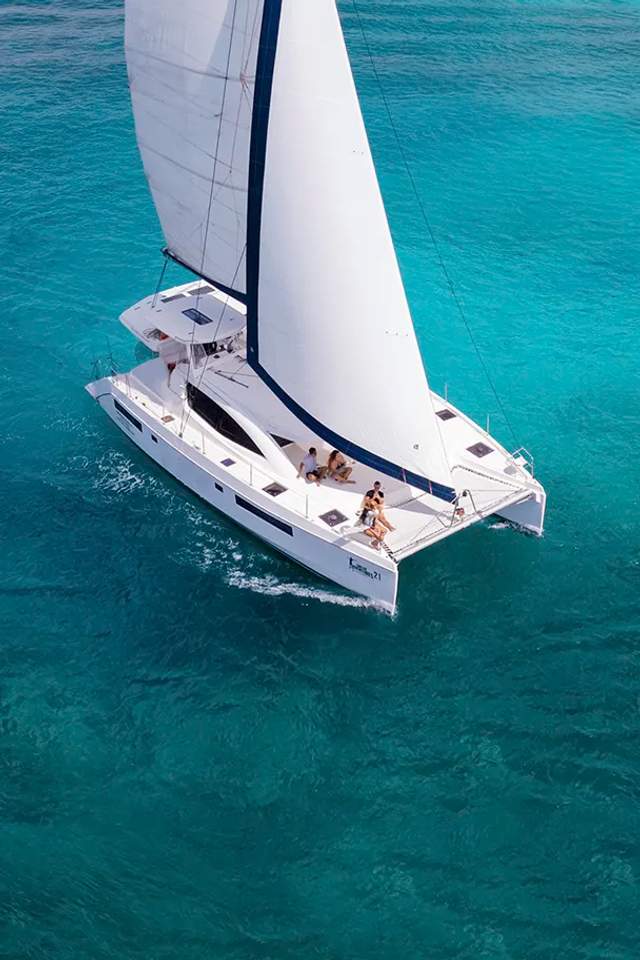
The real adventure begins once you arrive on Cozumel and board the high-speed boat that takes you to the National Marine Park’s prime snorkeling spots. The El Cielo Cozumel Snorkeling takes care of the entire journey—from air-conditioned van pickup at your hotel, ferry transfer to Cozumel, to seamless boarding on the boat and snorkeling in pristine waters. The complete round-trip experience lasts seven to nine hours, depending on your hotel location.
When you’re ready to explore underwater cathedrals beneath some of the clearest waters on earth, trust experienced guides to manage the logistics so you can focus on the unforgettable snorkeling adventure ahead.
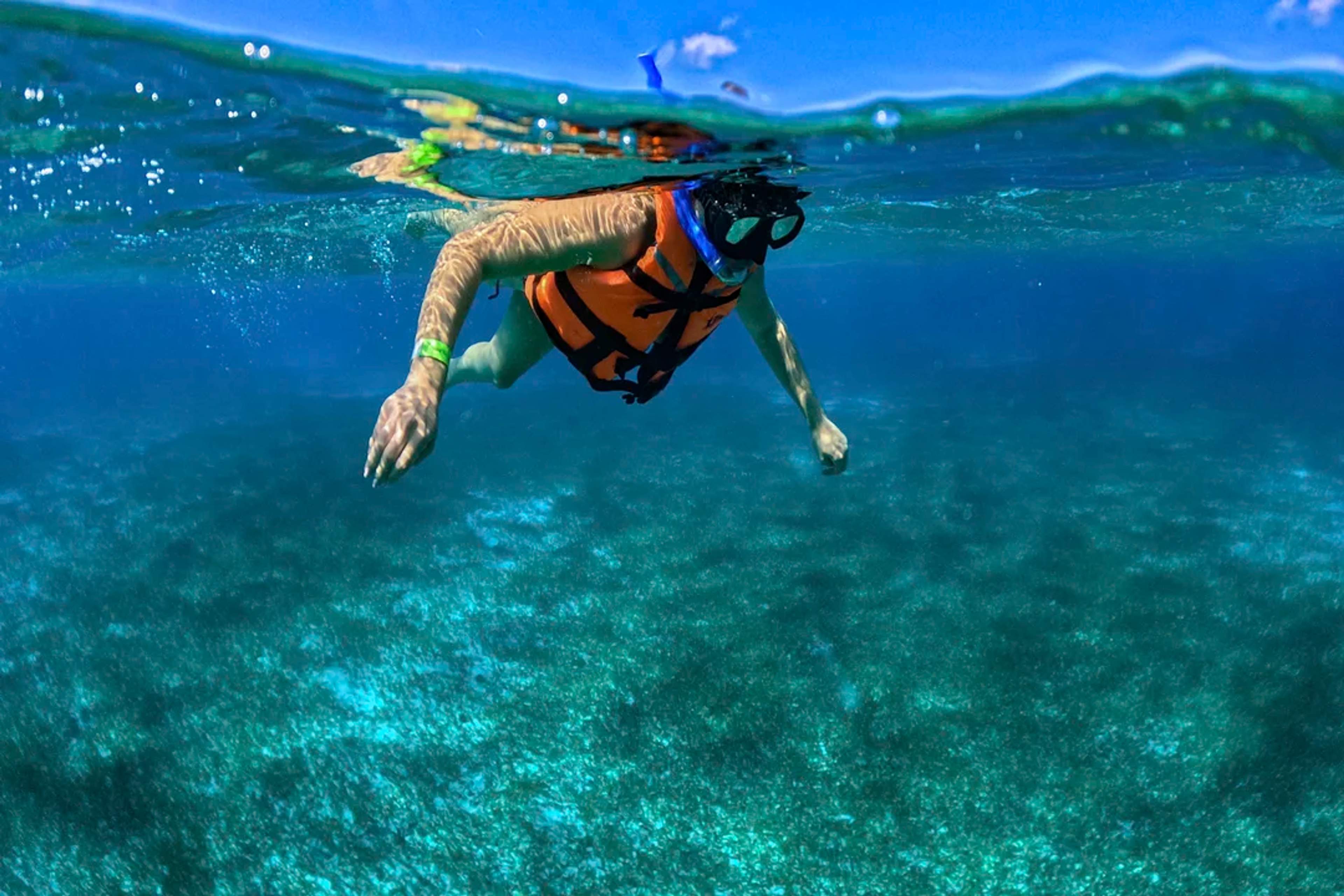
Best Snorkeling Sites in Cozumel
The heart of Cozumel's underwater world lies inside the National Marine Park, a protected network of reefs and sandbanks where three signature sites showcase the island's range—vibrant walls, fish-filled gardens, and a shallow, white-sand paradise.
Palancar Reef
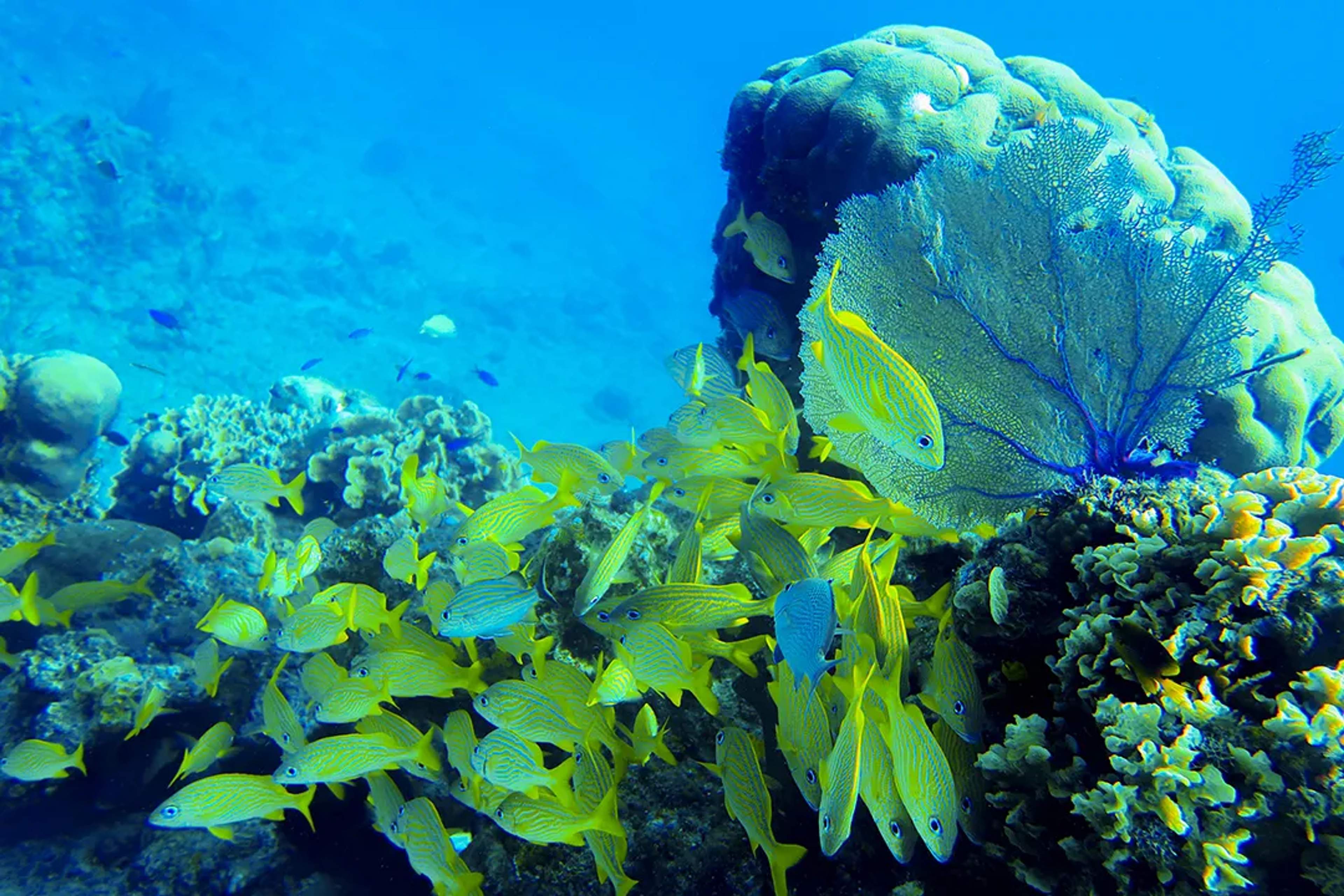
Palancar Reef rises first from the blue. Its sprawling coral formations create a multicolored maze where angelfish flash between sponges and sea fans sway with the gentle surge. Because the reef stretches for several kilometers, guides can choose portions with the calmest conditions that day, letting confident swimmers roam wide while beginners hover over the upper ledges.
Colombia Reef
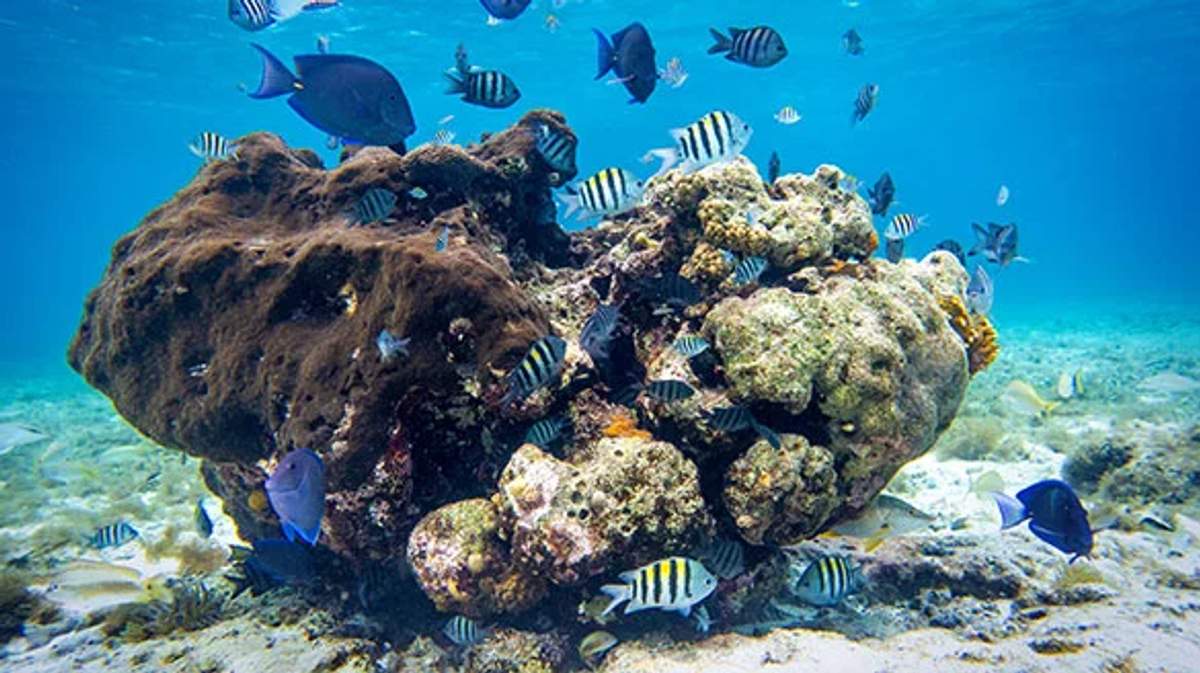
A few minutes south, Colombia Reef doubles down on drama. Massive coral heads tower like underwater skyscrapers, each one buzzing with schools of sergeant majors and the occasional cruising ray. The site's healthy coral and clear water make every fin kick feel like you're gliding through an aquarium, yet the scale remains intimate thanks to small tour groups.
El Cielo
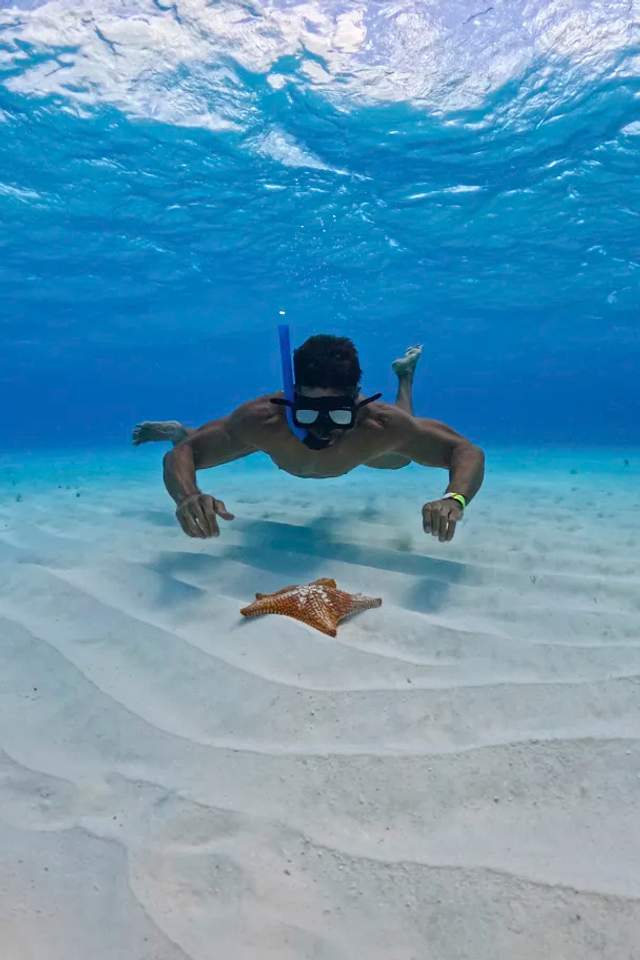
Then the boat glides into El Cielo—"heaven" in Spanish and aptly named. Here the sea turns pastel-blue, only waist-deep, and the sandy bottom is sprinkled with bright orange starfish. The water is so clear you can count every arm without diving, which is why this stop is perfect for first-time snorkelers or families with young adventurers.
These three spots sit within a federally protected zone that bans fishing and limits boat traffic, preserving coral health and guaranteeing the crystal visibility this destination is famous for. You could try to piece together transport and permits on your own, but letting seasoned local guides handle the logistics means you spend more time in the water and less time on the dock—exactly how a reef day should feel.

Water Conditions & Visibility
The island's waters maintain an ideal temperature range of 78-85°F (25-29°C) year-round, warm enough for extended snorkeling without thick wetsuits. The island's position in the Caribbean Current creates exceptional visibility that often exceeds 100 feet, letting you spot marine life from remarkable distances. When you first slip into these crystalline waters, the clarity feels almost supernatural—with Cozumel's exceptional water clarity, divers can observe intricate coral structures at depths around 30 meters, and with close inspection or magnification, individual coral polyps can be documented.
The island's protected coves offer mirror-calm conditions perfect for beginners, while the open reef zones experience gentle currents that actually enhance the snorkeling experience by bringing nutrient-rich water and active marine life. Weather patterns rarely disrupt underwater visibility since brief tropical showers typically pass quickly, leaving the water undisturbed.
Currents here work in your favor. The steady flow along the reef walls carries away sediment and brings fresh oxygen to the coral, creating the pristine conditions that make every snorkeling session feel like swimming through liquid glass. Even during the rainy season, underwater visibility remains consistently excellent, making this one of the most reliable snorkeling destinations in the Caribbean.
Best Time to Snorkel in Cozumel
You can jump into these turquoise waters any day of the year, but April through August is when the Caribbean acts like a swimming pool—warm, glass-calm, and almost windless—so your mask stays clear and your energy goes straight into discovering coral gardens.
From June to October the island shifts into its short rainy season; showers usually arrive in the late afternoon and pass quickly, so morning outings still enjoy postcard visibility. November through March brings cooler breezes that sometimes wrinkle the surface, yet the water remains inviting and the reefs uncrowded once the holiday rush fades.
Early departures are your secret weapon. Sunrise slips the wind, flattens the sea, and keeps you three steps ahead of the cruise-ship crowds that flood the reefs around midday. Seasonal wildlife adds another layer of timing: summer often means more grazing sea turtles, while winter cold fronts draw graceful eagle rays across the sandbanks of El Cielo.
Marine Life You'll Encounter
Drop beneath the surface at Palancar or Colombia reef and massive coral formations tower around you—some brain corals stretch 6 feet across, while staghorn corals create underwater forests in 15-40 feet of water. These reefs form the backbone of the National Marine Park, sheltering juvenile fish and filtering the Caribbean water to that crystal-clear visibility you came for.
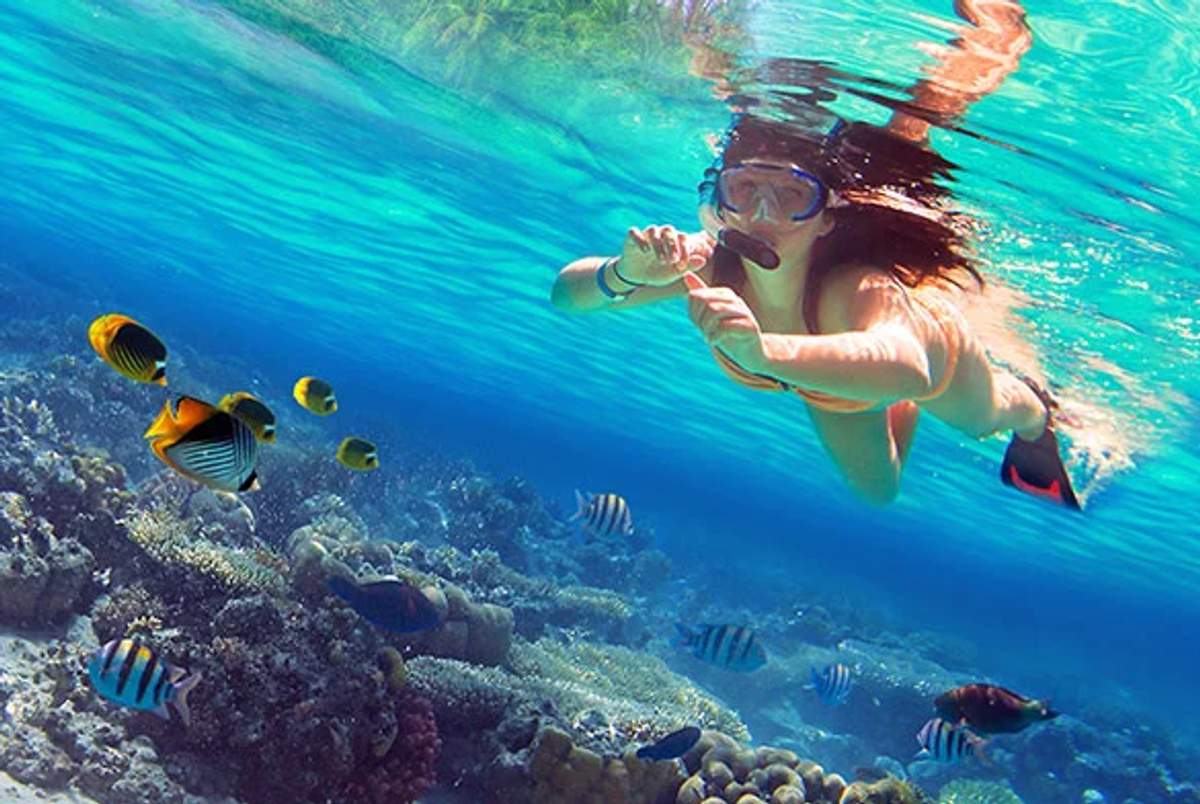
Move through the coral maze and you'll encounter:
- Schools of blue tangs flashing silver
- A solitary barracuda hovering around
- Green sea turtles gliding past
- Parrotfish crunching loudly on coral
- Angelfish darting between brain coral formations
Each species depends on healthy coral, which can grow only centimeters per year—a single careless fin kick can destroy decades of growth.
El Cielo's shallow sandbank tells a different story. In just 3-4 feet of water, thousands of bright orange cushion sea stars dot the white sand bottom like scattered coins. These starfish breathe through their skin, so lifting one for photos can suffocate it within minutes.
Experienced guides know exactly where to position you for the best wildlife viewing while keeping you at safe distances from fragile coral. They'll point out camouflaged creatures you'd miss on your own—like the small octopus hiding in brain coral crevices or the cleaning stations where fish line up for maintenance.
What to Bring and Prepare For
Pack light, pack smart:
- Step onto the speedboat wearing your swimsuit and a long-sleeved rash guard—both protect you and the reef under the intense Caribbean sun
- Slip a hat, sunglasses, and comfortable footwear into your bag
- Add a quick-dry towel and a change of clothes for the ferry ride home
When you book a guided tour, the crew supplies high-quality masks, snorkels, fins, life jackets, and even spare rash guards, so personal gear becomes optional. Professional guides know which equipment works best in these specific conditions—their masks seal properly, their fins provide the right propulsion for the currents, and their snorkels won't fog when you're floating above the reef.
Important considerations:
- Sun-protective clothing is encouraged to guard reef health, as chemical sunscreens can harm coral formations over time
- The coral formations you'll witness have taken decades to grow
- A small dry pouch keeps cash and phone safe when you dive in
- Be honest about your comfort in open water—these currents can surprise even experienced swimmers
Professional bilingual guides adjust gear and provide extra buoyancy when you need it. They know these waters like their backyard—because they grew up here. If you want to experience the underwater world without the logistical hassle, consider booking a tour that handles equipment, transportation, and safety expertise.
Safety Tips for Snorkeling in Cozumel
Cozumel’s crystal-clear waters make snorkeling feel effortless, but the reefs demand respect. Stay safe and protect the marine environment by following these essential tips:
- Stay within marked zones. Always snorkel inside the buoy-marked areas of the Cozumel National Marine Park. Outside these zones, you’ll encounter stronger currents and boat traffic that’s difficult to predict.
- Skip the sunscreen. Wear a long-sleeved rash guard instead of applying sunscreen—conventional lotions harm the coral reefs, which have taken centuries to form.
- Never snorkel alone. Even shallow areas like El Cielo can be deceptively risky. Always go with a buddy or join a guided tour.
- Make yourself visible. Wear bright colors or the life jacket provided by your tour operator so boats can easily spot you in the water.
- Use smart swimming techniques. If you get caught in a current, don’t fight it directly, swim diagonally toward shore.
- Hydrate well. The Caribbean heat can sneak up on you. Drink water before and after your snorkel session to avoid dehydration.
- Respect the reef. This marine environment is sacred to the life it supports—and should feel sacred to you, too.
- Consider a guided tour. If you’re unsure about your swimming skills or want deeper insights into the reef’s ecology, go with a certified bilingual guide. They understand every current, coral formation, and safety protocol that helps keep these waters safe and pristine.
The Hassle-Free Way to Experience Cozumel Snorkeling
Picture stepping off the ferry in Cozumel, then boarding a high-speed boat with the Caribbean spray cooling your face as you head toward the island’s most coveted reefs. The El Cielo Cozumel Snorkeling delivers world-class snorkeling without the hassle of managing gear rentals or tide charts.
Guides who are very familiar with these waters know exactly where to find El Cielo’s starfish-studded sandbank and the towering coral formations of Colombia or Palancar inside the National Marine Park. While you float above neon sponges and cruising sea turtles in 100-foot visibility, they point out hidden moray eels and explain how the park’s protections keep these reefs thriving after decades of conservation.
Mask, fins, life jacket, rash guard, light lunch, and cold drinks await you onboard. Families, first-timers, and seasoned freedivers share the same seamless setup: ferry transfer to Cozumel, hotel pickup on the mainland, bilingual guides who know every reef by heart, and zero logistics to manage. The real adventure begins when you slip beneath the surface—everything else is just transportation.