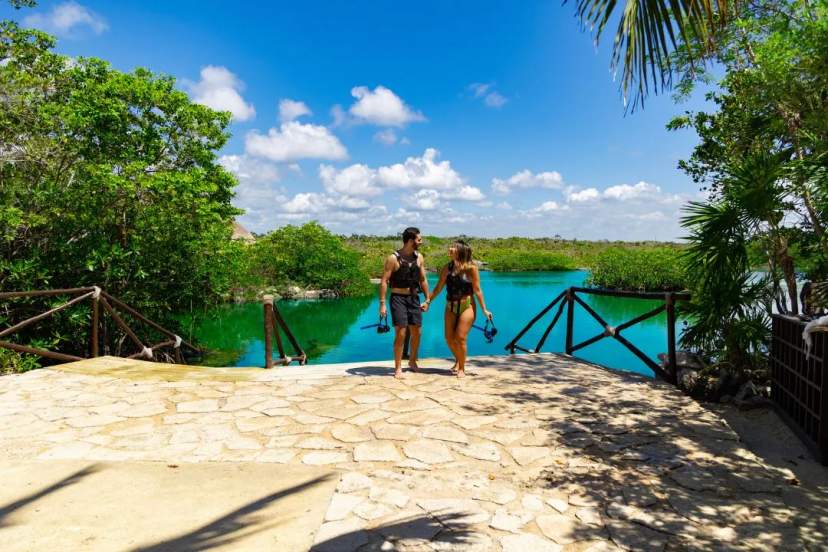
Picture waking to sunlight streaming through your balcony doors in February. You step outside in shorts and a t-shirt to 78°F warmth and decide which cenote you'll swim in first. The Caribbean stretches endlessly blue in front of you, and the only thing on your schedule is whether to snorkel before or after lunch.
That's not vacation fantasy: that's December through March in Cancun. The water temperature hovers around 77°F, refreshing rather than warm, but perfectly swimmable for most travelers. Winter here doesn't mean cold. It means the dry season, when rainfall drops to minimal levels, and you can enjoy outdoor adventures without the oppressive heat.
What Winter Actually Means in Cancun
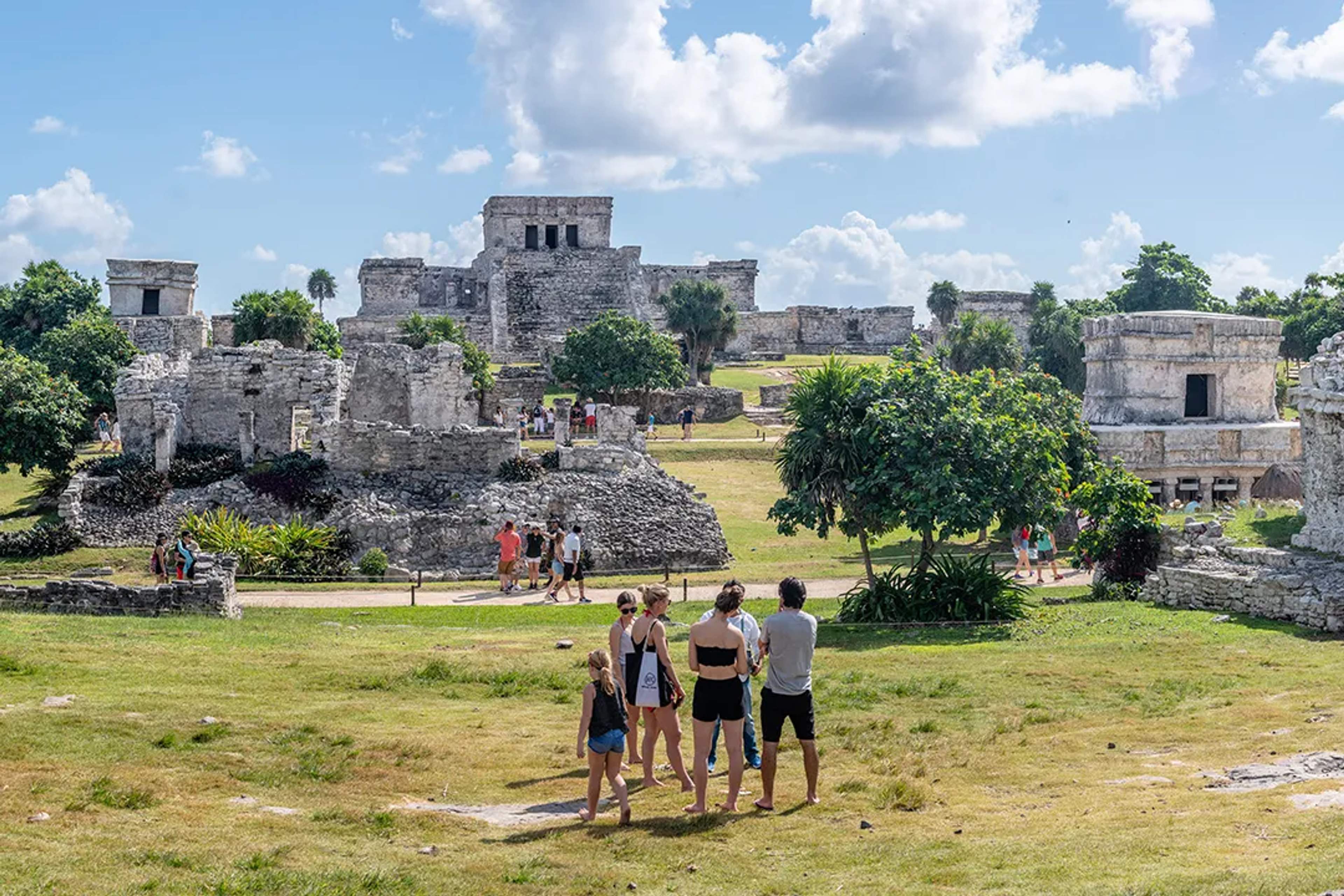
December through March is technically Cancun's "cool season," but for travelers, this means consistent temperatures of 75-85°F (24-29°C) with comfortable humidity levels, significantly lower than summer's stickiness. This dry season sees dramatically less rainfall compared to summer downpours.
Think of it as perfect beach weather that reliably occurs every day for four straight months. Locals and experienced travelers know this is when Cancun truly feels comfortable. You can explore downtown at noon without summer's oppressive heat and humidity.
The Caribbean breeze keeps conditions pleasant, with 77°F (25°C) water temperatures, refreshingly cool yet still perfectly swimmable for most visitors.
Occasional "cold fronts" (locally called nortes) might bring temporary cooler weather and strong northerly winds for a day or two. These occur about 24 times annually between September and May, peaking in November-February, but winter in Cancun remains comfortable for outdoor activities throughout the dry season.
Your Biggest Concern (The Ocean Temperature)
Let's address the question everyone asks: Is the Caribbean too cold for swimming in winter?
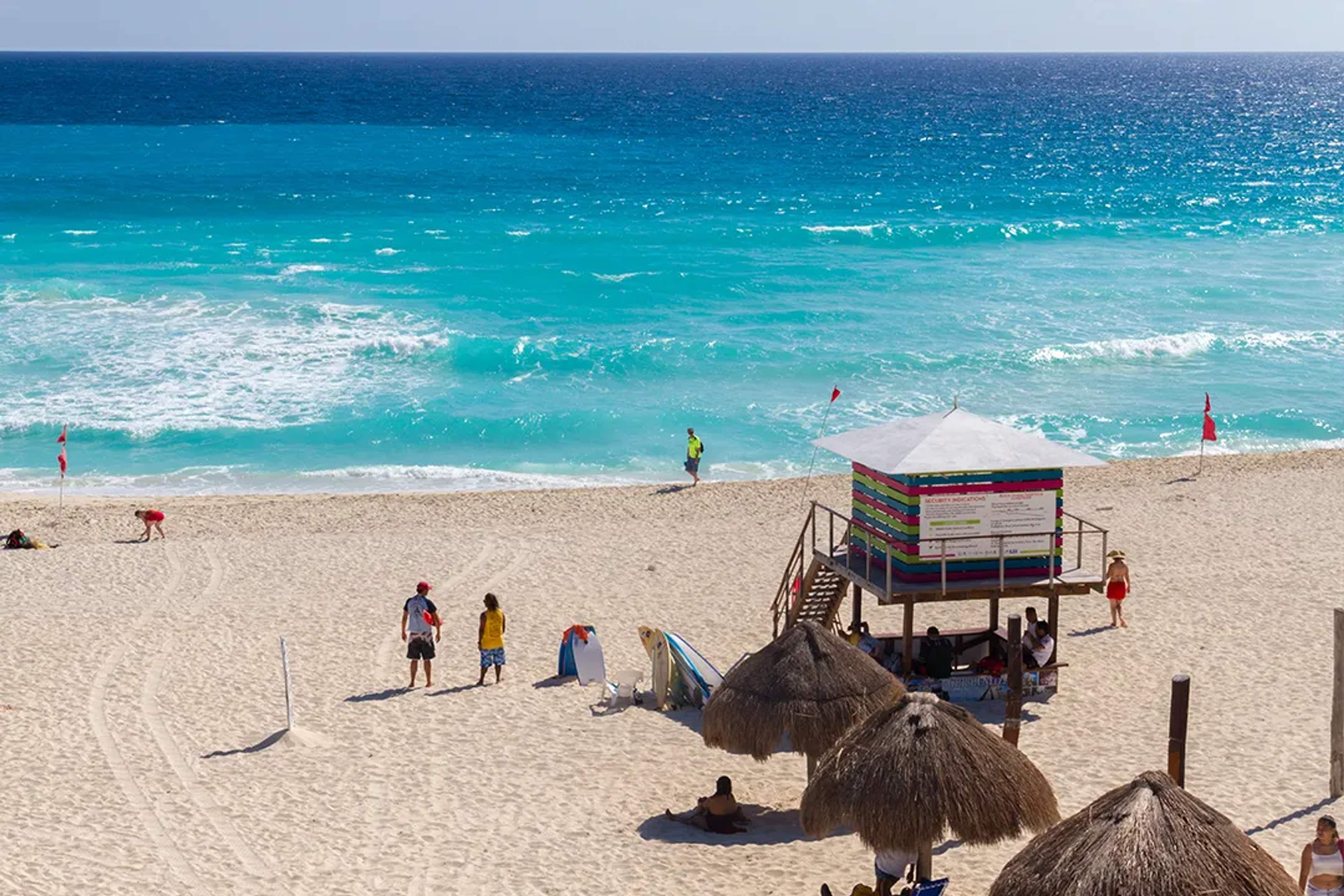
Winter water temperatures average 77°F (25°C) along the coast just south of Cancun. That's cooler than the summer peak, but here's the context most travelers miss. The ideal swimming temperature is 77-82°F (25-28°C), putting winter Caribbean water right at the lower end of ideal.
77°F (25°C) ocean water feels refreshingly warm for most swimmers, though it sits at the lower end of the comfortable swimming range. You won't need a wetsuit for beach swimming or casual snorkeling sessions.
Some travelers may find it cooler than expected compared to peak summer temperatures. For longer cenote swims, the water runs slightly cooler. Cenotes range from approximately 72-79°F (22-26°C) in winter, depending on depth and individual location. Still completely swimmable, just refreshing rather than bath-warm.
Why Locals Prefer These Months
Locals who've lived here year-round prefer winter for actually being outside. The difference isn't temperature as much as humidity and reduced rainfall. Winter brings drier conditions, creating more comfortable conditions for outdoor activities.
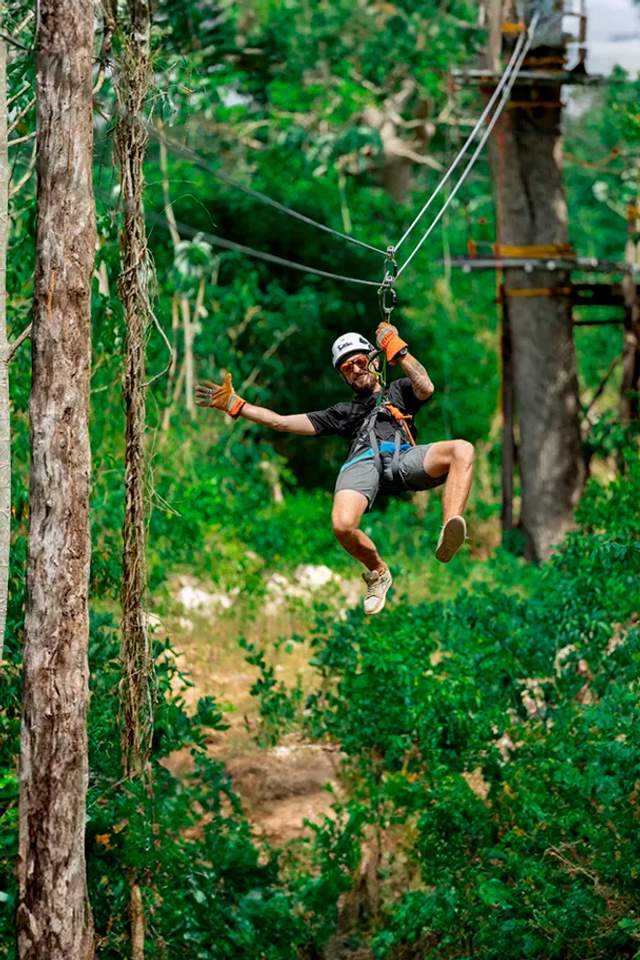
Lower humidity transforms jungle adventures from sweaty endurance tests into genuinely pleasant experiences. Winter's dry season makes activities like hiking to cenotes, discovering archaeological sites, or ziplining through the canopy considerably more enjoyable.
The dry season brings steadier conditions with reduced rainfall compared to the wetter months. While occasional nortes can bring strong northerly winds and temporary cooler weather from November through February, these events are manageable.
You'll still want sun-protective clothing, but the dry season typically means fewer insects. Midday activities become possible again. During summer, the heat and humidity make outdoor midday activities challenging for many travelers. In winter, you can keep adventuring straight through the day without needing to retreat indoors.
What Changes from Your Summer Cancun Trip
If you've visited during summer, winter Cancun will feel familiar but noticeably different.
Daylight hours shorten slightly in winter, giving you less evening beach time but cooler temperatures for sunset activities. Those nortes we mentioned bring temporary changes when they blow through.
Winds pick up, seas get choppier for a day or two, and temperatures might drop. These fronts occur periodically throughout the season, with peak intensity in November-February. You'll notice more fellow travelers around. January brings peak crowds, particularly from visitors seeking warmer destinations.
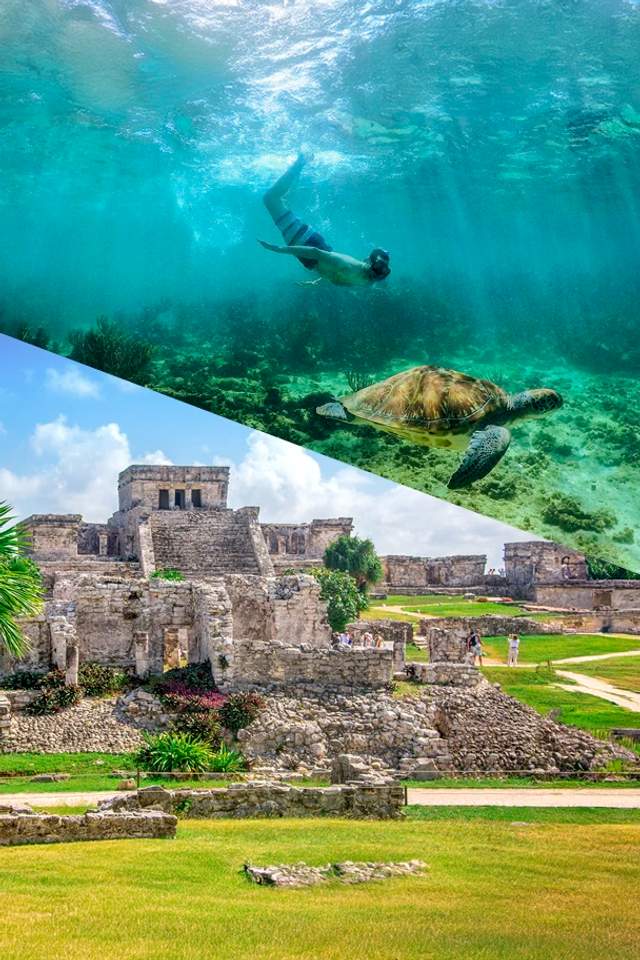
The positives outweigh any minor inconveniences. Calmer seas mean smoother boat rides to Isla Mujeres. Winter temperatures and drier weather make discovering Mayan ruins like Tulum and Chichen Itzá genuinely enjoyable instead of exhausting. You can spend full days at adventure parks with the dry season's comfortable conditions.
The Real Winter Advantage Nobody Talks About
Here's what surprised us after years of running winter adventures: the comfortable weather enables experiences that simply don't work in summer.
Winter in Cancun is actually the dry season with reduced rainfall and lower humidity compared to summer. These seasonal advantages make experiences objectively better:
- Bird watching becomes extraordinary with at least 26 migratory species wintering in the Yucatan Peninsula
- Jungle adventure becomes less buggy and more accessible during the dry season
- All-day adventures become feasible with comfortable conditions throughout
Together, these winter advantages create the perfect environment for authentic exploration, whether you're immersing yourself in local culture or discovering the natural wonders of the Yucatan Peninsula.
Planning Around North American Holidays
Let's be honest about when Cancun gets crowded.
January is peak season, bringing resort prices to their highest and beaches to their busiest. Late December through early January creates the first surge with holiday travelers from around the world.
February offers the best opportunity for avoiding crowds, with noticeably fewer visitors than in January. The sweet spot? Early to mid-February shows notably fewer visitors compared to January.
You'll find better availability, more relaxed atmospheres, and easier booking.
March sees another increase as international travelers take advantage of spring holidays, with peak periods occurring mid-month. Early to mid-February offers the best window for avoiding crowds, with significantly fewer visitors than in January.
Early March also provides quieter conditions before holiday peaks mid-month.
If you have flexibility in your travel dates, avoiding the entire month of January and mid-March makes a significant difference in your experience.
What to Pack (Forget What You Heard)
Your packing list should reflect what you'll actually experience, not what "winter vacation" typically means.
Swimwear and sun protection form your essential gear:
- At least two swimsuits, so one can dry while you wear the other
- Lightweight, moisture-wicking swimwear in quick-dry fabrics rather than cotton
- Multiple sun-protective shirts with UPF rating for consistent protection
- Wide-brimmed hats to shield your face and neck from the Caribbean sun
- UV-blocking sunglasses for reflected water and sand glare
- Neck gaiters to protect exposed skin during adventures
These sun-protective elements provide comprehensive UV defense while maintaining comfort in tropical conditions.
For daily wear, pack lightweight moisture-wicking shirts and shorts in synthetic fabrics or merino wool; avoid cotton completely as it retains moisture and stays uncomfortably damp. Include one pair of lightweight pants and a long-sleeve shirt for air-conditioned restaurants and evening activities, as Mexican establishments often blast AC year-round.
This simple layering system transitions perfectly between outdoor adventures and indoor spaces. Complete your packing with comfortable water shoes that offer good grip for cenotes, boat docks, and rocky beaches. Flip-flops work for pools but lack adequate support for more active experiences.
Making the Most of Winter Weather
Winter's dry season opens experiences that summer heat renders uncomfortable. With reduced rainfall and pleasant temperatures, all-day jungle adventures become enjoyable rather than endurance tests. Explore cenotes, hike trails, and learn about ecosystems without constantly seeking shade.
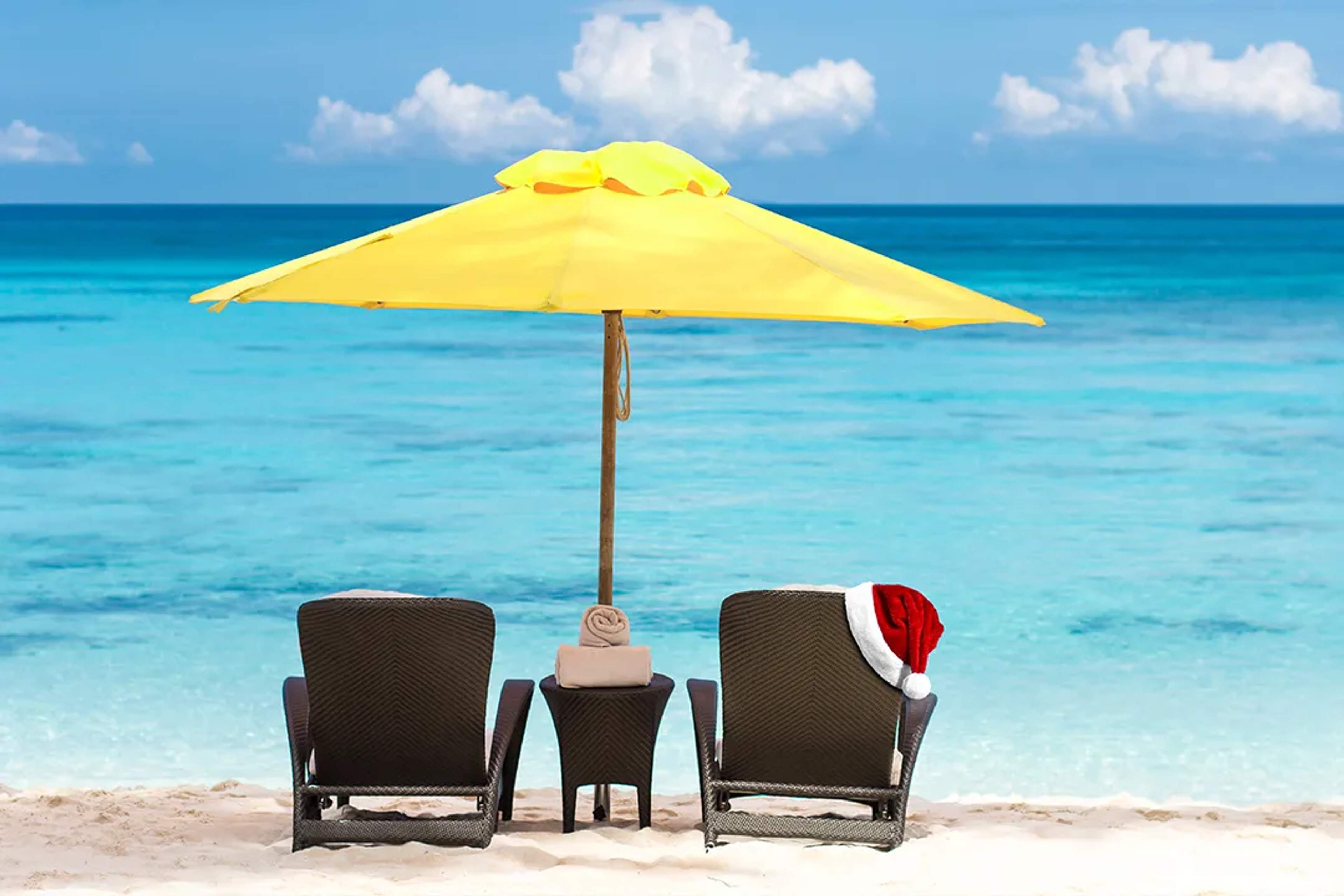
The Caribbean water temperature at approximately 77°F (25°C) remains refreshingly swimmable for most travelers. This makes afternoon beach time perfect for swimming, reading, or walking along the shore.
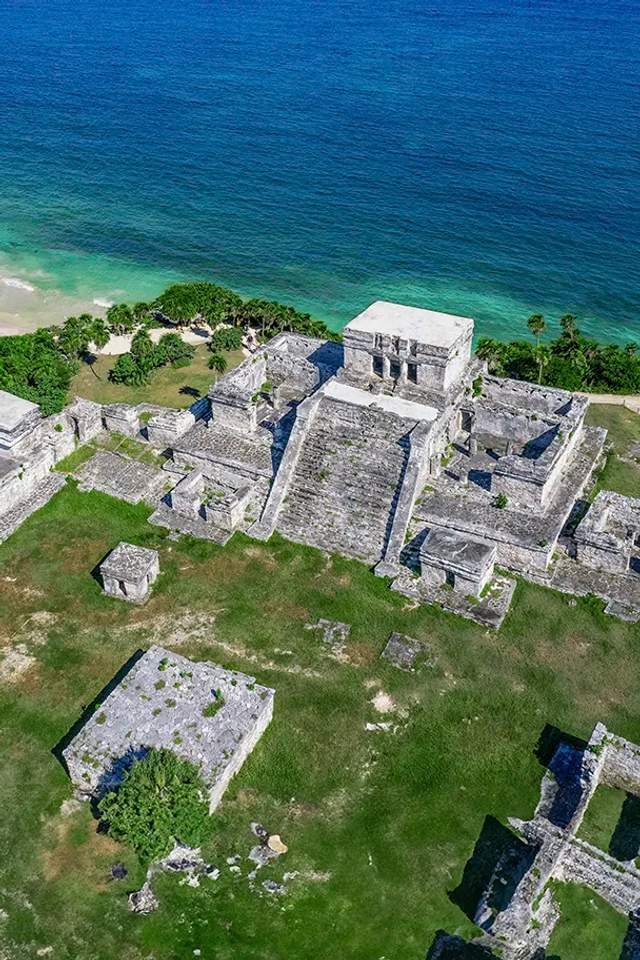
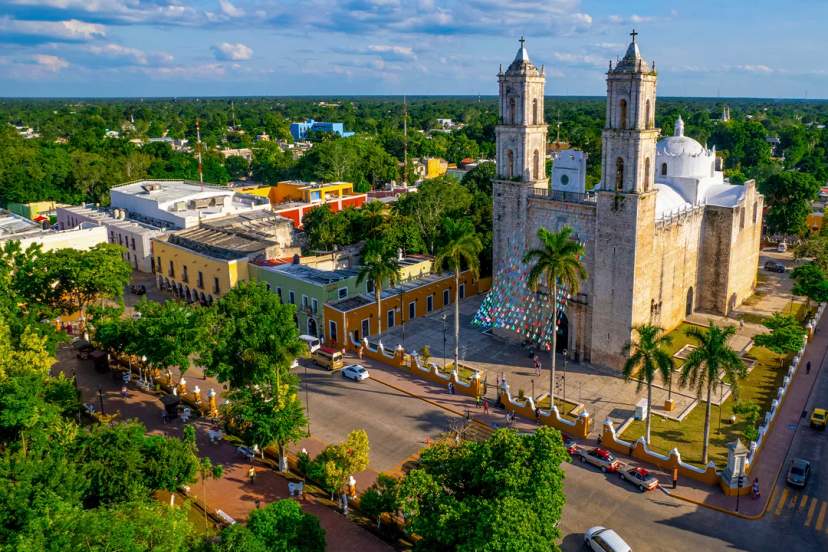
Mayan ruins like Tulum, Chichen Itzá or Coba transform from sweltering stone mazes into fascinating archaeological sites. Early morning arrivals avoid both heat and crowds, allowing you to absorb their cultural significance rather than just survive the visit.
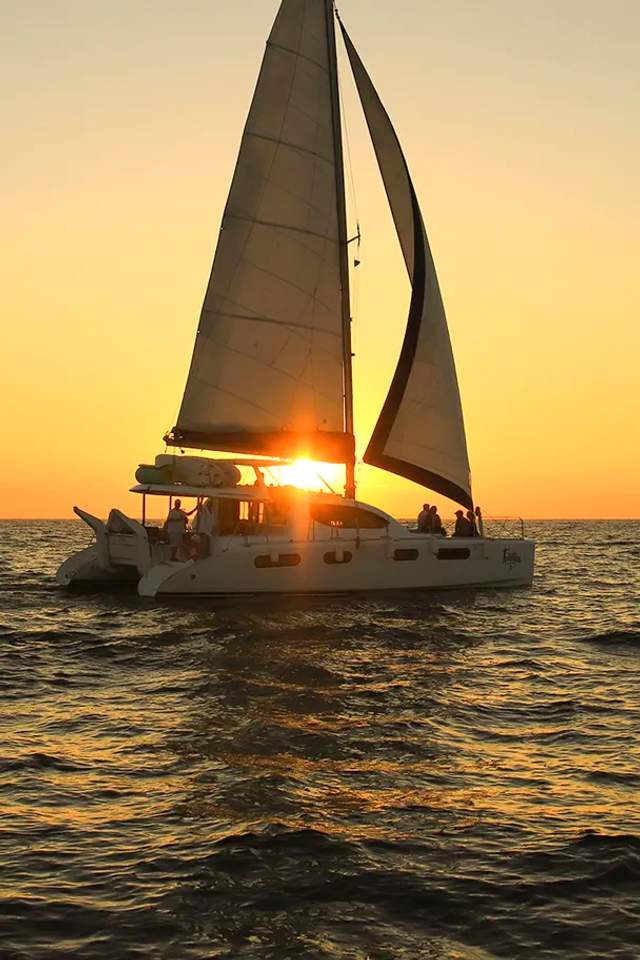
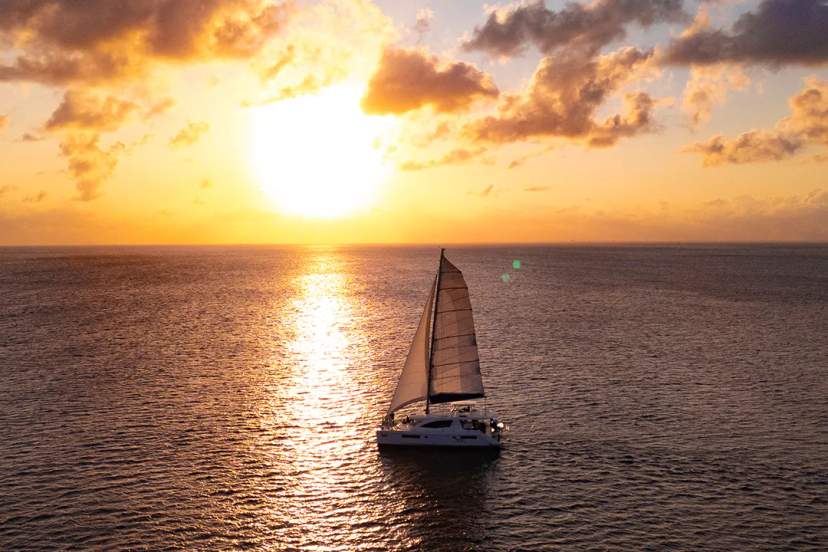
Sunset sailing benefits from the dry season's calmer conditions and cooling breezes. Be prepared for occasional nortes (strong northerly wind events), which can bring temporary rougher conditions.
Downtown Cancun's markets and neighborhoods become genuinely accessible for cultural exploration. Walking through Mercado 28 or along Avenida Tulum feels like discovering authentic Mexico, and winter weather makes those walks pleasant rather than sweaty.

Your Winter Adventure Awaits in Cancun
December through March delivers the perfect Cancun experience for adventure-seekers. Imagine deciding between morning cenote swims or afternoon snorkeling, fitting jungle hikes and sunset sails into the same perfect day.
This isn't about escaping cold weather; it's about experiencing Mexico's most beautiful destination during its prime season. The dry season transforms activities from exhausting to exhilarating, with comfortable temperatures and minimal rainfall creating opportunities that simply don't exist in summer.
Whether you're planning cenote adventures, archaeological explorations, or wildlife spotting, this four-month window provides ideal conditions for truly immersive experiences.
Don't wait. Book your winter Cancun adventure now and experience the Caribbean at its absolute best.